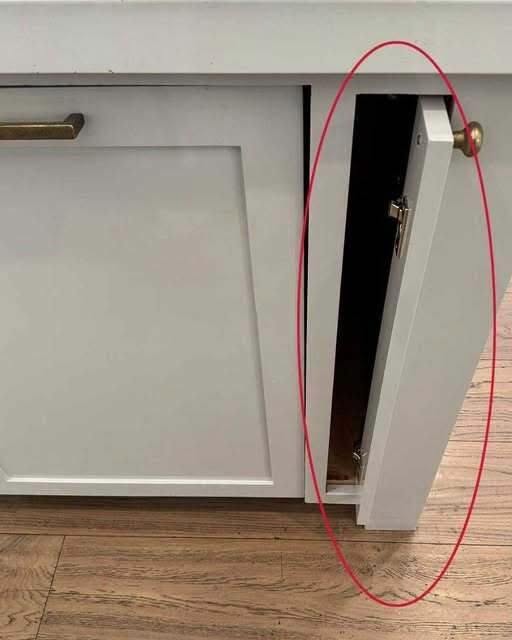
Ever come across a mysterious household object and had no idea what it was for? Discover why everyday objects can be surprisingly difficult to identify and how to figure out their original purpose.
Have you ever found a strange object in a drawer, toolbox, kitchen cabinet, or old house and immediately thought:
“What on earth is this used for?”
You’re not alone.
Some everyday objects are so specialized—or so old-fashioned—that their original purpose isn’t immediately obvious. Once their context disappears, even a perfectly ordinary tool can look like a complete mystery.
Why Are These Objects So Difficult to Identify?
The biggest problem is that we often see an object without the environment it was designed for.
A small metal hook could be:
- A kitchen tool
- A sewing accessory
- A hardware component
- A decorative item
- Part of a larger device
Without knowing where it came from, identifying it can be surprisingly difficult.
Old Objects Can Be Especially Confusing
Many older household tools were designed for tasks that are now automated.
People once used specialized tools for things that today can be done with:
- Electric appliances
- Disposable products
- Digital devices
- Modern kitchen equipment
- Specialized machines
As technology changes, the objects associated with older routines gradually disappear from everyday life.
The Shape Can Provide Clues
When trying to identify a mysterious object, look closely at its construction.
Ask yourself:
Does it have a handle?
This may suggest that it was designed to be held or operated manually.
Does it have holes, hooks, grooves, or teeth?
These features may indicate that it interacted with another object.
Is it magnetic or metallic?
The material can sometimes reveal what environment it was designed for.
Does it have moving parts?
Hinges, springs, wheels, or sliding pieces can provide important clues.
Look for Markings
Turn the object over and inspect it carefully.
You may find:
- A manufacturer’s name
- A logo
- A model number
- A patent number
- Letters or initials
- A country of manufacture
Even a few characters can make identification much easier.
If the object is old, searching the manufacturer’s name together with a description of the object may reveal catalogs, patents, or vintage advertisements.
Take a Photograph From Several Angles
One photograph isn’t always enough.
If you’re trying to identify an unfamiliar object, take pictures of:
- The front
- The back
- The sides
- Any moving parts
- Any markings or numbers
Also include something familiar for scale, such as a coin or ruler.
This can make visual identification much easier.
Don’t Assume It’s Completely Useless
A mysterious object may look obsolete, but many old tools were extremely practical.
Some were designed to:
- Open containers
- Repair clothing
- Prepare food
- Maintain machinery
- Clean household items
- Perform specialized trades
The fact that we don’t recognize the purpose doesn’t mean the object wasn’t useful.
The Fun of the Mystery
Sometimes the most interesting part of discovering an unfamiliar object isn’t simply finding the answer.
It’s realizing how much ordinary life has changed.
A tool that once seemed completely obvious to someone’s grandparents may be almost impossible for a younger generation to identify.
So the next time you find a strange object and think, “What is this used for?”, don’t throw it away immediately.
Look for markings, study its shape, photograph it from different angles, and investigate its history.
You might be holding a piece of everyday history that has simply outlived the routine it was designed for.