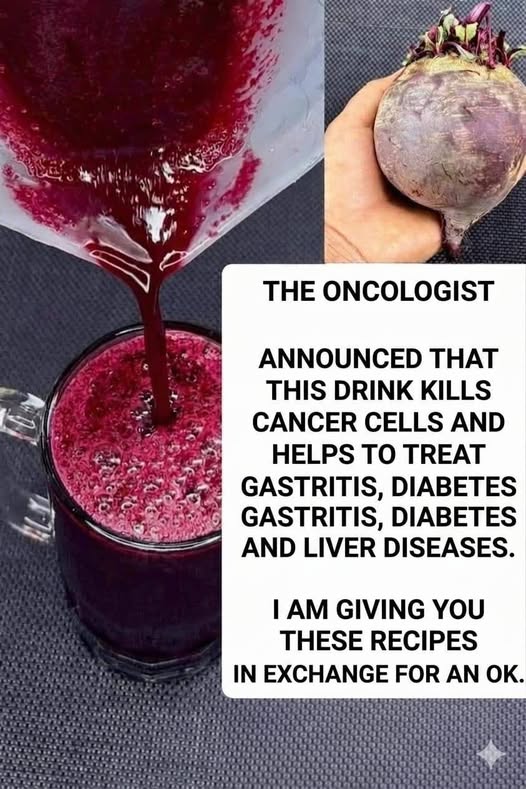
Beetroot juice contains antioxidants and naturally occurring nitrates, but claims that it can kill cancer cells in 42 days are not supported by strong clinical evidence. Learn what research actually shows.
ALERT! Does Beetroot Juice Kill Cancer Cells in 42 Days?
Beetroot juice has become popular because it contains nitrates, betalains, antioxidants, folate, and other plant compounds. Some laboratory and animal studies have investigated whether compounds found in beetroot may have effects on cancer-related processes.
But there is an important distinction between promising laboratory research and proven cancer treatment.
The “42 Days” Claim Isn’t Established
There is no reliable clinical evidence showing that drinking beetroot juice for exactly 42 days kills cancer cells in humans.
Cancer is not a single disease. Different cancers have different causes, biological characteristics, and responses to treatment. A result observed in cells in a laboratory cannot automatically be translated into an effective treatment for people.
Why Is Beetroot Being Studied?
Beetroot contains compounds such as betalains, which have antioxidant and anti-inflammatory properties. Researchers are interested in whether these compounds might influence oxidative stress, inflammation, or other cellular pathways involved in disease.
These findings are scientifically interesting, but they don’t establish beetroot juice as a cancer cure.
Can You Drink Beetroot Juice During Cancer Treatment?
For many people, beetroot can be part of a balanced diet. However, someone undergoing cancer treatment should discuss dietary changes and supplements with their healthcare team.
Beetroot juice can also affect urine and stool color, making them appear reddish or pink. This is generally harmless, but unexplained blood in urine or stool should always be medically evaluated rather than attributed automatically to beetroot.
Don’t Replace Proven Treatment
The biggest concern with claims such as “beetroot juice kills cancer in 42 days” is that someone might delay or stop evidence-based treatment.
Cancer treatments—including surgery, chemotherapy, radiation therapy, targeted therapies, immunotherapy, and hormone therapy—are selected according to the specific cancer and individual patient.
The Bottom Line
Beetroot juice can be a nutritious food, but it has not been proven to kill cancer cells in humans within 42 days. Research into beetroot’s potentially beneficial compounds is ongoing, and it should be viewed as an addition to a healthy diet—not a replacement for medical cancer treatment.