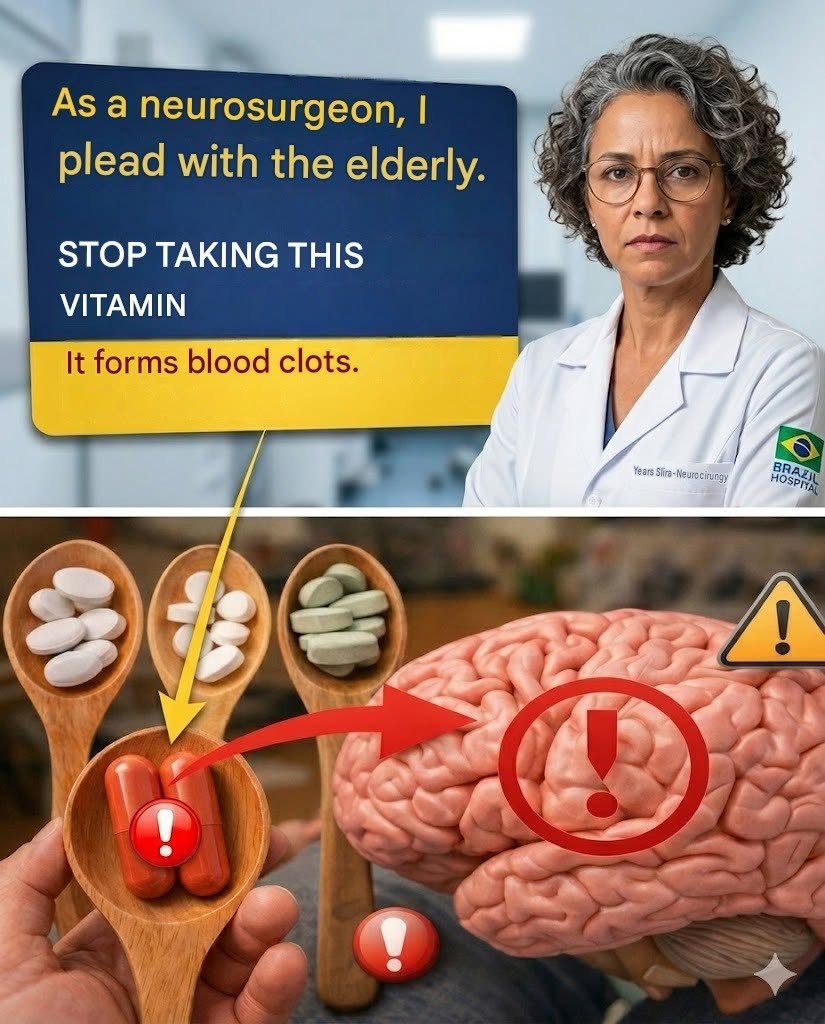
Can vitamin E increase stroke risk? Learn what research actually shows about vitamin E supplements, hemorrhagic stroke, ischemic stroke, dosage, and who should be cautious. The internet is full of headlines warning that an ordinary vitamin could suddenly increase your risk of stroke. One particularly alarming claim says that vitamin E may increase the risk of stroke “overnight.” That wording makes for a powerful headline—but it is not an accurate description of the science.
Research has raised concerns about vitamin E supplementation and hemorrhagic stroke, but there is no evidence that taking vitamin E causes your stroke risk to suddenly jump overnight. The evidence is more complicated, and newer research has also produced mixed results. So what should you actually know before taking a vitamin E supplement?
What Is Vitamin E?
Vitamin E is a group of fat-soluble compounds with antioxidant properties. It is found naturally in foods such as:
- Nuts and seeds
- Vegetable oils
- Spinach and other green vegetables
- Avocados
- Some fortified foods
Vitamin E plays important roles in protecting cells from oxidative damage and supporting normal immune function.
For most people, obtaining vitamin E from a balanced diet is preferable to taking high-dose supplements without a specific medical reason.
Why Did Scientists Become Concerned About Vitamin E and Stroke?
The concern comes largely from studies examining vitamin E supplements, rather than ordinary amounts of vitamin E obtained from food.
A 2010 meta-analysis published in the BMJ combined nine randomized trials involving 118,765 participants.
The researchers found no significant difference in total stroke risk. However, when they separated strokes into different types, they found that vitamin E was associated with:
- A 22% higher relative risk of hemorrhagic stroke
- A 10% lower relative risk of ischemic stroke
The researchers estimated that there was approximately one additional hemorrhagic stroke for every 1,250 people taking vitamin E, while approximately one ischemic stroke was prevented for every 476 people treated.
That sounds alarming—but there is an important qualification.
Not All Strokes Are the Same
The word “stroke” describes more than one type of medical event.
Ischemic Stroke
An ischemic stroke occurs when a blood vessel supplying part of the brain becomes blocked, usually by a blood clot or buildup inside an artery.
This is the most common type of stroke.
Hemorrhagic Stroke
A hemorrhagic stroke occurs when a blood vessel in or around the brain ruptures and causes bleeding.
It is less common than ischemic stroke but can be extremely serious.
The earlier vitamin E research suggested that the supplement might have different effects on these two types of stroke.
That is why simply saying “vitamin E increases stroke risk” is misleading.
Does Vitamin E Actually Increase Stroke Risk?
This is where the story becomes more interesting.
A later systematic review and meta-analysis published in 2021 included 18 randomized studies involving 148,016 participants.
Unlike the earlier analysis, it found no statistically significant increase in total stroke, fatal stroke, or non-fatal stroke associated with vitamin E supplementation.
It found a small reduction in ischemic stroke risk, but the researchers emphasized that the available evidence was not strong enough to provide a definitive answer about vitamin E’s effects on stroke.
In particular, the authors noted that the evidence was insufficient to establish that vitamin E increases hemorrhagic stroke risk.
So the scientifically honest conclusion is:
There has been a signal of increased hemorrhagic stroke risk in some research, but it has not been consistently confirmed across all analyses.
New Research Adds Another Twist
Research published in 2026 has added another piece to the puzzle.
A meta-analysis of prospective studies involving 104,209 participants found that higher circulating levels of alpha-tocopherol—the major form of vitamin E in the body—were associated with a 22% lower risk of stroke.
But there is an important distinction here:
Higher vitamin E levels in the blood are not necessarily the same thing as taking high-dose vitamin E supplements.
People who have higher vitamin E levels may also have healthier diets, different lifestyles, or other characteristics that influence stroke risk.
Therefore, this research should not be interpreted as proof that everyone should start taking vitamin E capsules.
Food Vitamin E Is Different From High-Dose Supplements
This is one of the most important points that viral health posts often leave out.
Vitamin E naturally occurs in many nutritious foods.
Eating a handful of nuts, seeds, or vegetables is very different from taking a concentrated supplement containing a large amount of vitamin E.
A meta-analysis of prospective studies found that higher dietary vitamin E intake was associated with a lower risk of overall stroke.
That does not prove that dietary vitamin E itself prevents stroke, but it reinforces the importance of distinguishing a nutrient obtained through a healthy diet from concentrated supplementation.
So Why Would Vitamin E Affect Bleeding?
Researchers have proposed several possible explanations.
Vitamin E can influence platelet activity and other aspects of blood clotting. This has led scientists to investigate whether high levels of supplemental vitamin E could potentially affect bleeding tendencies in some circumstances.
However, the relationship is complicated, and the available evidence does not establish that ordinary dietary vitamin E causes dangerous bleeding.
This is one reason people taking medications that affect blood clotting should be especially careful about starting supplements without medical advice.
Who Should Be Particularly Careful?
You should talk with a healthcare professional before taking high-dose vitamin E supplements if you:
- Take blood-thinning or antiplatelet medication
- Have a bleeding disorder
- Have previously had a hemorrhagic stroke
- Are preparing for surgery
- Take multiple supplements or medications
- Have a medical condition that affects blood clotting
Do not stop prescribed medication simply because you read an article about vitamin E.
If you already take vitamin E, ask your doctor or pharmacist whether the dose and reason for taking it are appropriate for you.
Can Vitamin E Cause a Stroke Overnight?
There is no evidence that vitamin E suddenly causes a stroke overnight.
The viral wording makes a long-term statistical association sound like an immediate event.
The studies discussed above followed participants over extended periods. They were designed to investigate stroke outcomes over time, not to show that taking a vitamin E capsule one evening causes a stroke the following morning.
This distinction matters.
A headline can be technically inspired by a scientific finding while still dramatically exaggerating what the research means for an individual person.
Should You Stop Taking Vitamin E?
Not necessarily.
The answer depends on why you are taking it, how much you are taking, and your individual health circumstances.
If vitamin E was prescribed or recommended by your healthcare professional for a specific deficiency or medical reason, do not stop it without discussing the decision with them.
If you are taking a high-dose supplement simply because you believe that “more antioxidants are always better,” it is reasonable to review that decision with a doctor or pharmacist.
Supplements are not automatically harmless simply because they contain vitamins.
Is More Vitamin E Better?
No.
Vitamins are essential nutrients, but more is not always better.
Because vitamin E is fat-soluble, the body handles it differently from water-soluble vitamins. Large supplemental doses can produce effects that are not seen when consuming normal amounts through food.
The goal should therefore be adequate nutrition, not automatically maximizing vitamin levels.
What Should You Do Instead?
If your goal is to reduce your risk of stroke, focus on factors with much stronger evidence.
Control Your Blood Pressure
High blood pressure is one of the major modifiable risk factors for stroke.
Regularly checking your blood pressure and following treatment recommendations when necessary can be far more important than taking an antioxidant supplement.
Don’t Smoke
Smoking significantly increases cardiovascular and stroke risk.
Quitting smoking is one of the most effective steps you can take for long-term cardiovascular health.
Exercise Regularly
Regular physical activity supports cardiovascular health, blood pressure control, weight management, and metabolic health.
Eat a Balanced Diet
Rather than relying on a single vitamin, build your diet around vegetables, fruits, whole grains, legumes, nuts, seeds, and other minimally processed foods.
These foods provide a combination of vitamins, minerals, fiber, and other beneficial compounds.
Manage Diabetes and Cholesterol
High blood sugar and unhealthy cholesterol levels can contribute to cardiovascular disease and stroke risk.
If you have diabetes or high cholesterol, follow your healthcare professional’s treatment and monitoring recommendations.
The Most Important Lesson
The real lesson from vitamin E research isn’t that “vitamin E is dangerous.”
It is that supplements should not be treated as automatically safe simply because they are vitamins.
Scientific evidence can also change as additional studies are published.
The earlier large meta-analysis raised concerns about hemorrhagic stroke, while later research did not confirm a statistically significant increase in hemorrhagic stroke and found no significant effect on total stroke. More recent observational research has even associated higher circulating vitamin E levels with lower stroke risk.
That is why sensational claims such as “this vitamin will cause a stroke overnight” are not an accurate representation of the evidence.
Final Verdict
Vitamin E deserves caution, not panic.
Some research has suggested that vitamin E supplementation may increase the relative risk of hemorrhagic stroke, while potentially reducing ischemic stroke risk. Other analyses have failed to confirm a significant increase in hemorrhagic stroke and have found no meaningful effect on total stroke risk.
The evidence therefore does not justify telling everyone to stop vitamin E or claiming that one dose can cause a stroke overnight.
If you get enough vitamin E through a varied diet, there is generally no reason to take a high-dose supplement simply because it is marketed as an antioxidant.
And if you are considering vitamin E supplements—particularly if you take medication that affects blood clotting—talk to a healthcare professional before starting or changing the dose.
The safest approach is not to fear every vitamin.
It is to understand the dose, the reason you’re taking it, the evidence behind it, and your individual health risks.
Medical disclaimer: This article is for educational purposes and does not diagnose, treat, or prevent stroke. If you develop sudden facial drooping, weakness or numbness on one side of the body, difficulty speaking, sudden vision problems, severe unexplained headache, or sudden loss of balance, seek emergency medical care immediately.