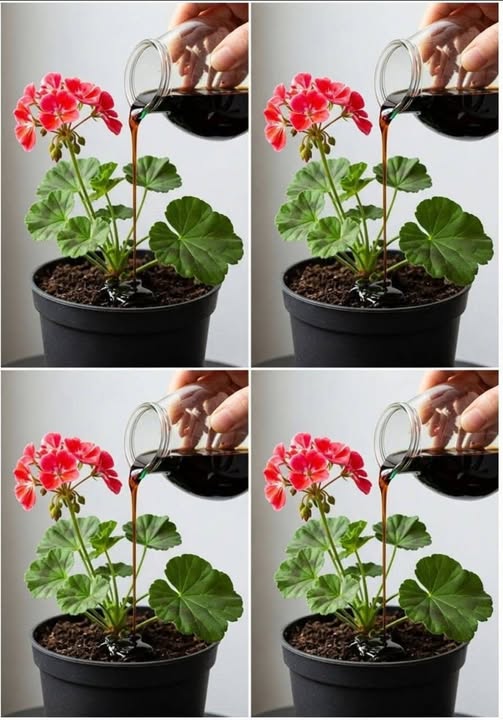
Want more geranium flowers? Learn simple geranium-care tips for longer-lasting blooms, including sunlight, watering, feeding, pruning, deadheading, and overwintering.
Do This to Help Your Geraniums Bloom Almost Continuously for Months
Geraniums are among the easiest flowering plants to grow, but getting them to produce abundant blooms for months requires more than simply watering them.
With enough sunlight, appropriate watering, regular feeding, and a little pruning, geraniums can continue producing flowers throughout much of the growing season. In suitable climates and with proper overwintering, some plants can be kept for years.
The secret isn’t one magical ingredient. It is consistent care and encouraging the plant to keep producing new flower buds.
1. Give Your Geraniums Plenty of Sunlight
One of the most important factors in abundant flowering is light.
Geraniums generally perform best when they receive several hours of direct sunlight each day. Insufficient light can lead to weak, stretched growth and fewer flowers.
If your plant receives strong afternoon sunlight in a very hot climate, however, watch for signs of heat stress such as wilting or scorched leaves.
A bright location with good airflow is usually ideal.
2. Don’t Overwater Them
One of the most common mistakes with geraniums is watering too frequently.
Geraniums generally prefer soil that is allowed to dry somewhat between waterings rather than remaining constantly wet.
Before watering, check the soil with your finger. If the upper layer feels dry, it may be time to water.
When you do water, water thoroughly and allow excess water to drain away.
Why drainage matters
Constantly wet soil can deprive roots of oxygen and encourage root problems.
That’s why a pot with drainage holes is essential.
Never allow a container geranium to sit in standing water for extended periods.
3. Deadhead the Flowers Regularly
If you want your geranium to keep producing flowers, don’t leave spent flower heads on the plant indefinitely.
Deadheading means removing faded flowers before they develop seeds.
Once a flower cluster has finished blooming, remove the entire spent flower stalk according to the plant’s growth habit.
This helps keep the plant looking tidy and encourages it to direct energy toward continued growth and flowering rather than seed production.
4. Feed During Active Growth
Geraniums need nutrients to produce healthy leaves, stems, and flowers.
During active growth, use a balanced or flowering-plant fertilizer according to the product’s instructions.
More fertilizer does not necessarily mean more flowers. Excessive feeding can encourage lots of leafy growth while causing other problems.
Always follow the recommended application rate on the fertilizer label.
5. Prune Leggy Growth
If your geranium becomes tall, thin, or unusually stretched, a light pruning can help encourage a fuller shape.
Trim overly long or weak stems with clean pruning shears.
Pruning can encourage branching, and more branches can provide additional locations for flower production.
Avoid removing large amounts of healthy growth at once unless you’re intentionally performing a more substantial rejuvenation prune.
6. Rotate Container Plants
If your geranium is growing in a pot and receives light primarily from one direction, rotate the container occasionally.
This can encourage more even growth and prevent the plant from leaning heavily toward the light.
A fuller, more balanced plant can also look much more attractive when it is covered with flowers.
7. Keep the Leaves and Stems Dry When Possible
When watering, concentrate water on the soil rather than repeatedly soaking the foliage.
Good airflow around the plant is also helpful.
Crowded plants, poor ventilation, and constantly wet leaves can create conditions favorable to fungal and other plant diseases.
Remove dead or damaged leaves promptly.
8. Don’t Let the Plant Become Completely Exhausted
Geraniums can flower heavily, but continuous flowering requires sufficient resources.
If the plant is producing lots of flowers but looks weak, pale, or stunted, don’t simply add more fertilizer.
Check the basics first:
- Is it receiving enough light?
- Is the soil draining properly?
- Are you watering too frequently?
- Does the pot have enough room for the roots?
- Are pests present?
- Is the plant receiving appropriate nutrients?
Correcting the underlying problem is usually more effective than adding a homemade remedy.
What About Epsom Salt, Coffee Grounds, or Baking Soda?
You’ll find many online gardening recipes promising spectacular blooms from household ingredients.
Be careful with these claims.
Geraniums don’t require a secret kitchen ingredient to flower well. Randomly adding salts, baking soda, coffee grounds, or other substances can alter the soil or provide nutrients in inappropriate amounts.
A quality potting mix, good drainage, adequate sunlight, appropriate watering, and a suitable fertilizer are much more reliable foundations for healthy flowering.
How to Encourage Flowers for as Long as Possible
If you want your geraniums to keep blooming for many months, think of their care as a routine rather than a one-time trick.
Your simple geranium routine:
Every few days:
Check the soil moisture and inspect the plant for pests or disease.
When the soil has dried appropriately:
Water thoroughly and allow excess water to drain.
Regularly:
Remove faded flower heads and damaged foliage.
During active growth:
Feed according to the instructions for your chosen fertilizer.
When growth becomes leggy:
Prune selectively to encourage branching.
Throughout the season:
Provide plenty of suitable light and good air circulation.
Can Geraniums Really Bloom for More Than a Year?
This depends heavily on the species or cultivar, climate, growing conditions, and how the plant is maintained.
In warm climates, some geraniums can continue growing and flowering for extended periods. In colder regions, plants may slow down or stop flowering during winter.
Rather than promising that every geranium will bloom continuously for an entire year, it is more accurate to say that excellent care can greatly extend the flowering period and help the plant produce repeated flushes of blooms.
Some gardeners also overwinter their favorite geraniums indoors or in protected conditions and bring them back into active growth when conditions improve.
The Biggest Mistake to Avoid
If there is one thing to remember, it is this:
Don’t treat your geranium like a plant that needs constant watering.
Many flowering plants suffer when gardeners assume that more water equals more growth.
Instead, pay attention to the soil, drainage, weather, and the plant itself. A geranium growing in well-draining soil with appropriate moisture and plenty of light has a much better chance of producing vigorous growth and abundant flowers.
Final Thoughts
You don’t need an expensive secret formula to encourage beautiful geraniums.
Give your plant adequate sunlight, well-draining soil, appropriate watering, regular deadheading, occasional pruning, and sensible feeding. These simple habits can make a remarkable difference in the number and duration of blooms.
And remember: there is no guaranteed trick that makes every geranium flower continuously for more than a year. Plant variety and growing conditions matter.
Consistent care—not a miracle ingredient—is the real secret to keeping geraniums flowering beautifully for as long as possible.