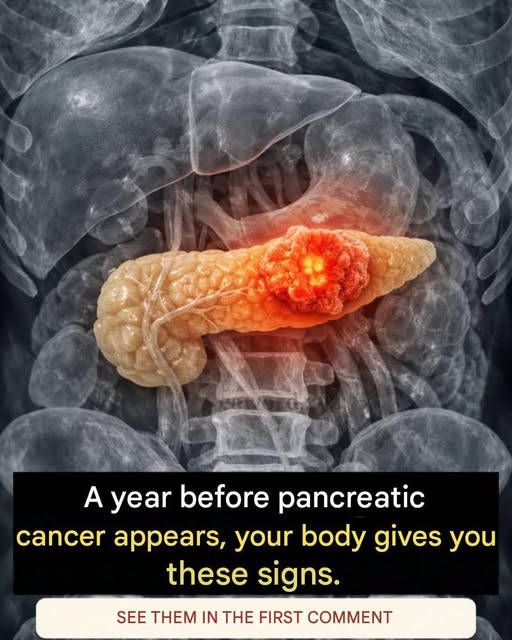
Learn the early warning signs of pancreatic cancer, including jaundice, unexplained weight loss, persistent abdominal or back pain, digestive changes, and new diabetes. Discover why these symptoms can be subtle and when medical evaluation is important.
Early Signs of Pancreatic Cancer: The Silent Symptoms Doctors Recommend Not Ignoring
Pancreatic cancer can be difficult to detect early because the pancreas is located deep inside the abdomen, and early disease may cause few or nonspecific symptoms.
That doesn’t mean every digestive problem or episode of abdominal pain is a sign of cancer. Many of these symptoms are caused by much more common conditions. However, persistent, unexplained, or unusual changes deserve medical attention, especially when several occur together.
Here are important warning signs to know.
1. Yellowing of the Skin or Eyes
One of the most important symptoms is jaundice.
The skin or whites of the eyes may turn yellow, and urine can become unusually dark. Stools may become pale, and itching can occur.
This can happen when a tumor blocks the bile duct.
Jaundice has many possible causes, including gallstones and liver disease, but new unexplained jaundice should be evaluated promptly.
2. Unexplained Weight Loss
Losing weight without intentionally changing your diet or activity level can have many causes.
However, unexplained weight loss—particularly when it is significant or accompanied by other symptoms—shouldn’t simply be attributed to aging or stress.
Pancreatic cancer can affect digestion and appetite, contributing to weight loss.
3. Persistent Upper-Abdominal Pain
Pancreatic cancer may cause pain or discomfort in the upper abdomen.
The pain can sometimes spread toward the back and may become worse after eating or when lying down.
Persistent abdominal pain has many potential causes, so pain alone doesn’t mean cancer. But unexplained pain that doesn’t improve deserves evaluation.
4. Back Pain Without an Obvious Cause
Some people with pancreatic cancer experience pain in the middle or upper back.
This can occur when a tumor affects nearby nerves or tissues.
Back pain is extremely common and is usually caused by musculoskeletal problems, so it is not a specific sign of pancreatic cancer. However, persistent back pain combined with unexplained weight loss, jaundice, digestive problems, or abdominal pain warrants medical attention.
5. Changes in Digestion
Pancreatic problems can interfere with digestion.
Possible symptoms include:
- Bloating
- Indigestion
- Nausea
- Changes in bowel movements
- Diarrhea
- Feeling unusually full
- Reduced appetite
Particularly important are persistent changes that don’t have an obvious explanation.
6. Pale, Greasy, or Floating Stools
Changes in stool can sometimes occur when the pancreas isn’t producing enough digestive enzymes or when bile flow is blocked.
Stools may become unusually pale, greasy, foul-smelling, or difficult to flush.
Occasional changes in stool are common and usually aren’t cancer. Persistent changes should be discussed with a healthcare professional.
7. New or Worsening Diabetes
The pancreas plays an important role in blood-sugar regulation.
In some people, pancreatic cancer can be associated with new-onset diabetes or unexpectedly worsening blood-sugar control.
Most people who develop diabetes do not have pancreatic cancer. However, unexplained new diabetes—particularly alongside weight loss or digestive symptoms—may warrant further medical assessment.
8. Loss of Appetite
A persistent reduction in appetite can occur for many reasons.
If you’re consistently eating less and losing weight without intending to, it’s important to identify the underlying cause rather than simply assuming it’s part of getting older.
9. Nausea and Vomiting
Pancreatic tumors can sometimes interfere with digestion or affect nearby structures, leading to nausea or vomiting.
Persistent vomiting, difficulty keeping fluids down, or vomiting accompanied by significant abdominal pain requires medical evaluation.
10. Unusual Fatigue
Cancer-related fatigue can feel different from ordinary tiredness.
You may feel exhausted despite getting adequate sleep or find that everyday activities require much more effort than usual.
Fatigue is extremely nonspecific, however, and can result from anemia, infections, thyroid problems, sleep disorders, medications, and many other conditions.
Why Pancreatic Cancer Can Be Difficult to Detect
The pancreas is located deep within the abdomen, and early pancreatic cancer may not cause obvious symptoms.
By the time symptoms become noticeable, the disease may already have progressed.
This is why persistent or unusual combinations of symptoms shouldn’t be ignored.
When Should You See a Doctor?
Make an appointment if you develop symptoms that are:
- New and unexplained
- Persistent or getting worse
- Associated with unexplained weight loss
- Accompanied by jaundice
- Associated with significant changes in digestion or bowel movements
- Accompanied by newly diagnosed or unexpectedly worsening diabetes
New jaundice should receive prompt medical evaluation, especially when accompanied by dark urine, pale stools, abdominal pain, fever, or vomiting.
Important: These Symptoms Don’t Automatically Mean Cancer
This is one of the most important points.
Most people with these symptoms do not have pancreatic cancer.
Gallstones, pancreatitis, ulcers, irritable bowel conditions, liver disease, medication effects, infections, and many other conditions can produce similar symptoms.
The purpose of knowing the warning signs isn’t to diagnose yourself—it’s to recognize when something unusual deserves professional evaluation.
Final Takeaway
Pancreatic cancer is sometimes called a “silent” cancer because early symptoms can be subtle or absent.
Pay attention to persistent changes such as unexplained weight loss, jaundice, abdominal or back pain, digestive changes, pale or greasy stools, loss of appetite, and new or worsening diabetes.
Don’t panic if you experience one of these symptoms—but don’t ignore persistent or unexplained changes either.
Early medical evaluation can determine what’s actually causing the symptoms and, when cancer is present, may help identify it as early as possible.