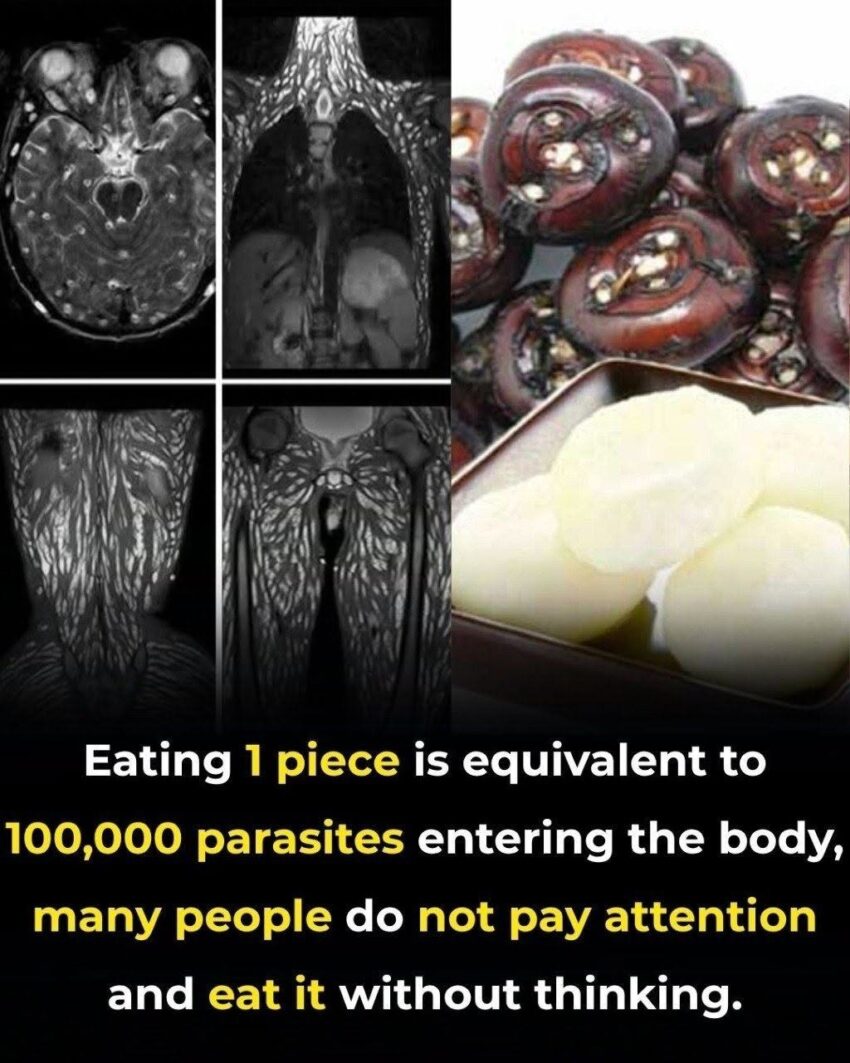
Some foods can pose health risks even in small amounts. Learn why preparation, contamination, allergies, and portion size matter—and which foods deserve extra caution.
There are foods people eat every day without giving them a second thought. They may look harmless, smell delicious, and even be part of familiar family recipes. But in certain situations, even a small amount can cause problems.
That does not mean that one bite of a particular food is automatically dangerous for everyone. The risk depends on the food, how it was prepared, how much was consumed, and the person’s individual health.
Some risks are related to food poisoning or contamination, while others involve allergies, excessive amounts of certain nutrients, or naturally occurring substances that can be harmful when foods are improperly prepared.
This is why the phrase “just one bite can’t hurt” is not always a safe assumption.
Why Can a Small Amount Be a Problem?
The body does not respond to every food in the same way.
For most people, eating a small portion of an ordinary food is unlikely to cause serious harm. However, certain circumstances can change that.
1. Food Allergies
For someone with a serious food allergy, even a tiny amount of an allergen can trigger a reaction.
Common food allergens include:
- Peanuts
- Tree nuts
- Milk
- Eggs
- Fish
- Shellfish
- Wheat
- Soy
- Sesame
A person with a severe allergy should not assume that “just one bite” is safe.
Symptoms of a serious allergic reaction can include swelling, difficulty breathing, widespread hives, vomiting, dizziness, or loss of consciousness.
Anyone experiencing symptoms of a severe allergic reaction should seek emergency medical help immediately.
2. Improperly Prepared Foods
Some foods require careful preparation because they can contain naturally occurring toxins, harmful bacteria, or other substances that become dangerous when the food is eaten raw or improperly cooked.
Preparation matters enormously.
Cooking, soaking, fermenting, peeling, or other traditional preparation methods can sometimes reduce specific risks, depending on the food.
That is why eating something in its raw or improperly prepared form simply because it looks fresh can be a mistake.
3. Spoiled or Contaminated Food
Another reason a small bite can sometimes be problematic is contamination.
Food can become contaminated with bacteria, viruses, parasites, or toxins during production, handling, storage, or preparation.
Importantly, you cannot always tell whether food is contaminated by its appearance or smell.
A food may look completely normal and still contain harmful microorganisms.
Signs that should make you cautious include:
- Unusual odor
- Visible mold
- Slimy texture
- Damaged packaging
- Bulging cans
- Leaking containers
- Food that has been stored improperly
- Food left at unsafe temperatures for too long
When in doubt, throwing questionable food away is generally safer than tasting it “just to see.”
4. Naturally Toxic Foods
Some plants and foods contain natural compounds that can become harmful depending on the type of food, its variety, preparation, or amount consumed.
This is one reason certain traditional foods have specific preparation instructions.
For example, some wild plants can be mistaken for edible varieties. Certain parts of plants may contain compounds that are not safe to consume.
This is particularly important with wild mushrooms and unfamiliar wild plants.
Never assume that a mushroom or plant is safe simply because an animal appears to have eaten it or because it resembles a familiar food.
5. Portion Size Still Matters
A food does not have to be poisonous to become unhealthy when consumed in excessive quantities.
Salt is a simple example.
The body needs sodium, but regularly consuming excessive amounts can contribute to high blood pressure and other health concerns.
The same principle applies to foods high in added sugar, saturated fat, or calories.
One bite is very different from eating the same food every day in large portions.
That’s why nutrition is better understood through overall eating patterns rather than fear of individual bites.
Foods That Deserve Extra Caution
Rather than believing viral claims that one bite of a particular food is automatically dangerous, it is more useful to know which categories deserve attention.
Raw or Undercooked Animal Foods
Raw or undercooked meat, poultry, eggs, seafood, and shellfish can carry harmful microorganisms.
Proper cooking reduces the risk of foodborne illness.
This is especially important for young children, older adults, pregnant people, and individuals with weakened immune systems.
Unpasteurized Products
Unpasteurized milk and certain unpasteurized dairy products can carry harmful bacteria.
People at higher risk of severe foodborne illness should be particularly careful with these products.
Wild Mushrooms
Wild mushrooms are one of the clearest examples of why appearance is not enough.
Some poisonous mushrooms closely resemble edible varieties.
Even a small amount of a poisonous mushroom can potentially cause serious illness.
Only eat wild mushrooms when they have been reliably identified by an appropriately qualified expert.
Foods With Visible Mold
When mold appears on food, the safest response depends on the food itself.
Some firm foods may sometimes be trimmed according to food-safety guidance, while soft foods such as bread, soft fruits, and many soft cheeses are generally safer to discard because mold can penetrate beneath the visible surface.
Simply scraping away visible mold does not necessarily make contaminated food safe.
Raw Sprouts
Raw or lightly cooked sprouts can sometimes carry bacteria because of the warm, humid conditions required for sprouting.
Cooking sprouts thoroughly reduces this risk.
What About “One Bite” of a Food That Is Usually Healthy?
This is where sensational headlines can become misleading.
A food can be nutritious and still cause problems for a particular person.
For example, someone with a food allergy may need to completely avoid a food that is perfectly healthy for everyone else.
Similarly, someone with a specific medical condition may have dietary restrictions that do not apply to the general population.
So instead of asking:
“Is this food dangerous?”
A better question is:
“Is this food safe for me, in this amount, prepared this way?”
That distinction is important.
Don’t Let Viral Food Warnings Create Unnecessary Fear
Social media frequently turns ordinary nutrition advice into frightening headlines:
“Never eat this again.”
“One bite can destroy your health.”
“Doctors don’t want you to know this.”
These statements may attract attention, but they often leave out crucial context.
Health risks usually depend on factors such as:
- Quantity
- Frequency
- Preparation
- Food quality
- Individual health conditions
- Allergies
- Age
- Medication use
- Food-storage conditions
A balanced diet does not require being afraid of every ingredient.
How to Make Safer Food Choices
You can reduce many food-related risks by following a few simple habits.
Wash Your Hands
Wash your hands before preparing food and after handling raw meat, poultry, seafood, or eggs.
Keep Raw and Cooked Foods Separate
Use separate cutting boards or carefully wash equipment between raw and ready-to-eat foods.
Cook Foods Properly
Use appropriate cooking temperatures and avoid relying solely on color or appearance to determine whether meat or other foods are safely cooked.
Store Food Correctly
Refrigerate foods that require refrigeration and avoid leaving perishable foods at room temperature for extended periods.
Check Packaging
Do not consume foods from containers that are leaking, damaged, unusually swollen, or otherwise suspicious.
Don’t Taste Questionable Food
If you suspect that something is spoiled or contaminated, tasting a small amount is not a reliable safety test.
When Should You Take a Reaction Seriously?
If someone develops symptoms after eating a food, the seriousness depends on the symptoms.
Mild digestive symptoms may include:
- Nausea
- Stomach discomfort
- Diarrhea
- Vomiting
However, symptoms such as difficulty breathing, swelling of the lips or tongue, severe weakness, confusion, fainting, or signs of a severe allergic reaction require urgent medical attention.
If several people become sick after eating the same food, food poisoning may also be a possibility and medical advice may be appropriate.
The Bottom Line
The idea that “just one bite is harmful” is too broad to apply to every food or every person.
For most ordinary foods, a single bite is not inherently dangerous. But certain foods can pose serious risks when they are contaminated, improperly prepared, poisonous, or consumed by someone with a severe allergy.
The safest approach isn’t fear.
It’s knowledge, proper preparation, sensible portions, and good food-safety habits.
Before believing a dramatic claim about a food, look beyond the headline. Ask what food is being discussed, what makes it risky, how much matters, and whether the warning applies to everyone or only to specific situations.
Sometimes the smallest detail—such as whether a food was cooked, stored, or prepared correctly—is what makes the biggest difference.