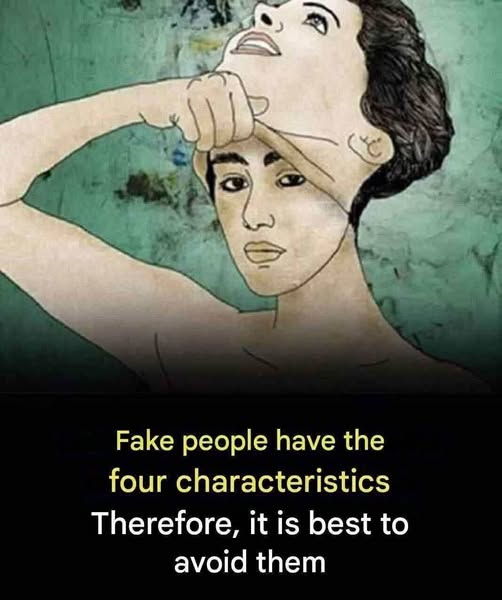
Learn about four common behaviors that may reveal insincerity in relationships, including inconsistent actions, excessive flattery, conditional support, and gossiping.
Fake People Often Have These 4 Characteristics
Not everyone who behaves differently from us is necessarily “fake.” People can be shy, private, or simply have different communication styles. However, certain repeated behaviors can sometimes signal that a person isn’t being genuine.
Here are four patterns worth paying attention to.
1. Their Words and Actions Don’t Match
A person may constantly promise to help, support you, or be there for you—but when you actually need them, their behavior tells a different story.
Occasional inconsistency is normal. The warning sign is a repeated pattern of saying one thing and doing another.
2. They Give Excessive Compliments When They Want Something
Genuine compliments usually don’t come with an expectation attached.
Someone who suddenly becomes extremely flattering whenever they need a favor, money, attention, or access to something may be trying to influence you.
Pay attention to whether their warmth disappears once they get what they wanted.
3. They Are Supportive Only When It’s Convenient
A genuine friend doesn’t have to agree with everything you do, but they generally want the best for you.
A person who celebrates you only when you’re doing well—but disappears when you need emotional support—may not be as invested in the relationship as you thought.
4. They Talk About Everyone Behind Their Back
If someone constantly shares other people’s private information or insults their friends when they’re not around, consider how they might speak about you when you’re absent.
Occasional venting is human. Constant gossip and betrayal of confidences are different.
The Most Important Lesson
Don’t judge someone based on a single incident. Look for consistent patterns over time.
People make mistakes, have bad days, and sometimes communicate poorly. The real warning signs are repeated behaviors that leave you feeling manipulated, disrespected, or used.
And sometimes the healthiest response isn’t confrontation—it’s simply establishing boundaries and deciding how much access that person should have to your life.