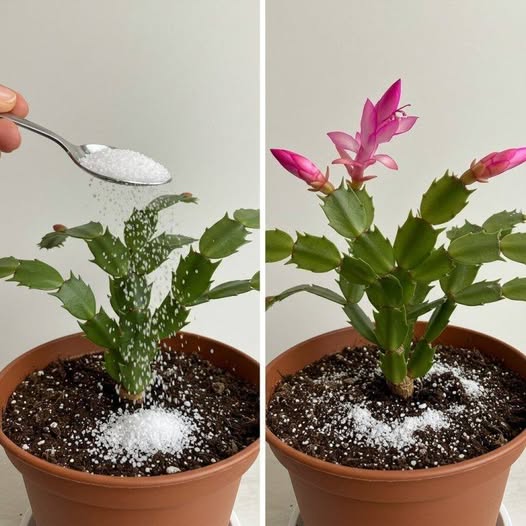
Give tired houseplants a fresh start this fall with simple seasonal care. Learn how to revive drooping leaves, improve light, adjust watering, and encourage healthy new growth naturally.
Fall Awakening: Breathing Life into House Flowers with a Little Secret
As summer fades and cooler days arrive, your houseplants may begin to look a little tired. Leaves can lose their shine, growth may slow down, and some plants may seem to need extra attention.
But fall doesn’t have to mean the end of beautiful indoor greenery. With a few simple changes to your routine—and one little secret—you can help your houseplants stay healthy and attractive throughout the season.
The Secret Is Paying Attention to the Roots
One of the easiest mistakes plant owners make is focusing only on what they can see.
A plant with drooping leaves doesn’t always need more water. Sometimes the soil is already too wet, and the roots aren’t getting enough air.
Before watering, push your finger about an inch into the soil. If it still feels damp, give the plant more time. If the soil feels dry and the plant’s care requirements call for watering, water thoroughly until some moisture drains from the bottom of the pot.
Good drainage is one of the simplest secrets to healthier houseplants.
1. Give Your Plants Better Light
As autumn arrives, daylight becomes shorter and indoor light levels can change.
Move light-loving plants closer to a bright window, but avoid suddenly exposing delicate plants to intense direct sunlight if they aren’t accustomed to it.
Rotate the pot every week or two so all sides of the plant receive relatively even light.
2. Don’t Follow Your Summer Watering Schedule
Plants often use less water as growth slows.
Instead of watering automatically on a fixed schedule, check the soil first. Different plants have very different moisture requirements, so a succulent shouldn’t be treated like a tropical houseplant.
Overwatering is one of the most common causes of indoor-plant problems.
3. Clean Dust From the Leaves
Dust can accumulate on broad leaves and make plants look dull.
Gently wipe large, sturdy leaves with a soft, damp cloth. For plants that tolerate it, a gentle shower can also help rinse away dust.
Avoid using milk, mayonnaise, oil, or household polish to make leaves shiny. These substances can leave residues and may interfere with the plant’s normal leaf surface.
4. Check for Pests
Before bringing plants closer together for the cooler season, inspect them carefully.
Look underneath leaves and around stems for tiny insects, webbing, sticky residue, or unusual spots.
Catching pests early is much easier than trying to control a large infestation later.
If you find pests, isolate the affected plant from your other houseplants and use a plant-safe treatment appropriate for the pest and species.
5. Give Roots Some Room
If roots are growing out of the drainage holes, water runs straight through the pot, or the plant has become severely root-bound, it may be time to consider repotting.
However, don’t automatically move every plant into a much larger pot. A pot that’s excessively large can hold too much moisture around the roots.
Choose a container only modestly larger than the existing root ball and make sure it has proper drainage.
6. Trim Away Dead Growth
Remove yellow or completely dead leaves with clean scissors.
You can also trim obviously dead stems to help the plant look tidier.
Avoid cutting healthy growth unnecessarily. Some plants naturally lose older leaves as seasons change, and minor yellowing doesn’t always mean something is seriously wrong.
7. Be Careful With Fertilizer
Many houseplants grow more slowly during periods of lower light and cooler temperatures.
That means they may not need the same amount of fertilizer they used during vigorous summer growth.
Rather than adding fertilizer automatically, follow the specific care requirements for your plant. Too much fertilizer can damage roots and create additional problems.
8. Keep Plants Away From Drafts
Cold drafts from frequently opened windows and doors can stress some tropical houseplants.
At the same time, placing plants directly beside heaters or radiators can expose them to excessively dry, hot air.
Try to find a stable location with suitable light and relatively consistent temperatures.
A Simple Fall Refresh
If your plants look tired, start with the basics:
Check the soil.
Improve the light.
Clean the leaves.
Inspect for pests.
Remove dead growth.
Make sure the pot drains properly.
These simple steps can make a surprising difference.
And remember, not every plant needs the same treatment. A cactus, fern, orchid, pothos, and flowering houseplant can have completely different watering and light requirements.
Let Fall Be a Fresh Start
Your plants don’t necessarily need an expensive fertilizer or complicated homemade mixture to look healthier.
Often, the real secret is simply observing what the plant is telling you.
Drooping leaves, dry soil, yellowing, slow growth, and pests are clues. Once you understand what your particular plant needs, adjusting its care becomes much easier.
With the right light, careful watering, clean leaves, good drainage, and a little patience, your indoor garden can enter autumn looking refreshed and ready for the next season.