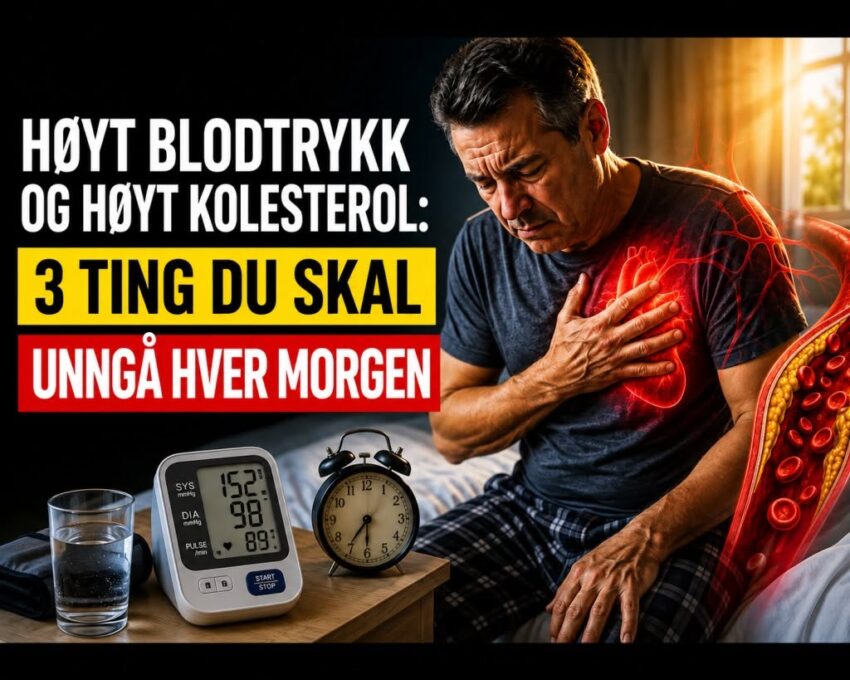
If you have high blood pressure or high cholesterol, your morning routine can be an opportunity to support better heart health. But it’s important to avoid exaggerated claims that one morning habit can “clean your arteries” or instantly lower your blood pressure.
Instead, focus on a few practical habits that can make a meaningful difference over time.
Here are three things to avoid every morning if you’re trying to protect your heart and blood vessels.
1. Avoid a High-Salt Breakfast
Many people associate excess salt with lunch or dinner, but breakfast foods can also contain substantial amounts of sodium.
Processed meats, packaged breakfast foods, salty breads, cheese, and convenience foods can all contribute to your daily sodium intake.
Eating too much sodium can cause the body to retain more fluid, which can raise blood pressure in some people.
Better morning choices
Consider:
- Oatmeal topped with berries
- Plain yogurt with fruit and nuts
- Eggs with vegetables
- Whole-grain toast with avocado
- Fresh fruit
- Unsalted nuts and seeds
You don’t have to eliminate salt completely. The goal is to keep overall sodium intake within the amount recommended for you.
2. Avoid Sugary Drinks and Highly Processed Breakfasts
A sweetened coffee drink, sugary cereal, pastries, or doughnuts may be convenient, but regularly starting the day with foods high in added sugars and refined carbohydrates isn’t ideal for cardiovascular health.
A heart-friendly breakfast can instead combine:
Fiber + protein + minimally processed carbohydrates + healthy fats.
For example, try oatmeal with walnuts and berries, or eggs with vegetables and whole-grain toast.
Why fiber matters
Soluble fiber can help reduce LDL (“bad”) cholesterol. Good sources include:
- Oats
- Barley
- Beans
- Lentils
- Apples
- Citrus fruits
- Psyllium
One food won’t dramatically change your cholesterol overnight, but consistently choosing high-fiber foods can contribute to better cholesterol management.
3. Don’t Skip Your Prescribed Medication
This may be the most important morning habit of all.
If you’ve been prescribed blood pressure or cholesterol medication, don’t skip it because you feel fine. High blood pressure and high cholesterol often cause no noticeable symptoms.
Some medications are intended to be taken at a particular time of day, while others can be taken at different times depending on the medicine and your treatment plan.
Follow the instructions provided by your healthcare professional or pharmacist.
Never change the dose or stop medication without medical advice.
What If You Forget a Dose?
Don’t automatically take a double dose.
The correct response depends on the medication. Check the medication instructions or contact your pharmacist or healthcare professional for advice.
What About Morning Coffee?
You don’t necessarily need to give up coffee simply because you have high blood pressure or cholesterol.
Caffeine can temporarily raise blood pressure in some people. If you’re concerned, check your blood pressure before drinking coffee and again around 30–60 minutes afterward on several occasions.
Also pay attention to what you put in your coffee. Large amounts of added sugar, syrups, cream, or high-saturated-fat ingredients can turn an otherwise reasonable drink into a calorie-heavy one.
A Heart-Friendly Morning Routine
A simple routine could look like this:
- Wake up and take prescribed medication as directed.
- Drink water if you’re thirsty.
- Choose a breakfast rich in fiber and minimally processed foods.
- Get some gentle physical activity when appropriate.
- Avoid smoking.
- Monitor your blood pressure if your healthcare professional has recommended home measurements.
Consistency matters much more than finding a “miracle” morning trick.
Don’t Forget the Rest of the Day
Your heart doesn’t care only about what happens before 9 a.m.
Long-term cardiovascular health is influenced by your overall lifestyle, including:
- Dietary pattern
- Physical activity
- Body weight
- Sleep
- Smoking
- Alcohol consumption
- Stress
- Blood pressure control
- Cholesterol management
- Diabetes management
If you have high blood pressure and high cholesterol, working with your healthcare team to manage both conditions can substantially reduce cardiovascular risk.
Frequently Asked Questions
Can breakfast lower blood pressure immediately?
No single breakfast reliably produces a dramatic immediate reduction in blood pressure. Healthy eating patterns can contribute to better blood pressure control over time.
Should people with high cholesterol avoid eggs?
Eggs can fit into many healthy diets. What matters is your overall dietary pattern and individual cholesterol and cardiovascular risk. If you have been advised to restrict dietary cholesterol or saturated fat, follow your clinician’s recommendations.
Is oatmeal good for high cholesterol?
Oats contain soluble fiber, including beta-glucan, which can help lower LDL cholesterol when consumed regularly as part of a healthy diet.
Should I check my blood pressure every morning?
Not everyone needs daily monitoring. If your healthcare professional has recommended home monitoring, follow their schedule and technique. Taking readings at roughly consistent times can make the measurements easier to interpret.
Final Thoughts
There is no single morning habit that can eliminate high blood pressure or high cholesterol. But avoiding excessively salty breakfasts, sugary and highly processed foods, and missed prescribed medications can help support better cardiovascular health.
Think beyond the morning: a high-fiber diet, regular physical activity, maintaining a healthy weight, avoiding tobacco, and taking prescribed treatments consistently are far more important than any viral health “hack.”
If your blood pressure or cholesterol remains high despite lifestyle changes, speak with your healthcare professional. Effective treatment is about managing your overall cardiovascular risk—not chasing quick fixes.