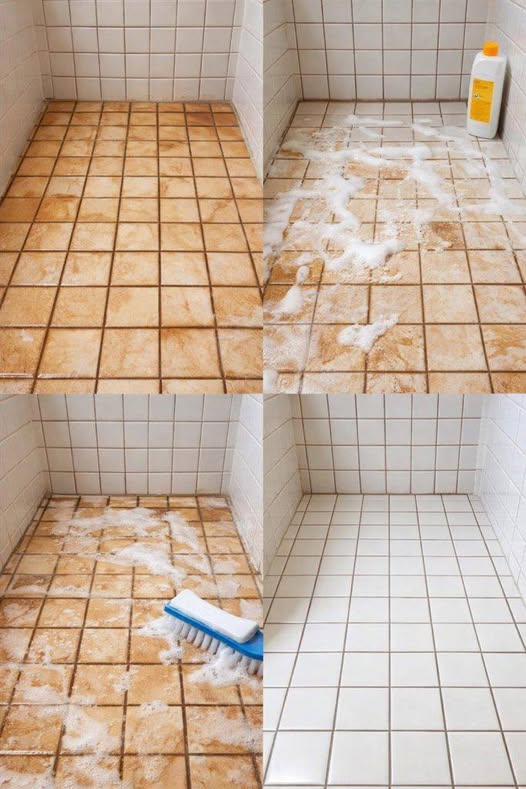
You don’t always need an expensive specialty cleaner to keep household floors looking fresh. For many sealed, water-resistant floors, a simple homemade solution can help remove everyday dirt, fingerprints, and light grease while leaving the surface looking clean.
However, there is an important catch: not every floor should be cleaned with the same ingredients. Vinegar, baking soda, essential oils, and other popular DIY ingredients can damage certain flooring materials.
Here’s a safer approach.
A Simple Homemade Floor-Cleaning Mixture
For many sealed floors, you can start with:
Ingredients
- 4 litres of warm water
- A small amount of mild dish soap—about 1 teaspoon
- A clean microfiber mop
That’s it.
The goal is not to create a highly concentrated cleaner. Using too much soap can actually leave a sticky residue that attracts more dust.
How to Use It
- Sweep or vacuum the floor first to remove loose dirt and grit.
- Mix the warm water and a small amount of mild dish soap.
- Dip a microfiber mop into the solution.
- Wring it out thoroughly so the mop is damp, not soaking wet.
- Mop in manageable sections.
- Allow the floor to dry naturally or use a clean, dry microfiber cloth if necessary.
For floors that are sensitive to moisture, use as little water as possible.
What About Vinegar?
Vinegar is one of the most popular ingredients in homemade cleaning recipes, but it isn’t universally safe.
Because vinegar is acidic, frequent use may damage or dull surfaces such as:
- Natural stone
- Marble
- Limestone
- Travertine
- Some specialty finishes
For these materials, it’s better to use a cleaner specifically designed for the flooring.
For other sealed flooring, always follow the manufacturer’s cleaning instructions before using vinegar.
What About Baking Soda?
Baking soda is mildly abrasive.
Although it can be useful for some household cleaning jobs, scrubbing it directly onto a delicate or glossy floor may cause scratching or dull the finish.
It isn’t necessary for routine floor mopping.
Floor-by-Floor Cleaning Guide
Hardwood Floors
Hardwood requires particular care.
Use a cleaner recommended for your specific finish and avoid saturating the floor with water. Excess moisture can penetrate seams and contribute to swelling, warping, or finish damage.
A microfiber mop that is only slightly damp is generally preferable to a wet mop.
Laminate Flooring
Laminate can be sensitive to excess moisture.
Avoid leaving puddles or allowing water to sit on the surface. A lightly damp microfiber mop is usually a safer approach than soaking the floor.
Check the flooring manufacturer’s instructions because laminate products differ.
Ceramic and Porcelain Tile
These surfaces are generally more tolerant of moisture.
Warm water and a small amount of mild detergent can be suitable for routine cleaning. Pay particular attention to grout, where dirt can accumulate.
Natural Stone
Be especially careful with marble, limestone, travertine, and similar stone surfaces.
Avoid acidic cleaners such as vinegar unless the manufacturer specifically says they’re appropriate.
Use a pH-neutral stone cleaner instead.
Vinyl Flooring
Many vinyl floors can be cleaned with diluted mild detergent and water, but excessive moisture and harsh chemicals should still be avoided.
Check the manufacturer’s recommendations, particularly for luxury vinyl products.
The Secret Is Often the Mop, Not the Mixture
A good microfiber mop can make a surprisingly large difference.
Microfiber traps dirt rather than simply pushing it around, and it can usually clean effectively with relatively little water.
For the best results:
- Wash or vacuum the floor first.
- Don’t use a dirty mop head.
- Change the cleaning solution when it becomes visibly dirty.
- Don’t flood the floor.
- Wash microfiber mop pads regularly.
- Allow the floor to dry completely.
Don’t Mix Household Cleaning Chemicals
This is extremely important.
Never mix bleach with vinegar, ammonia, or other household cleaners.
Some combinations can release dangerous gases.
You also don’t need to combine multiple strong ingredients to make an effective floor cleaner. In many situations, a mild detergent and appropriate amount of water are enough.
How to Make Floors Look Better Without Leaving Residue
If your floor looks dull immediately after cleaning, the problem may not be a lack of cleaning power.
You may actually be using too much product.
Soap and cleaning-product residue can build up and create a hazy or sticky appearance.
Try:
- Using considerably less detergent.
- Using a clean microfiber mop.
- Rinsing according to the manufacturer’s instructions.
- Allowing the floor to dry fully.
- Avoiding wax or polish unless the floor is specifically designed for it.
Common DIY Floor-Cleaning Mistakes
Using Too Much Water
Excess moisture is particularly problematic for wood and laminate.
Using Too Much Soap
More soap doesn’t necessarily mean a cleaner floor. It can leave residue.
Using Vinegar on Every Surface
Natural stone is particularly vulnerable to acidic cleaners.
Scrubbing Too Aggressively
Abrasive pads and powders can damage protective finishes.
Ignoring the Manufacturer’s Instructions
Flooring products can have very different finishes and maintenance requirements.
Frequently Asked Questions
Can I use dish soap to clean my floor?
A very small amount of mild dish soap can be suitable for some sealed, washable floors, but check the flooring manufacturer’s instructions first.
Does vinegar make floors shiny?
Vinegar doesn’t magically create a new finish. On some surfaces it may help remove certain residues, but on others—especially natural stone—it can cause permanent damage.
Can I add essential oils?
It’s generally unnecessary. Essential oils can leave residue and may be irritating to some people or pets. A simple cleaner is often the better choice.
Why does my floor look cloudy after mopping?
A buildup of cleaning products, hard-water minerals, wax, or an incompatible cleaner can create a cloudy appearance. The appropriate solution depends on the flooring material.
Final Thoughts
You don’t need a complicated homemade formula to get clean-looking floors.
For many sealed, water-resistant surfaces, warm water, a tiny amount of mild detergent, and a clean microfiber mop can be surprisingly effective. The most important step, however, is choosing a cleaning method that’s compatible with your particular flooring.
Before trying a viral DIY recipe, check whether your floor is hardwood, laminate, vinyl, tile, or natural stone—and follow the manufacturer’s care instructions.
The safest homemade cleaner is the one that cleans effectively without damaging the finish you’re trying to protect.