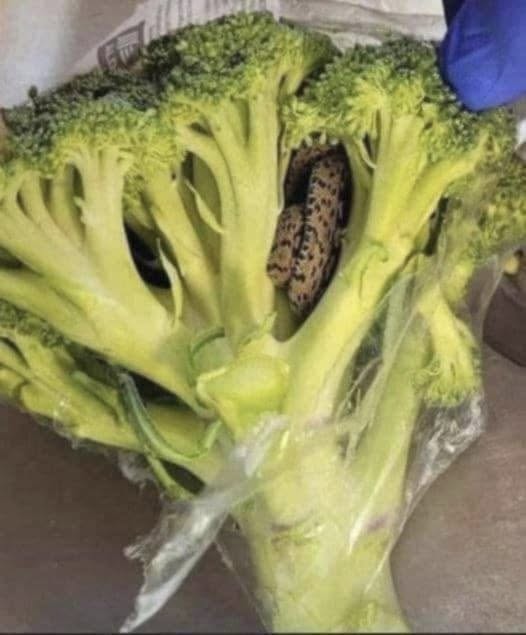
What Should You Do If You Find Something Unusual?
If you open a package of broccoli and discover an insect, dirt, damaged material, mold, or another unexpected object, don’t panic.
First, stop preparing the food and inspect the entire package.
Look for:
- Signs of insects or insect damage
- Mold
- Slimy or unusually soft florets
- Strong unpleasant odors
- Extensive discoloration
- Damaged packaging
- Excess moisture inside the package
- Foreign objects
If the broccoli looks spoiled or rotten, the safest choice is to discard it.
The FDA advises consumers to cut away damaged or bruised areas of fresh produce and to throw away produce that looks rotten.
Should You Wash Broccoli Before Eating It?
Yes. Fresh broccoli should generally be washed under running water before preparing or eating it.
The USDA recommends washing fresh fruits and vegetables under running tap water to remove lingering dirt and reduce bacteria that may be present.
For broccoli, place the vegetable under cool running water and gently rub or move the florets around with your hands.
Pay particular attention to the dense areas between the florets.
However, washing does not make produce completely free of microorganisms. It can reduce bacteria and remove dirt and debris, but it is not a guarantee that every harmful organism will be eliminated.
Don’t Wash Broccoli With Soap
One common reaction to discovering something unpleasant on produce is to try to clean it with dish soap or detergent.
That’s not recommended.
The FDA specifically advises consumers not to wash fruits and vegetables with soap, detergent, or commercial produce washes because produce can absorb residues.
Plain running water is the safer approach.
If you want to remove visible debris, gently rinse the broccoli and inspect it carefully afterward.
What About Pre-Washed Broccoli?
Some packaged produce is labeled “pre-washed,” “washed,” or “ready-to-eat.”
If packaging specifically says the product is ready-to-eat or pre-washed, consumers can generally use it without washing again. USDA guidance notes that additional washing of ready-to-eat produce can introduce cross-contamination if the sink, hands, or utensils are not clean.
If you’re unsure whether your particular package is pre-washed, check the label.
Don’t Ignore Spoilage
An insect may be unpleasant, but spoilage can be a more important reason to avoid eating the product.
Fresh broccoli should generally have a firm texture and a fresh vegetable smell.
Be cautious if you notice:
- Fuzzy mold
- Widespread dark or rotten areas
- A slimy texture
- A strong unpleasant smell
- Excessive deterioration
- Severely damaged florets
If the vegetable appears rotten, don’t simply wash it and assume it is safe.
The FDA recommends throwing away produce that looks rotten.
How to Store Fresh Broccoli
Proper storage can help preserve broccoli’s quality after you bring it home.
USDA guidance recommends keeping fresh broccoli refrigerated and notes that broccoli does not need to be washed until you’re ready to eat it.
A simple approach is:
- Keep the broccoli refrigerated.
- Avoid washing it until you’re ready to prepare it.
- Store it in a suitable produce bag or container.
- Keep the refrigerator at a safe temperature.
- Inspect it again before cooking.
Keeping refrigerated foods properly chilled is an important part of food safety. USDA recommends maintaining a refrigerator temperature of 40°F (4°C) or below.
What If You Already Ate the Broccoli?
If you discover something unusual after eating some of the broccoli, don’t automatically assume that you will become sick.
Finding an insect or piece of natural plant material does not by itself prove that the food contained a dangerous pathogen.
However, if you develop symptoms of foodborne illness such as persistent vomiting, diarrhea, severe abdominal pain, fever, dehydration, or other concerning symptoms, consider contacting a healthcare professional.
People at higher risk of serious foodborne illness—including young children, older adults, pregnant people, and people with weakened immune systems—should be especially careful with questionable food.
Should You Report a Problem With Packaged Produce?
If you discover something genuinely concerning inside commercially packaged food, keep the packaging rather than immediately throwing everything away.
The package may contain useful information such as:
- Product name
- Brand
- UPC/barcode
- Lot or production code
- Best-by date
- Store information
- Packaging date
Take photographs of the product and the packaging if appropriate.
You can then contact the retailer or manufacturer and explain exactly what you found.
If there appears to be a serious food-safety issue, consumers can also consult the appropriate food-safety authority in their country.
The Bigger Lesson for Grocery Shoppers
The most important takeaway from an incident like this isn’t simply that someone found something shocking in a bag of broccoli.
It’s that consumers should develop a habit of inspecting fresh produce before eating it.
Even vegetables that look perfectly clean at first glance deserve basic preparation and food-safety precautions.
Before eating fresh broccoli:
Inspect it → remove damaged portions → wash under running water → prepare safely → refrigerate leftovers promptly.
These simple steps can reduce avoidable food-safety risks.
Final Thoughts
Discovering something unexpected inside a bag of broccoli can definitely be horrifying, especially when you assume the packaged vegetable is completely clean.
But fresh produce comes from agricultural environments, and occasional insects or natural debris can sometimes be encountered.
The best response is not to panic. Inspect the product carefully, discard anything rotten or seriously damaged, wash fresh produce properly with running water, and keep refrigerated foods at a safe temperature.
And if a packaged product contains something that clearly shouldn’t be there, save the packaging and contact the store or manufacturer so the issue can be investigated.
A shocking grocery-store discovery may make a memorable story, but it can also serve as a useful reminder: always check your fresh produce before it goes onto your plate.