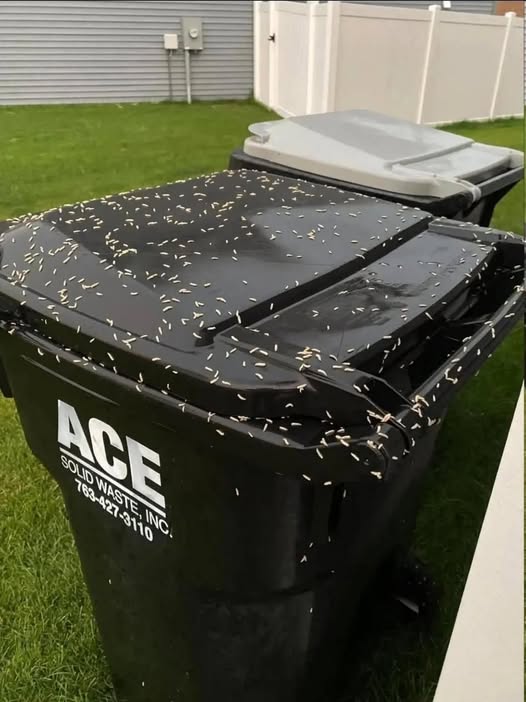
Learn how to prevent maggots from taking over your trash bin with simple cleaning, food-waste, moisture-control, and prevention tips that help keep garbage cans fresh and pest-free.
Few things are more unpleasant than opening the trash bin and discovering tiny white maggots crawling through the garbage.
The good news is that maggots don’t appear out of nowhere. They are fly larvae, and they usually show up when flies have access to moist food waste or other decomposing organic material. Once flies lay eggs, warm conditions can allow those eggs to develop quickly.
Fortunately, a few simple habits can make your trash bin much less attractive to flies.
Why Are Maggots Appearing in Your Trash Bin?
Maggots are the larval stage of flies.
Flies are attracted to decomposing food, meat scraps, fish, dairy products, pet waste, and other organic material. A warm, damp garbage bin provides an ideal environment for them.
The problem can become particularly noticeable during hot weather because higher temperatures speed up decomposition and insect development.
Even a small amount of food residue at the bottom of the bin can contribute to the problem.
1. Empty Food Waste Regularly
One of the easiest ways to prevent maggots is to avoid leaving food waste sitting around for days.
If your household produces food scraps, particularly meat or fish leftovers, consider putting them into the garbage shortly before collection rather than allowing them to remain in the bin for a long time.
The longer flies have access to decomposing food, the greater the opportunity they have to lay eggs.
2. Keep the Inside of the Bin Dry
Moisture makes garbage much more unpleasant—and can create better conditions for flies and other pests.
Before putting a new garbage bag into the bin, check the bottom for leaking liquid.
You can also place absorbent material inside the bag beneath wet food waste to help reduce leakage.
The goal isn’t to make the garbage completely dry; it’s simply to prevent liquid from collecting at the bottom of the container.
3. Seal Food Scraps Properly
Don’t leave exposed food sitting directly inside the trash can.
Wrap particularly smelly or wet scraps securely before placing them in the main garbage bag.
For especially problematic waste such as meat or fish scraps, keeping the waste tightly sealed can reduce odors and make it harder for flies to reach the food.
4. Clean the Bin After Emptying It
Sometimes the garbage bag isn’t the real problem.
A bag can leak, leaving small amounts of food residue underneath it. That residue can remain in the bin even after the garbage has been removed.
After emptying the container, wash it with hot water and detergent, scrub the bottom and sides, and rinse thoroughly.
Allow the bin to dry completely before putting in a new liner.
5. Keep the Lid Closed
A garbage bin with an open or poorly fitting lid gives flies easy access.
Whenever possible, keep the lid securely closed.
This simple step can make a significant difference because flies need access to the waste before they can lay eggs.
If the lid is damaged or doesn’t close properly, replacing it may be worthwhile.
6. Don’t Let Garbage Sit in Direct Sunlight
Heat accelerates decomposition and can make a garbage bin smell much stronger.
If possible, place the bin in a shaded, well-ventilated location rather than directly under the hot sun.
This won’t eliminate the problem by itself, but keeping the container cooler can help slow decomposition.
7. What Should You Do If Maggots Are Already There?
If you already have a maggot infestation, don’t simply add another garbage bag over the existing waste and hope the problem disappears.
First, carefully remove the garbage while avoiding direct contact with the larvae.
Then clean the empty bin thoroughly with detergent and water.
Pay particular attention to:
- The bottom of the container
- The inside walls
- The underside of the lid
- Areas around the lid hinges
- Any cracks or grooves where food residue may collect
After washing, allow the container to dry completely.
8. Don’t Mix Household Chemicals
When cleaning a garbage bin, never mix bleach with ammonia, acids, or other household cleaning chemicals.
Combining certain cleaning products can release dangerous gases.
Use one appropriate cleaning product at a time, follow its label instructions, and ensure good ventilation.
9. Reduce What Attracts Flies
Prevention becomes much easier when you reduce the things flies are looking for.
Keep food preparation areas clean, wipe up spills quickly, rinse food containers before disposing of them when appropriate, and don’t leave uncovered food or pet food sitting around.
A clean kitchen combined with a clean garbage bin gives flies fewer opportunities to establish themselves.
10. Consider Freezing Especially Problematic Food Scraps
For households that frequently throw away meat, fish, or other strongly odorous food scraps, one useful strategy is to keep those scraps sealed in the freezer until garbage-collection day, where practical and appropriate.
This can reduce odor and decomposition while the waste is waiting to be discarded.
Of course, food waste should be securely wrapped and kept separate from food intended for consumption.
A Simple Weekly Trash-Bin Routine
You don’t need an elaborate cleaning routine.
Once the garbage has been removed:
- Empty the entire bin.
- Check for leaking bags or food residue.
- Wash the inside with detergent and water.
- Rinse thoroughly.
- Let the bin dry completely.
- Put in a fresh garbage liner.
- Keep the lid closed between uses.
- Store the container away from direct sunlight when possible.
This simple routine can greatly reduce the conditions that attract flies.
What About Spraying Insecticide?
Insecticide isn’t always necessary.
If the underlying problem is exposed food waste, moisture, and an accessible garbage bin, simply spraying the container won’t solve the cause.
Cleaning the bin, removing food residue, sealing waste, and preventing flies from accessing the garbage are usually more important first steps.
If there is a persistent or unusually large infestation despite good sanitation, professional pest-control advice may be appropriate.
The Bottom Line
Maggots in a garbage bin are disgusting, but they are usually a sign that flies have found an accessible source of decomposing organic material.
The most effective approach is prevention:
keep food waste sealed, reduce moisture, empty garbage regularly, clean the bin thoroughly, keep the lid closed, and avoid excessive heat.
Once those conditions are removed, your trash bin becomes a much less attractive place for flies to lay their eggs.