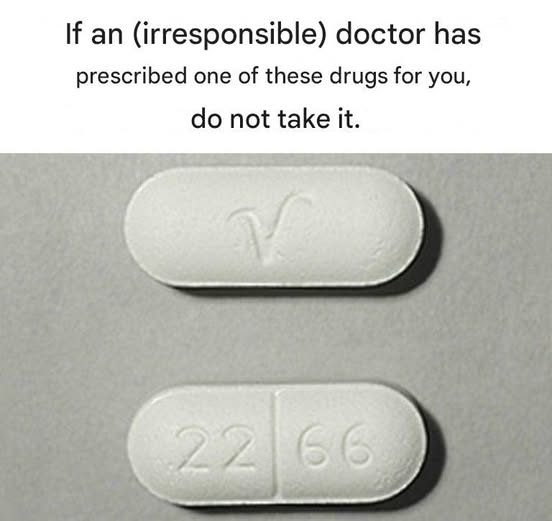
Some prescription medicines can cause serious side effects or interact with other drugs, alcohol, and supplements. Learn which medication groups deserve extra attention and why you should never stop a prescribed medicine without medical advice.
If a Doctor Ever Prescribed You One of These Medications, You Should Read This Immediately
Being prescribed a medication doesn’t mean the medicine is unsafe. Prescription drugs are used because, when appropriately selected and monitored, their potential benefits can outweigh their risks.
But every medication has potential side effects, and the risks can change depending on your age, other medicines, medical conditions, and how long you take it.
That’s why knowing what you’re taking—and what warning signs to watch for—is so important.
1. Benzodiazepines
Examples include alprazolam, lorazepam, diazepam, and clonazepam.
These medicines may be prescribed for anxiety, insomnia, seizures, and other conditions. However, the FDA warns about risks including misuse, addiction, physical dependence, and withdrawal.
Stopping a benzodiazepine suddenly can cause serious withdrawal reactions, including seizures.
Important: Never abruptly stop one without speaking with the prescribing clinician. These medicines often need to be reduced gradually under medical supervision.
2. Opioid Pain Medicines
Examples include oxycodone, hydrocodone, morphine, and codeine.
Opioids can be valuable for certain types of severe pain, but they also carry risks including respiratory depression, overdose, dependence, and addiction.
The danger can become particularly serious when opioids are combined with benzodiazepines or other medicines that depress the central nervous system.
Extreme sleepiness, unusual dizziness, or slow or difficult breathing can be emergency warning signs.
3. Blood Thinners
Medicines used to prevent or treat blood clots can be lifesaving, but their major concern is bleeding.
Depending on the medication, interactions with other drugs, supplements, or foods can also matter.
Never stop an anticoagulant simply because you feel well. Ask your doctor or pharmacist about the specific medication you’re taking and what signs of bleeding require urgent attention.
4. Anti-Inflammatory Pain Medicines
NSAIDs such as ibuprofen and naproxen are commonly used for pain and inflammation.
However, they aren’t risk-free. Depending on the individual and duration of use, NSAIDs can contribute to problems involving the stomach, kidneys, blood pressure, and cardiovascular system.
People who are older or who take multiple medications may need particular caution because medication interactions and changes in kidney or liver function can affect drug safety.
5. Medicines That Make You Sleepy
Several prescription and over-the-counter medicines can cause drowsiness, dizziness, confusion, or impaired coordination.
This can be particularly concerning in older adults because dizziness and sedation can contribute to falls.
If you suddenly feel unusually sleepy, confused, dizzy, or unsteady after starting a medication, tell your healthcare professional rather than simply assuming it’s normal.
6. Steroid Medicines
Corticosteroids such as prednisone can be extremely useful for controlling inflammation and treating numerous medical conditions.
But prolonged or high-dose use can have significant effects, including changes in blood sugar, blood pressure, bone health, mood, and immune function.
And just like some other medications, steroids should not always be stopped suddenly after prolonged use. The appropriate approach depends on the drug, dose, duration, and medical condition.
7. Medicines That Interact With Other Drugs
Sometimes the biggest danger isn’t one medication by itself—it’s the combination of several medicines.
A drug can interact with:
- Another prescription medicine
- An over-the-counter painkiller
- Vitamins
- Herbal supplements
- Alcohol
- Certain foods or drinks
For example, the FDA notes that grapefruit juice can affect how some medicines work.
This is why it’s important to give your doctor and pharmacist a complete list of everything you take.
Don’t Make This Dangerous Mistake
Never stop a prescription medication simply because you read that it has side effects.
Stopping some medicines suddenly can itself cause serious problems.
Instead, ask:
“Why am I taking this?”
“How long should I take it?”
“What side effects should I watch for?”
“Does it interact with any of my other medicines or supplements?”
“What should I do if I want to stop taking it?”
The FDA recommends following your healthcare professional’s instructions and discussing bothersome side effects or concerns rather than stopping medication on your own.
Keep an Updated Medication List
One of the simplest ways to reduce medication-related problems is to maintain a current list containing:
- Prescription medicines
- Over-the-counter medicines
- Vitamins
- Supplements
- Medication doses
- How often you take each medicine
Bring the list to medical appointments and show it to your healthcare professionals.
Read the Medication Guide
For medicines that require one, the FDA-approved Medication Guide provides information about how to take the medicine, serious side effects, common side effects, and important precautions.
Drug safety information can also change as new evidence becomes available. The FDA continues monitoring medicines after approval and can update warnings or prescribing information when new safety concerns emerge.
Final Takeaway
A medication being prescribed by a doctor doesn’t mean you should be afraid of taking it. It means you should understand what you’re taking and use it correctly.
Benzodiazepines, opioids, anticoagulants, NSAIDs, steroids, and sedating medicines all have important safety considerations—but the right medication can provide substantial benefits when appropriately prescribed and monitored.
Don’t stop a prescribed medicine based on a social-media warning. Ask your doctor or pharmacist about your specific medication, your personal risk factors, and any symptoms you’re experiencing.