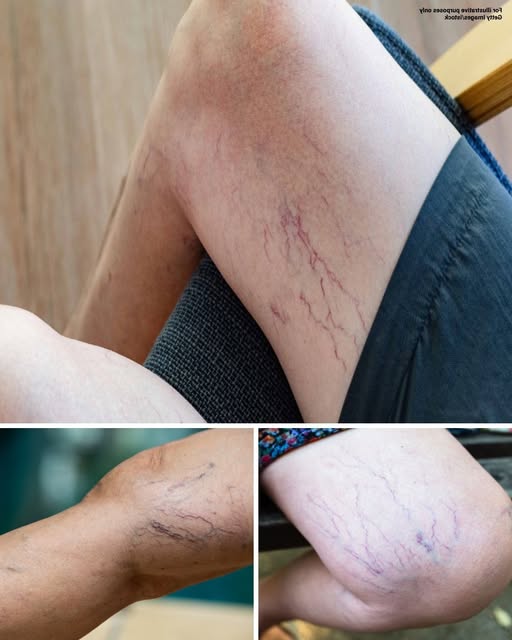
Purple or blue veins on the legs are often harmless, but they can sometimes be linked to varicose or spider veins. Learn the common causes, warning signs, and when to see a doctor.
If You Have Purple Veins on Your Legs, Here’s What They May Mean
Have you noticed purple, blue, or dark-colored veins appearing on your legs? You may be wondering whether they are simply a cosmetic change or a sign that something is happening beneath the skin.
Visible veins are extremely common. In many cases, they are related to spider veins or varicose veins and are not dangerous. However, changes in the appearance of leg veins can sometimes occur alongside symptoms that deserve medical attention.
The important thing is not to panic—but also not to ignore significant changes, particularly when pain, swelling, warmth, or skin changes are present.
Why Do Veins Look Purple or Blue?
Veins can appear blue, purple, or greenish through the skin because of the way light interacts with blood and surrounding tissue. The color of a visible vein does not necessarily mean that your blood is lacking oxygen or that your circulation is failing.
Some veins are naturally more visible because they are close to the surface of the skin.
Their appearance can also become more noticeable because of:
- Genetics
- Aging
- Spending long periods standing or sitting
- Hormonal changes
- Pregnancy
- Changes in body weight
- Increased pressure within the veins
- Varicose or spider veins
So, seeing a purple vein does not automatically mean that you have a serious health problem.
1. Spider Veins May Be the Reason
Spider veins are small, visible blood vessels that can look red, blue, or purple.
They often form branching or web-like patterns and commonly appear on the thighs, calves, or ankles.
Spider veins are usually considered a cosmetic concern, although some people may experience mild aching, burning, or discomfort in the affected area.
2. Varicose Veins Can Become Purple and Bulging
Varicose veins are larger veins that become enlarged and twisted. They may appear blue, dark purple, or flesh-colored and can sometimes bulge beneath the skin.
They commonly develop in the legs because the veins must return blood upward toward the heart against gravity.
Inside healthy leg veins are tiny valves that help keep blood moving in the correct direction. When these valves become weak or don’t work properly, blood can pool in the veins, increasing pressure and causing the veins to enlarge.
Some people with varicose veins have no symptoms. Others may experience:
- Aching or heaviness in the legs
- Throbbing or burning
- Swelling around the ankles
- Itching around a vein
- Leg discomfort after prolonged standing
3. Age Can Make Veins More Noticeable
As we get older, the walls and valves of veins can become less efficient. Skin also becomes thinner with age, which may make veins easier to see.
Therefore, noticing more visible veins over time does not necessarily indicate a dangerous condition.
However, a new and rapidly changing vein accompanied by pain or swelling should be evaluated.
4. Sitting or Standing for Long Periods Can Contribute
Your daily routine can affect how your legs feel.
Long periods of sitting or standing can make blood pool in the lower legs and may increase pressure in the leg veins. Some people notice more visible veins or swelling toward the end of the day.
Regular movement can help encourage blood flow. Simple activities such as walking and avoiding sitting or standing in exactly the same position for very long periods can be beneficial.
5. Pregnancy and Hormonal Changes Can Affect Veins
Pregnancy can make leg veins more noticeable because the growing uterus can place additional pressure on veins returning blood from the lower body.
Hormonal changes can also affect the walls of veins.
Visible veins during pregnancy are common, but sudden leg swelling, particularly when it affects one leg, should not be dismissed.
Are Purple Veins a Sign of Poor Circulation?
Not necessarily.
This is an important distinction because the appearance of a visible vein alone cannot tell you whether you have poor circulation.
Problems involving the arteries, veins, or blood clots can have very different symptoms and require proper medical assessment.
If you have persistent leg pain, swelling, skin changes, ulcers, or significant temperature or color changes in your feet or legs, speak with a healthcare professional.
Warning Signs You Shouldn’t Ignore
Purple or blue veins are often harmless, but seek medical advice if you notice symptoms such as:
Persistent leg swelling
Swelling around the ankle or leg can occur with varicose veins, but it has many possible causes and should be evaluated when persistent.
Pain or tenderness
A vein that becomes unusually painful, tender, or uncomfortable deserves attention.
Warmth or redness
A painful area that becomes warm, red, or inflamed should be assessed by a medical professional.
Skin changes
Long-standing vein problems can sometimes be associated with changes in the skin around the lower legs, including discoloration or sores.
A hard, painful vein
A vein that suddenly becomes hard and tender should be medically evaluated.
When Could It Be an Emergency?
One symptom that deserves particular attention is sudden swelling and pain in one leg, especially when accompanied by warmth or redness.
These symptoms can occur with a deep vein thrombosis (DVT), a blood clot in a deep vein. DVT requires prompt medical evaluation.
If leg symptoms occur together with sudden shortness of breath, chest pain, coughing up blood, fainting, or severe difficulty breathing, seek emergency medical care immediately because a clot can sometimes travel to the lungs and cause a pulmonary embolism.
What Can You Do About Visible Leg Veins?
If your veins are visible but aren’t causing symptoms, treatment may not be necessary.
For people experiencing discomfort associated with varicose veins, a healthcare professional can evaluate the veins and discuss appropriate options.
Lifestyle measures that may support healthy leg circulation include:
- Staying physically active
- Walking regularly
- Avoiding prolonged sitting or standing when possible
- Maintaining a healthy weight
- Elevating the legs when resting if recommended
- Following medical advice regarding compression stockings
Do not start compression therapy on your own if you have unexplained leg symptoms or possible arterial circulation problems. A healthcare professional can determine whether compression is appropriate.
The Bottom Line
Purple or blue veins on your legs do not automatically mean that something is seriously wrong. They may simply be visible superficial veins, spider veins, or varicose veins.
What matters is whether the veins are accompanied by pain, swelling, warmth, redness, skin changes, or sudden changes in one leg.
Pay attention to your body’s changes, but avoid diagnosing yourself based solely on the color of a vein. If you’re concerned about a new or changing vein—or if symptoms are persistent—talk with a healthcare professional.
Your legs can give you useful clues about your health, but a visible purple vein alone is not a diagnosis.
Medical disclaimer: This article is for general educational purposes and does not diagnose or treat any medical condition. Seek professional medical advice for persistent, worsening, or unexplained symptoms. Sudden leg swelling or pain with chest pain or difficulty breathing requires urgent medical attention.