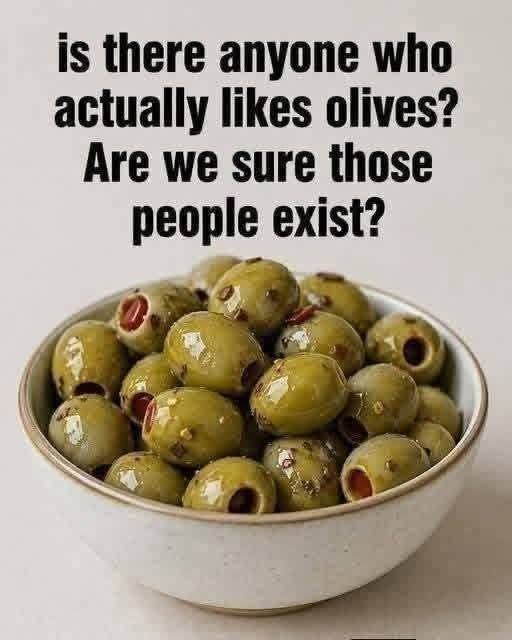
Is There Anyone Who Actually Likes Olives? Why These Little Fruits Have So Many Fans
Olives seem to be one of those foods people either absolutely love or completely avoid.
Their salty, slightly bitter, tangy flavor can be surprisingly strong the first time you try them. But for millions of people around the world, olives are a favorite addition to salads, pizzas, sandwiches, pasta dishes, appetizers, and countless Mediterranean recipes.
So what makes these little fruits so popular?
Why Do Olives Taste So Different?
Fresh olives straight from the tree aren’t usually eaten like an apple or grape. They contain naturally occurring compounds that make them intensely bitter.
That’s why olives are typically cured or processed before they’re eaten.
Depending on how they’re prepared, olives may be soaked in brine, treated with salt, fermented, or processed using other traditional methods. These processes reduce their bitterness and create the savory, salty flavor people associate with olives.
And that flavor can vary dramatically.
Green olives tend to have a firmer texture and a brighter, more grassy or bitter taste, while ripe black olives are often softer and milder. Different varieties can also have completely different flavor profiles.
Why Do Some People Become Olive Fans?
One reason may be simple exposure.
Taste preferences aren’t fixed. Foods that initially seem strange or unpleasant can become enjoyable after repeated exposure. As people become accustomed to the distinctive combination of saltiness, bitterness, acidity, and richness, olives can become surprisingly addictive—at least from a flavor perspective.
There is also the texture.
Some olives are firm and meaty, while others are soft and almost buttery. Certain varieties have a subtle fruity flavor, whereas others have a pronounced salty or earthy character.
Olives Are Fruits, Not Vegetables
Here’s a fun fact that often surprises people:
Olives are technically fruits.
They develop from the flower of the olive tree and contain a pit, which botanically places them in the fruit category.
They’re closely associated with Mediterranean cuisine, where olive trees have been cultivated for thousands of years.
What Makes Olives Nutritionally Interesting?
Olives contain monounsaturated fat, particularly oleic acid, as well as various antioxidant compounds.
They’re also relatively low in carbohydrates and can add flavor to meals without requiring large amounts.
However, there’s one thing to keep in mind: olives can be high in sodium, especially when they’re preserved in brine.
If you’re watching your salt intake, check the nutrition label and consider eating smaller portions or choosing lower-sodium varieties when available.
Green vs. Black Olives
The difference isn’t always as simple as two completely different types of fruit.
Green olives are generally harvested earlier, while many black olives are allowed to ripen further. Processing methods also affect their final color, texture, and flavor.
Green Olives
They often have:
- A firmer texture
- A stronger, more pronounced flavor
- A slightly bitter or grassy character
- A crisp bite
Black Olives
They are often:
- Softer
- Milder
- More mellow in flavor
- Less bitter
There are many varieties, however, so flavor can vary considerably.
Why Are Olives So Popular in Mediterranean Cooking?
Olives can add a powerful burst of flavor to otherwise simple foods.
A handful can transform a basic salad. Chopped olives can add depth to pasta sauces. They pair naturally with tomatoes, cheese, herbs, garlic, and olive oil.
They’re also commonly served as part of appetizer plates alongside cheese, vegetables, bread, and other small bites.
And of course, olives are the source of olive oil, one of the defining ingredients of Mediterranean cuisine.
How Many Olives Should You Eat?
There’s no universal number that everyone needs to eat each day.
Olives can fit into a balanced diet, but portion size matters because they’re concentrated in fat and many varieties contain substantial sodium.
Think of them as a flavorful addition rather than something you need to eat in large quantities.
Why Some People Still Can’t Stand Them
If you dislike olives, you’re certainly not alone.
Their bitterness, briny flavor, unusual texture, and strong aroma can be off-putting. Some people also have taste sensitivities that make bitter or fermented foods particularly unpleasant.
You don’t need to force yourself to like them.
A balanced diet can provide similar nutritional benefits from many other foods.
The Bottom Line
So, does anyone actually like olives?
Absolutely—and there are millions of olive lovers for good reason.
Their distinctive flavor, versatile texture, culinary history, and nutritional profile have made them a staple in cuisines around the world.
If you hated olives the first time you tried them, you might simply not have found the variety or preparation that suits your taste. Green, black, Kalamata, Castelvetrano, and many other varieties can taste remarkably different.
Sometimes, finding the right olive is all it takes to become a fan.
Meta Description
Why do so many people love olives? Discover why these small fruits taste so distinctive, how green and black olives differ, how they’re cured, and what makes them popular.