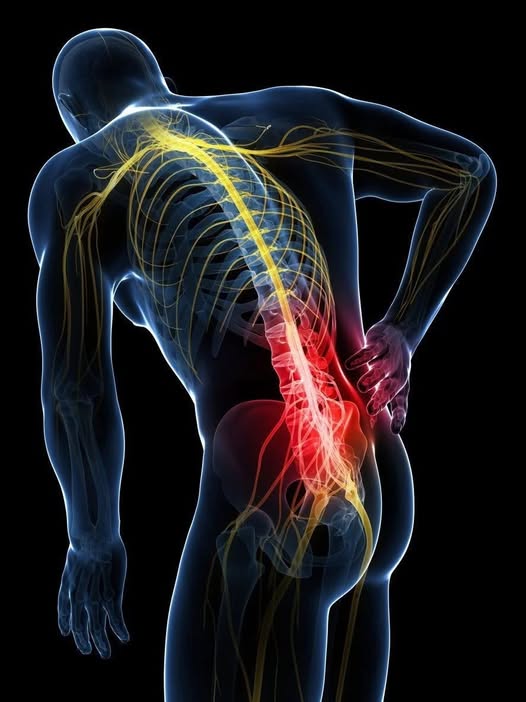
Lumbago is a common term for sudden or acute lower back pain. Learn about its symptoms, common causes, how long it usually lasts, treatment options, and warning signs that require medical attention.
Lumbago is an older term commonly used to describe lower back pain, particularly pain that starts suddenly. It isn’t a specific disease or diagnosis. The underlying cause can range from a strained muscle to irritation of a spinal joint or disc.
Common Symptoms of Lumbago
Acute lower back pain may feel like:
- A dull or aching pain in the lower back
- Sudden sharp or stabbing pain
- Muscle tightness or spasms
- Stiffness, particularly after sitting or resting
- Difficulty bending, standing, or walking normally
- Pain that becomes worse with certain movements
Sometimes lower back pain can extend into the buttocks or legs. When pain travels down the leg, especially with numbness, tingling, or weakness, nerve irritation such as sciatica may be involved.
What Usually Causes It?
Common triggers include:
- Lifting something heavy
- Twisting or moving suddenly
- Overuse or strenuous activity
- Poor conditioning or muscle weakness
- Prolonged sitting
- Minor muscle or ligament strain
However, not every episode has an obvious trigger.
How Long Does Acute Lower Back Pain Last?
Most uncomplicated episodes improve considerably within a few days to several weeks.
Many people recover without surgery or extensive treatment. Staying reasonably active during recovery is generally preferable to prolonged bed rest.
If pain isn’t improving after several weeks, keeps returning, or is interfering significantly with normal activities, a healthcare professional should evaluate it.
What Can Help?
For uncomplicated acute lower back pain, treatment may include:
Keep moving.
Gentle walking and normal daily activities, as tolerated, can help prevent stiffness. Avoid movements that clearly worsen the pain.
Use heat or cold.
A heating pad may help muscle tightness and spasms. Some people find an ice pack more comfortable during the first day or two after an acute strain. Protect the skin and avoid prolonged exposure.
Try gentle exercises.
As the pain settles, gentle stretching and strengthening can help restore movement and reduce the chance of recurrent problems.
Consider pain medication carefully.
Over-the-counter medicines such as acetaminophen or anti-inflammatory medications may help some people, but they’re not appropriate for everyone. People with kidney disease, stomach ulcers, certain cardiovascular conditions, pregnancy, or medication interactions should check with a healthcare professional before using NSAIDs such as ibuprofen or naproxen.
When Is Back Pain an Emergency?
Most back pain isn’t an emergency, but certain symptoms require prompt medical assessment.
Seek urgent medical attention if back pain occurs with:
- New loss of bladder or bowel control
- Numbness around the groin or inner thighs
- Significant or worsening weakness in the legs
- Severe pain following a major injury
- Fever or feeling seriously unwell
- Unexplained weight loss
- A history of cancer together with new severe back pain
These symptoms can sometimes indicate a more serious underlying problem.
The Bottom Line
Lumbago generally refers to acute lower back pain rather than a specific medical condition. In many cases, it improves with time, gentle activity, appropriate pain relief, and gradual return to normal movement.
The key is to avoid assuming that every episode is simply a pulled muscle. Persistent, worsening, recurrent, or unusual back pain deserves medical evaluation, particularly when neurological or systemic symptoms are present.