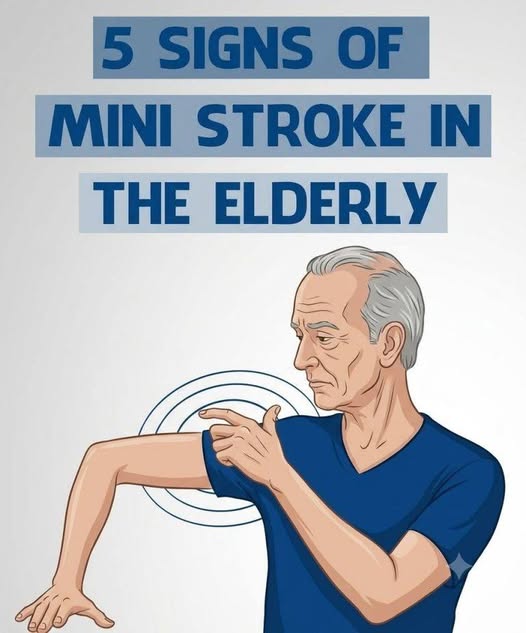
Mini-strokes, also called transient ischemic attacks (TIAs), can cause sudden symptoms that disappear quickly. Learn 9 warning signs and why urgent medical evaluation is essential.
A “mini-stroke” is commonly used to describe a transient ischemic attack (TIA). A TIA occurs when blood flow to part of the brain is temporarily disrupted, causing stroke-like symptoms that may resolve within minutes or hours.
The fact that symptoms disappear does not mean the event is harmless. A TIA can be a warning that a full stroke may occur soon.
9 Symptoms of a Possible Mini-Stroke
1. Sudden Numbness or Weakness
Sudden weakness or numbness—particularly on one side of the face, arm, or leg—is one of the most important warning signs.
2. Sudden Trouble Speaking
A person may suddenly have difficulty speaking, finding words, or understanding what others are saying.
3. Sudden Vision Changes
Temporary loss of vision, blurred vision, or double vision—especially when it appears suddenly—can be a warning sign.
4. Sudden Facial Drooping
One side of the face may suddenly appear uneven, particularly when the person smiles.
5. Sudden Trouble Walking
A TIA can cause sudden difficulty walking, dizziness, loss of balance, or poor coordination.
6. Sudden Severe Headache
A sudden, unusual, or extremely severe headache can occur with stroke and requires urgent assessment, particularly when accompanied by other neurological symptoms.
7. Sudden Confusion
Sudden confusion, difficulty understanding speech, or unusual behavior can indicate a neurological emergency.
8. Sudden Loss of Coordination
Unexpected difficulty controlling an arm or leg, reaching for objects, or coordinating movements may be a warning sign.
9. Sudden Difficulty Swallowing
Sudden trouble swallowing can occur with neurological problems and should be evaluated urgently, especially if accompanied by other stroke symptoms.
Remember FAST
A simple way to recognize common stroke symptoms is FAST:
- F — Face: Does one side of the face droop?
- A — Arms: Is one arm weak or numb?
- S — Speech: Is speech slurred or unusual?
- T — Time: Call emergency medical services immediately.
Even if the symptoms disappear after a few minutes, don’t simply wait and see what happens. A TIA requires urgent medical assessment because it can signal a higher risk of a subsequent stroke.
Don’t Drive Yourself
If stroke or TIA symptoms are happening now, seek emergency medical care rather than driving yourself to a hospital. Note when the symptoms started or when the person was last known to be well, because that information can be important to medical professionals.
Important: A TIA cannot be reliably diagnosed at home. Sudden neurological symptoms can have several causes, and only urgent medical evaluation can determine what happened.