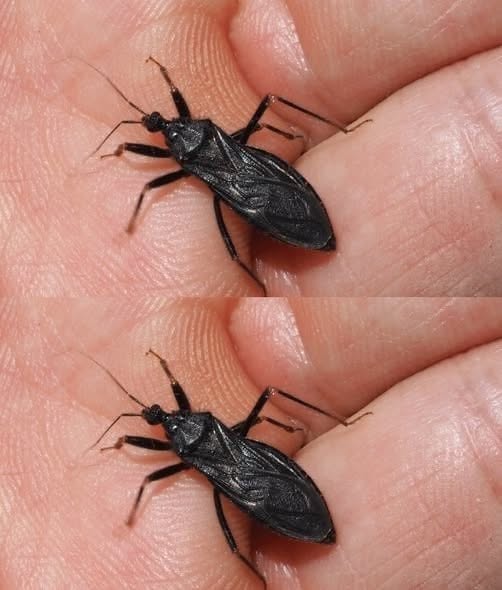
Finding an unfamiliar bug in your home is alarming enough—but seeing it bite a family member can make the situation even more frightening. If your father has just been bitten by an insect and you don’t know what it was, the first question is naturally: Is the bite dangerous?
The good news is that many household insect bites are relatively mild and cause temporary redness, itching, swelling, or irritation. However, some bites and stings can cause serious allergic reactions, become infected, or—in certain parts of the world—transmit disease.
Without seeing the insect, it is impossible to safely identify it from the bite alone. Different insects can cause very similar-looking marks. The safest approach is to monitor your father’s symptoms carefully and look for signs that require medical attention.
What Should You Do Immediately?
Start by gently washing the affected area with soap and clean water. This helps remove dirt, bacteria, and possible irritants from the skin.
If there is swelling, place a cold pack wrapped in a cloth over the area for around 10–20 minutes at a time. Do not put ice directly against the skin.
Try to prevent scratching. Scratching can break the skin and increase the chance of a secondary bacterial infection.
If the insect is still present, avoid touching it with bare hands. If it can be safely photographed without handling it, take a clear picture from several angles. A photograph can be much more useful for identification than trying to describe the insect from memory.
What Could Have Bitten Him?
There are many possibilities, especially inside a home. Common household pests include mosquitoes, fleas, bed bugs, ants, spiders, and various other insects.
Mosquitoes
Mosquito bites commonly appear as small, itchy, raised bumps. Several bites may occur on exposed areas such as the arms, legs, neck, or face.
Most mosquito bites are minor, although mosquitoes can transmit diseases in some regions.
Bed Bugs
Bed bug bites can produce itchy red bumps and sometimes appear in clusters or lines. Bites may not become noticeable immediately.
If several people in the household are developing unexplained itchy bites—particularly after sleeping—it is worth checking mattresses, bed frames, furniture seams, and other hiding places for evidence of bed bugs.
Fleas
Flea bites often cause small, intensely itchy spots, particularly around the ankles and lower legs. Pets can sometimes bring fleas indoors.
If there are dogs or cats in the home, check them and their sleeping areas for signs of fleas.
Ants
Some ants bite, while others can sting. Depending on the species, a bite or sting may cause localized pain, redness, swelling, or burning.
Spiders
Spider bites are often blamed for unexplained skin marks, but many suspected “spider bites” are actually caused by other insects or skin conditions.
If an actual spider was seen biting your father, safely photographing it may help with identification.
When Is an Insect Bite an Emergency?
The most important thing is not necessarily identifying the bug—it is recognizing dangerous symptoms.
Seek emergency medical help immediately if your father develops:
- Difficulty breathing
- Difficulty swallowing
- Swelling of the tongue, lips, mouth, or throat
- Widespread hives
- Severe dizziness or fainting
- Confusion or unusual weakness
- Rapidly worsening symptoms
- Severe vomiting
- Signs of a severe allergic reaction
A serious allergic reaction can happen after an insect bite or sting and can become life-threatening quickly.
What About Severe Swelling?
A small amount of swelling around a bite can occur as part of the body’s normal inflammatory response.
However, rapidly increasing swelling, severe pain, extensive redness, or swelling involving an entire limb deserves medical attention—especially if symptoms continue getting worse rather than improving.
The location also matters. A bite near the eye, mouth, or throat can be more concerning because swelling in these areas may interfere with important functions.
Watch for Signs of Infection
Sometimes the original bite is not the main problem. Scratching can damage the skin and allow bacteria to enter.
Contact a healthcare professional if the area becomes increasingly:
- Red
- Warm
- Painful
- Swollen
- Tender
Also watch for pus, red streaks spreading away from the bite, fever, or generally feeling unwell.
These symptoms can indicate an infection that may require treatment.
Don’t Assume Every Bite Is Poisonous
When people see an unfamiliar insect, it is easy to imagine the worst. Social media can make this even more confusing because dramatic photographs are often shared without reliable identification.
A red bump does not automatically mean that the insect was venomous or dangerous.
Many different bites, stings, skin irritations, and allergic reactions can look remarkably similar.
That’s why the insect itself—if it can be identified safely—is often more useful than the skin mark alone.
Take a Clear Photograph
If the insect is still around, don’t try to grab it.
Instead, take a close photograph from a safe distance. If possible, take:
- One photo showing the entire insect.
- One close-up of its body.
- A photo showing its size relative to a common object.
- A photo of the bite itself.
Good lighting can make identification much easier.
If the insect has already disappeared, describe its appearance: color, approximate size, number of legs, wings, body shape, where it was found, and whether the bite caused immediate pain or developed later.
Don’t Apply Random Household Chemicals
Avoid experimenting with bleach, strong disinfectants, pesticides, essential oils, or other harsh substances directly on the bite.
These products can irritate or burn the skin and may make the original problem harder to assess.
Simple first aid—cleaning the area, using a cold compress, and monitoring symptoms—is generally a better starting point for a mild bite.
What If He Feels Fine Right Now?
If your father has only a small amount of redness or itching and otherwise feels completely well, the situation may be minor.
Still, keep an eye on him for worsening symptoms, particularly during the first several hours after the bite.
If he develops unusual or rapidly worsening symptoms, seek medical care rather than waiting for the insect to be identified.
The Most Important Question Isn’t Always “What Bug Is This?”
When an unknown insect bites someone, identification is useful—but your father’s symptoms are more important than the insect’s name.
A harmless-looking insect can occasionally trigger a serious allergic reaction, while a frightening-looking insect may cause nothing more than temporary irritation.
So don’t panic, but don’t ignore significant symptoms either.
If you can safely photograph the insect, keep the picture available for a doctor or qualified pest professional. And if your father develops breathing problems, facial or throat swelling, fainting, or other signs of a severe allergic reaction, seek emergency medical help immediately.
Final Takeaway
An unidentified bug bite in the home is not automatically dangerous. Many household bites are temporary and can be managed with basic first aid. However, because the insect is unknown, it is important to monitor your father carefully.
If you have a clear photo of the insect or the bite, upload it. The appearance, size, location, and your father’s symptoms can help narrow down what may have happened—but a photograph cannot replace medical evaluation when serious symptoms are present.
Meta Description: Worried after an unknown bug bit your father at home? Learn what to do immediately, common household bite possibilities, warning signs, infection symptoms, and when to seek emergency medical help.