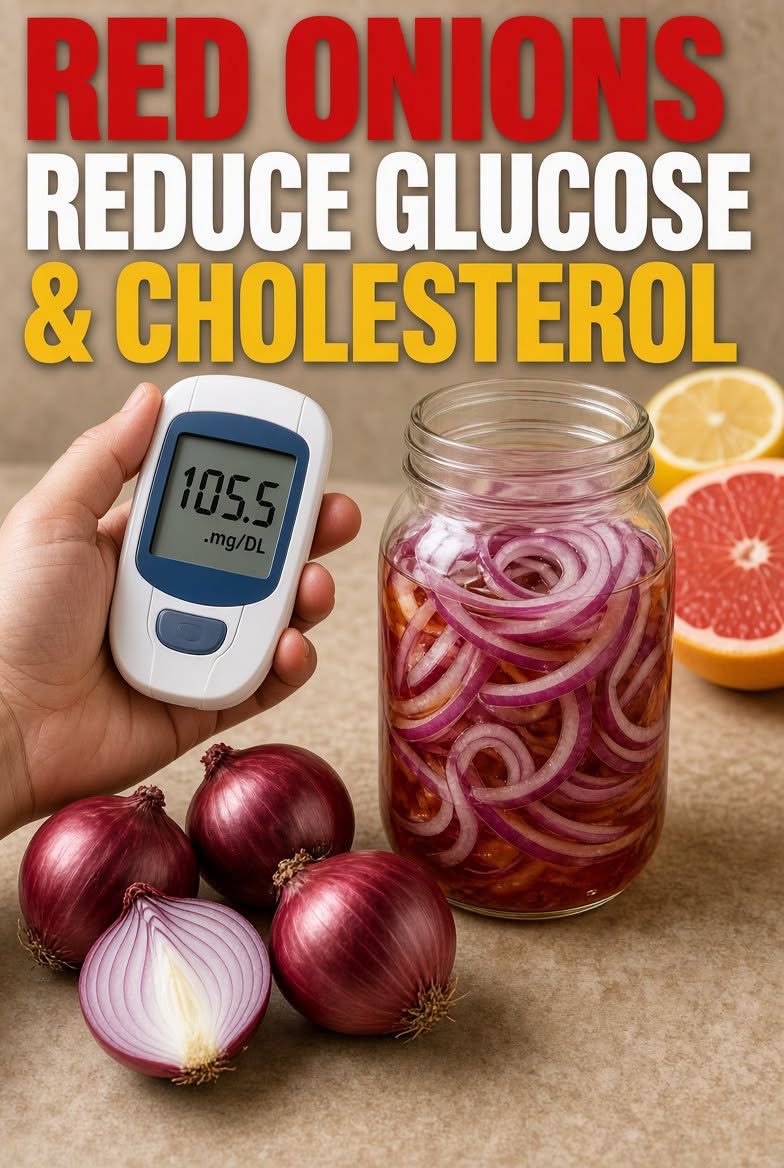
Red onions contain sulfur compounds and antioxidants that may support heart and metabolic health. Learn what the research says and try this simple red onion kitchen recipe.
Red onions are more than just a colorful addition to salads, sandwiches and cooked meals. They contain plant compounds that researchers have been studying for their potential effects on blood sugar, cholesterol and cardiovascular health.
You may have seen claims online suggesting that red onions can dramatically lower glucose or cholesterol, sometimes accompanied by a blood glucose reading such as 105.5 mg/dL.
But there is an important distinction between a food that may support healthy metabolic function and a food that can actually treat diabetes or high cholesterol.
Red onions can be part of a healthy diet, but they should not replace prescribed medication or medical treatment.
Why Are Red Onions Getting So Much Attention?
Red onions contain several naturally occurring compounds, including quercetin and sulfur-containing compounds.
Quercetin is a type of flavonoid with antioxidant properties. Red and purple onions are particularly interesting because their outer layers can contain significant amounts of these plant compounds.
Researchers have investigated onions and their compounds for possible effects on glucose metabolism, inflammation and cardiovascular health.
However, results from laboratory, animal and human studies are not enough to conclude that eating red onions alone will reliably lower blood sugar or cholesterol in everyone.
What About the 105.5 mg/dL Reading?
A blood glucose reading of 105.5 mg/dL cannot be interpreted properly without knowing when the test was taken.
For example, a fasting glucose result and a reading taken after eating have different meanings.
A single home glucose-meter reading also cannot diagnose diabetes.
If someone repeatedly gets elevated fasting glucose readings, it is better to discuss the results with a healthcare professional and consider appropriate laboratory testing such as fasting plasma glucose or HbA1c.
So, if you see a viral recipe claiming that red onions took someone’s glucose to exactly 105.5 mg/dL, remember that individual results do not prove that the recipe will produce the same result in another person.
Can Red Onions Help With Cholesterol?
This is another area where online claims can be exaggerated.
A healthy eating pattern that includes vegetables, fruits, whole grains, legumes, nuts and other minimally processed foods can support cardiovascular health.
Red onions can contribute to that pattern because they are relatively low in calories and provide fiber and beneficial plant compounds.
Some research has investigated onion-derived compounds and lipid metabolism, but this does not mean that eating a particular onion recipe will automatically reduce LDL cholesterol.
If your cholesterol is high, continue following the treatment and dietary advice given by your healthcare professional.
A Simple Red Onion Kitchen Recipe
If you want an easy way to include red onions in your diet, try this simple lemony red onion salad.
Ingredients
- 1 medium red onion
- 1 tablespoon fresh lemon juice
- 1 teaspoon extra-virgin olive oil
- A small handful of fresh parsley or coriander
- A pinch of black pepper
- A small pinch of salt
- Optional: cucumber and tomato
Directions
1. Slice the onion
Peel the red onion and slice it very thinly.
Thin slices make the onion easier to eat and allow the flavors to blend more quickly.
2. Reduce the sharpness
If raw onion is too strong for you, place the sliced onion in cold water for about 5–10 minutes. Drain thoroughly.
This can make the flavor milder while keeping the onion crisp.
3. Add lemon juice
Place the onion in a bowl and add fresh lemon juice.
Toss well and allow it to sit for several minutes.
4. Add the remaining ingredients
Add olive oil, black pepper and a small amount of salt.
You can also add chopped cucumber, tomato and fresh herbs to turn it into a more substantial salad.
5. Serve fresh
Serve it alongside grilled chicken, fish, beans, lentils or another balanced meal.
Why This Recipe Is a Better Choice Than a “Miracle” Onion Drink
Many social-media recipes recommend boiling onions, drinking concentrated onion water or consuming large quantities of raw onion in an attempt to rapidly lower glucose.
There is no need to treat red onions as a miracle medicine.
Using them as part of a balanced meal is a much more practical approach.
The overall meal matters. Pairing vegetables with protein, fiber-rich carbohydrates and healthy fats can generally be more useful for maintaining steadier blood glucose than focusing on one individual ingredient.
How to Include More Red Onion in Your Diet
You don’t have to eat raw onion every day to benefit from a healthy diet.
Try adding red onion to:
- Fresh salads
- Bean salads
- Lentil dishes
- Homemade salsa
- Vegetable omelets
- Grilled chicken
- Fish dishes
- Whole-grain sandwiches
- Homemade soups
- Roasted vegetables
If raw onions cause stomach discomfort or heartburn, cooked onions may be easier to tolerate.
A Word About Blood Sugar
Blood glucose naturally changes throughout the day.
It can be influenced by:
- What you have eaten
- How much you ate
- Physical activity
- Stress
- Sleep
- Illness
- Medications
- Hormonal changes
Because of this, one glucose-meter reading does not tell the whole story.
If you are monitoring your blood sugar at home, keep a record of readings and note whether each measurement was fasting, before a meal or after eating. This gives your healthcare professional much more useful information.
Don’t Stop Diabetes Medication
This point is especially important.
If you take insulin or diabetes medication, do not stop or reduce it because you started eating red onions.
Foods can support a healthy lifestyle, but they are not automatically substitutes for prescribed treatment.
Likewise, anyone with high cholesterol should not discontinue cholesterol-lowering medication without medical advice.
The Bottom Line
Red onions are a nutritious vegetable that can easily fit into a heart-healthy and balanced eating pattern. Their antioxidants and plant compounds make them an interesting subject of nutritional research.
But claims that red onions can “reduce glucose and cholesterol” dramatically or cure diabetes go beyond what the evidence can establish.
A reading such as 105.5 mg/dL should always be interpreted according to when and how the glucose was measured.
Rather than relying on a miracle recipe, enjoy red onions as part of balanced meals, stay physically active when appropriate, and keep track of your blood sugar and cholesterol according to your healthcare professional’s advice.