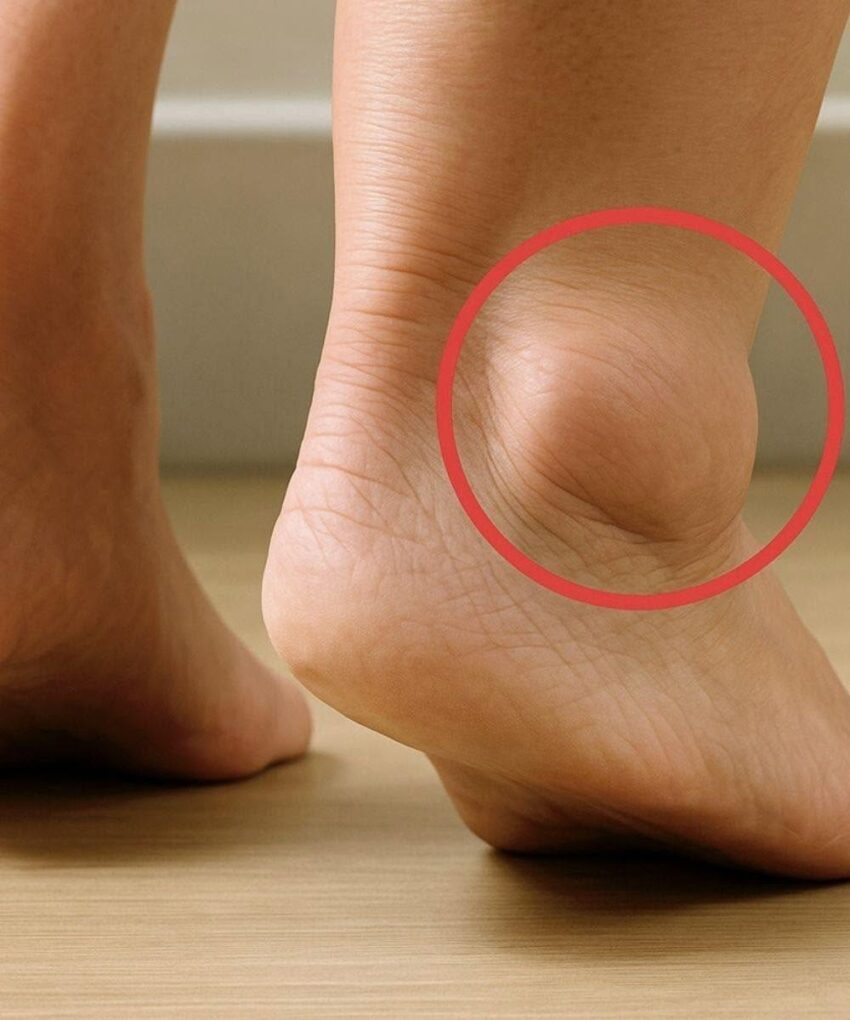
Swollen feet in older adults can result from inactivity, medications, circulation problems or underlying health conditions. Learn common causes, prevention tips and warning signs.
Swollen Feet in Older Adults: Common Causes and Prevention
Swollen feet and ankles are common in older adults, but swelling should not simply be dismissed as a normal part of aging. Sometimes it results from something relatively minor, such as spending too much time sitting or standing. In other cases, it can be a sign of an underlying medical condition that needs attention.
Understanding the possible causes—and knowing when swelling requires medical evaluation—can help older adults protect their mobility and overall health.
What Causes Swollen Feet in Older Adults?
Swelling, medically known as edema, occurs when excess fluid builds up in the body’s tissues. It can affect one or both feet, ankles and lower legs.
Several factors can contribute to swelling.
1. Sitting or Standing for Long Periods
Remaining in the same position for extended periods can cause fluid to accumulate in the lower legs and feet. Gravity makes it harder for blood and fluid to return efficiently toward the heart.
Older adults who spend much of the day sitting may notice swelling that becomes worse later in the day and improves after resting or elevating the legs.
2. Poor Circulation
Circulation can become less efficient with age. Problems affecting the veins can allow blood to pool in the lower legs, increasing pressure in the surrounding tissues and contributing to swelling.
Chronic venous insufficiency is one condition that can cause persistent swelling around the ankles and lower legs. Other symptoms may include aching, heaviness, skin changes or visible veins.
3. Heart Problems
Swollen feet and ankles can sometimes be associated with heart failure. When the heart cannot pump blood effectively, fluid may accumulate in different parts of the body, including the legs.
Swelling associated with heart problems may occur alongside symptoms such as shortness of breath, fatigue, rapid weight gain or difficulty breathing when lying down.
New or worsening swelling accompanied by breathing difficulties should be evaluated promptly.
4. Kidney Disease
The kidneys help regulate fluid and salt levels in the body. When kidney function is impaired, the body may retain excess fluid, potentially causing swelling in the feet, ankles, legs or other areas.
Kidney-related swelling may occur with other symptoms, including changes in urination, fatigue or changes in blood pressure.
5. Liver Disease
Certain liver conditions can contribute to fluid accumulation in the abdomen and lower limbs.
Liver disease may also cause symptoms such as fatigue, loss of appetite, abdominal swelling or yellowing of the skin or eyes. Persistent unexplained swelling deserves medical assessment rather than self-treatment.
6. Medications
Some medications can cause swelling as a side effect. These may include certain medicines used to treat high blood pressure, diabetes and other conditions.
Older adults often take multiple medications, so it is important to discuss new swelling with a doctor or pharmacist rather than stopping a prescribed medicine on your own.
7. Injury or Infection
A sprain, fracture or other injury can cause swelling in one foot or ankle.
An infection can also produce localized swelling, often accompanied by redness, warmth, tenderness or fever.
Sudden swelling affecting only one leg should receive particular attention because it can sometimes indicate a blood clot, known as deep vein thrombosis (DVT).
When Is Swelling an Emergency?
Not every case of swollen feet is an emergency, but certain symptoms require urgent medical attention.
Seek urgent medical care if swelling is accompanied by:
- Sudden shortness of breath
- Chest pain or pressure
- Difficulty breathing
- Coughing up blood
- Sudden swelling in one leg
- Significant leg pain or tenderness
- A leg that becomes unusually warm or red
- Sudden or rapidly worsening swelling
These symptoms can sometimes indicate serious conditions such as a blood clot or heart or lung problems.
How Can Older Adults Help Prevent Swollen Feet?
Prevention depends on the underlying cause, but several healthy habits may help reduce swelling in some people.
Stay Physically Active
Regular movement helps encourage blood flow from the legs back toward the heart.
Walking, gentle stretching and other activities appropriate for an individual’s physical abilities can be useful. Even getting up periodically during long periods of sitting can help.
Elevate the Legs
When resting, elevating the feet and legs can help reduce fluid accumulation caused by prolonged sitting or standing.
Try supporting the legs with pillows so the feet are raised comfortably. People with heart or other medical conditions should ask their healthcare professional whether particular positioning is appropriate for them.
Avoid Sitting in One Position for Too Long
If you spend a lot of time sitting, move your ankles and feet periodically and stand or walk when it is safe to do so.
Simple ankle movements can help keep the lower legs active during periods of prolonged sitting.
Watch Your Salt Intake
Excess sodium can contribute to fluid retention in some people. Reducing highly processed and heavily salted foods may help support healthy blood pressure and fluid balance.
However, people with certain medical conditions may have individualized dietary requirements, so major dietary changes should be discussed with a healthcare professional.
Wear Comfortable Shoes
Shoes that are too tight can make swollen feet uncomfortable and may cause pressure points or skin problems.
Choose comfortable footwear with adequate room for the feet, particularly if swelling tends to increase later in the day.
Follow Medical Treatment
If swelling is caused by a medical condition, treating the underlying problem is often more important than simply trying to reduce the swelling.
A doctor may recommend specific treatments depending on the cause. Do not start or stop diuretics (“water pills”) without medical advice.
Should Compression Socks Be Used?
Compression stockings can help some people with swelling related to circulation problems, particularly chronic venous insufficiency.
However, they aren’t appropriate for everyone. People with certain circulation problems or other medical conditions may need evaluation before using compression garments.
If you’re considering compression socks for persistent swelling, ask a healthcare professional which type and compression level is appropriate.
When Should You See a Doctor?
Make an appointment with a healthcare professional if:
- Swelling persists or repeatedly returns
- It gradually gets worse
- Only one foot or leg is swollen without an obvious explanation
- The skin becomes red, painful or unusually warm
- You develop unexplained weight gain
- You have known heart, kidney or liver disease
- Swelling begins after starting a new medication
A healthcare professional may review your medications, examine your legs and circulation, and order blood tests or other investigations if necessary.
The Bottom Line
Swollen feet are common among older adults, but persistent or unexplained swelling should not automatically be attributed to aging. It may result from inactivity, circulation problems, medications or an underlying heart, kidney or liver condition.
Staying active, avoiding prolonged sitting, elevating the legs when appropriate and maintaining a healthy diet can help in some cases. Most importantly, sudden, painful or one-sided swelling—or swelling accompanied by breathing problems or chest pain—requires prompt medical attention.