Looking for a simple homemade weed killer without harsh commercial chemicals? Learn how vinegar-based weed control works, how to use it safely, and what to avoid.
Unwanted weeds can quickly take over driveways, sidewalks, patios, and garden paths. If you’re looking for a simpler alternative to commercial weed killers, you may have heard about homemade vinegar-based solutions.
These mixtures can be useful for spot-treating unwanted weeds, particularly young weeds growing in cracks and other areas where you don’t want vegetation. However, they aren’t completely harmless, and they don’t work equally well on every type of weed.
A Simple Homemade Weed Killer
One of the simplest options is household white vinegar used as a spot treatment.
Vinegar contains acetic acid, which can damage plant tissue when it comes into direct contact with the leaves. Because it works primarily by contact, the visible foliage of small weeds may begin to wilt relatively quickly in warm, sunny conditions.
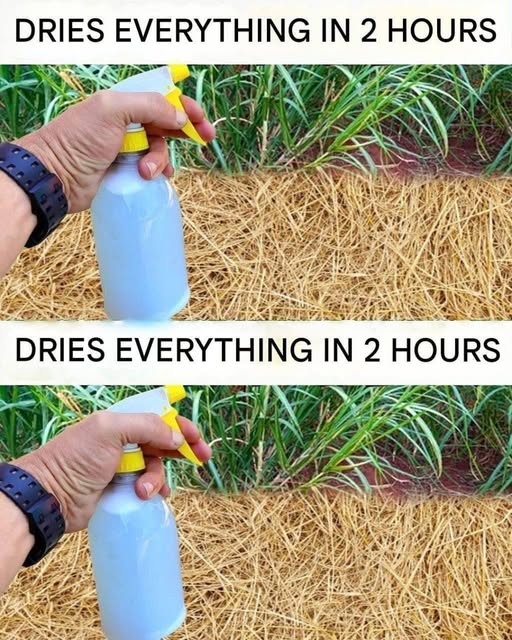
However, the exact speed depends on the weed, weather, vinegar concentration, and how thoroughly the plant is covered. There is no reliable two-hour guarantee.
How to Apply It
For weeds growing in places such as pavement cracks or gravel areas:
- Choose a dry, calm day.
- Apply the vinegar directly to the weed’s leaves.
- Thoroughly wet the foliage without creating unnecessary runoff.
- Avoid spraying nearby plants that you want to keep.
- Allow the treated area to dry.
- Recheck the weeds after several days.
Some established perennial weeds may require repeated treatment because their roots can survive after the leaves are damaged.
Why Vinegar Can Work
Acetic acid can damage plant cells when it comes into contact with foliage. This can cause the leaves to lose moisture and eventually turn brown or wilt.
The important limitation is that vinegar is generally not a systemic herbicide. In other words, damaging the leaves doesn’t necessarily kill the entire root system.
That’s why young annual weeds can be easier to control than deep-rooted perennial weeds.
What About Adding Salt?
You may see homemade recipes recommending a combination of vinegar and salt.
Although salt can damage vegetation, adding it to soil can create a different problem: salt can accumulate and make the soil less suitable for plants.
For that reason, salt-based weed killers aren’t a good choice for areas where you eventually want to grow flowers, vegetables, herbs, or grass.
If you’re treating cracks in pavement where you don’t want anything growing, the situation is different—but care should still be taken to prevent runoff into garden beds or nearby soil.
Don’t Spray Your Favorite Plants
A homemade weed killer doesn’t know the difference between a weed and a plant you want to keep.
Vinegar can damage or kill desirable vegetation if it lands on the leaves. Avoid windy conditions and use a targeted application rather than spraying large areas indiscriminately.
Be particularly careful around:
- Flowers
- Vegetable gardens
- Fruit plants
- Lawn grass
- Young seedlings
- Ornamental plants
Choose the Right Location
Homemade vinegar treatments are most appropriate for non-crop areas where vegetation is unwanted, such as cracks between paving stones or some gravel surfaces.
They’re not ideal for blanket-spraying a lawn or garden because desirable plants can be damaged too.
A Safer Long-Term Approach
For persistent weeds, removing the plant mechanically can sometimes be more effective than repeatedly spraying it.
Pulling or digging weeds out by the roots, using mulch in garden beds, and keeping bare soil covered can help reduce future weed growth.
For larger infestations, a properly labeled commercial herbicide may also be an option. Always follow the product label and keep children and pets away from treated areas according to the instructions.
Final Thoughts
A simple vinegar-based treatment can be a useful option for spot-treating small weeds, particularly on hard surfaces where you don’t want vegetation.
But homemade doesn’t mean completely risk-free, and claims that one recipe will “dry everything in two hours” are exaggerated. Results vary considerably depending on the plant and conditions.
For the best results, use targeted treatment, protect desirable plants, avoid unnecessary soil contamination, and combine weed control with prevention.