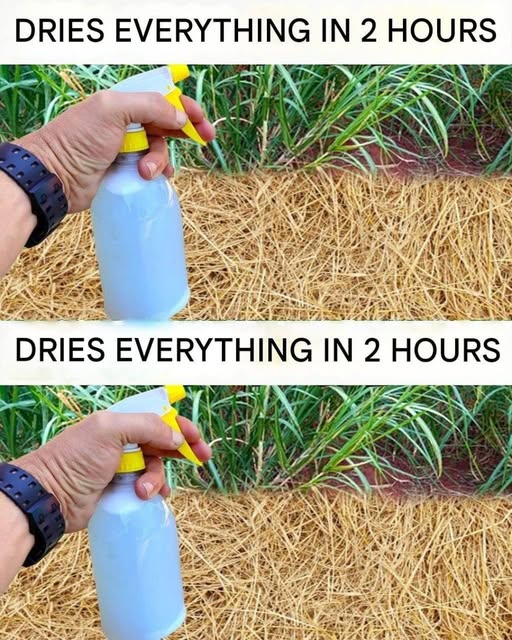
Looking for a simple homemade weed killer without harsh herbicides? Learn how vinegar and dish soap can help dry out unwanted weeds, how to apply the mixture safely, and where this method works best.
The Best Homemade Weed Killer: No Harsh Herbicides Needed
Weeds can seem to appear overnight, pushing through cracks in driveways, spreading across paths, and competing with plants in garden beds.
If you’re looking for a simple homemade alternative to commercial weed killers, a mixture made with vinegar and a small amount of dish soap can help dry out the leaves of many young, actively growing weeds.
It isn’t a magic solution, and it won’t reliably eliminate every weed permanently. But when used carefully, it can be useful for small areas such as cracks in paving, walkways, and gravel.
What You’ll Need
- 1 liter of white vinegar
- 1 teaspoon of liquid dish soap
- A clean spray bottle
- Protective gloves
The vinegar helps remove moisture from the plant’s foliage, while the dish soap helps the liquid spread and stick to the leaves.
How to Make It
Pour the vinegar into the spray bottle and add the dish soap.
Close the bottle and gently mix it. Avoid shaking aggressively, since excessive foam makes the mixture harder to spray.
Use the solution soon after preparing it.
How to Apply It
Choose a dry, sunny day when rain isn’t expected for several hours.
Spray the mixture directly onto the leaves of the unwanted weed, aiming for good coverage without unnecessarily soaking surrounding soil or plants.
Young weeds with relatively small root systems are generally easier to control than large, established perennial weeds.
You may notice leaves becoming limp, dry, or brown as the treatment affects the foliage. The speed of visible results depends on the weed, weather, concentration, and growing conditions.
Why It Doesn’t Always Kill the Roots
This is the part many homemade weed-killer recipes leave out.
Vinegar-based sprays primarily affect the plant tissue they contact. Large perennial weeds can have extensive roots that survive the treatment and produce new growth later.
If a weed comes back, repeated removal or another appropriate weed-control method may be necessary.
For persistent weeds, physically removing the roots can sometimes be more effective than repeatedly spraying the leaves.
Don’t Spray Your Favorite Plants
A homemade weed killer doesn’t know the difference between a weed and a plant you want to keep.
Vinegar can damage or kill desirable plants if it lands on their leaves. Avoid spraying near flowers, vegetables, herbs, lawns, shrubs, or young trees unless you can completely protect them.
For garden beds, hand-pulling, mulching, or other targeted methods may be safer options.
What About Salt?
Many recipes recommend adding salt to homemade weed killers.
It’s better to be cautious with this approach. Salt can remain in the soil and make it difficult for other plants to grow. It can also move into areas where you don’t want it.
For this reason, a vinegar-and-soap mixture is preferable for occasional spot treatment where appropriate, while avoiding unnecessary soil contamination.
Where This Method Works Best
A vinegar-based spray can be particularly useful for weeds growing in places where you aren’t trying to grow plants, such as:
- Cracks in concrete
- Driveway edges
- Gravel paths
- Patio gaps
- Areas around paving stones
Use extra care around drainage areas and wherever runoff could reach desirable vegetation.
Safety First
Even though this recipe uses common household ingredients, “natural” doesn’t automatically mean harmless.
Wear gloves and avoid getting the spray in your eyes or on your skin. Keep children and pets away from treated areas until the spray has dried.
Never mix vinegar with bleach or other household chemicals. Dangerous fumes can result from incompatible cleaning products.
The Bottom Line
A simple mixture of white vinegar and a small amount of dish soap can help dry out many young weeds without using a conventional herbicide.
However, claims that homemade weed killer will permanently destroy every weed in exactly two hours are unrealistic. Results vary, and established perennial weeds may grow back because their roots remain alive.
For the best long-term results, combine targeted treatment with hand-pulling, regular trimming, and mulch or other weed-prevention methods.