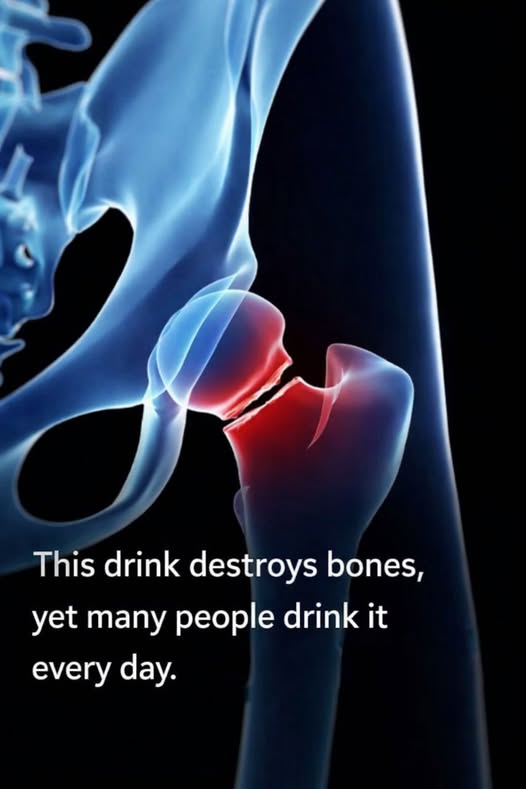
Discover five types of drinks that may negatively affect bone health when consumed frequently, including sugary sodas, excessive alcohol, highly caffeinated beverages, and drinks that can displace calcium-rich choices from your diet.
The Five Drinks That May Be Harmful to Your Bones, According to Health Experts
We often think about calcium, vitamin D, exercise, and healthy eating when discussing strong bones. But what you drink regularly can also influence your overall bone health.
Not every drink on this list needs to be completely avoided. The bigger concern is frequent or excessive consumption, particularly when these beverages replace nutritious drinks or contribute to poor overall nutrition.
Here are five types of drinks worth limiting if you’re trying to support strong bones as you age.
1. Sugary Sodas
Regular soft drinks are one of the easiest beverages to overconsume.
They typically contain substantial amounts of added sugar but provide little nutritional value. Drinking them frequently may also displace healthier choices such as milk or fortified alternatives that provide calcium and vitamin D.
Some studies have also observed an association between higher intake of certain carbonated soft drinks and lower bone mineral density, although this doesn’t mean that every soda directly causes bone loss.
Better choice: Water, sparkling water, or a calcium- and vitamin-D-fortified beverage.
2. Excessive Alcohol
Heavy alcohol consumption can negatively affect bone health in several ways.
Excessive alcohol may interfere with calcium and vitamin D metabolism and can affect the cells responsible for building and maintaining bone. Heavy drinking is also associated with a greater risk of falls and fractures.
That doesn’t mean an occasional drink automatically damages your bones. The concern is primarily regular heavy alcohol consumption.
3. Energy Drinks
Energy drinks can contain large amounts of caffeine and added sugar.
The relationship between caffeine and bone health is complicated. Moderate caffeine consumption isn’t generally considered a major threat to healthy bones when calcium intake is adequate. However, very high caffeine intake, particularly when combined with poor nutrition, may be a concern.
Energy drinks can also contain substantial amounts of sugar, making them a poor everyday replacement for water or nutritious beverages.
4. Excessive Caffeinated Beverages
Coffee and tea aren’t automatically bad for your bones.
The concern is excessive caffeine intake, particularly if you’re consuming large quantities while getting too little calcium from your diet.
Caffeine can modestly increase calcium loss through urine, but for most people this effect can be offset by adequate calcium intake.
So you don’t necessarily need to give up your morning coffee. Instead, pay attention to your total caffeine intake and make sure your diet provides enough calcium.
5. Sugary Fruit Drinks and Sweetened Beverages
Fruit-flavored drinks, sweetened iced teas, punches, and similar beverages can contain a surprising amount of added sugar while offering little of the nutrients your bones need.
Even drinks marketed as “fruit” beverages aren’t necessarily equivalent to eating whole fruit.
Replacing these drinks with water or nutrient-rich options can reduce added-sugar intake and leave more room in your diet for foods that support bone health.
What Should You Drink Instead?
For most people, water should be the primary everyday beverage.
Depending on your dietary needs, other useful choices can include:
- Plain or low-sugar milk
- Calcium- and vitamin-D-fortified plant-based milk
- Water or sparkling water
- Unsweetened tea
- Limited amounts of coffee
Remember that strong bones depend on much more than beverages. Adequate calcium and vitamin D, sufficient protein, regular weight-bearing exercise, muscle-strengthening activity, and avoiding smoking all play important roles.
The Bottom Line
You don’t have to fear one particular drink or completely eliminate coffee or soda to protect your bones. The bigger issue is your overall pattern of consumption.
Frequently drinking large amounts of sugary beverages, consuming excessive alcohol or caffeine, and replacing nutritious drinks with low-nutrient options can make it harder to maintain a bone-supportive diet.
Small changes—such as drinking more water and choosing calcium- and vitamin-D-rich beverages when appropriate—can be a practical step toward healthier bones.