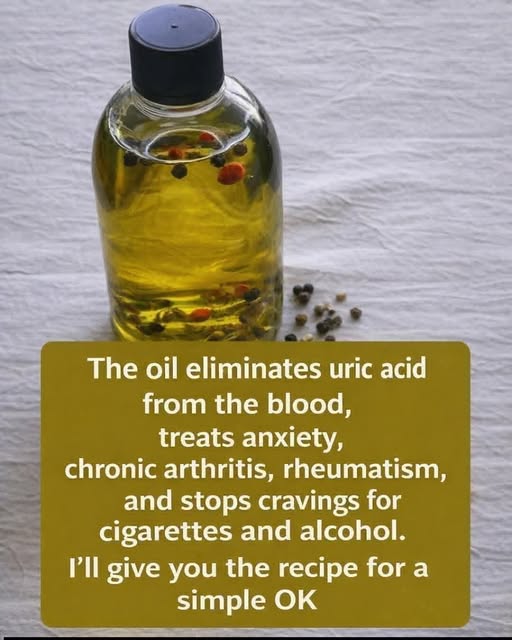
Discover why some natural oils are called “miracle oils,” what they may do for skin and hair, how to use them safely, and what the evidence really says.
The Miracle Oil: Why This Simple Natural Oil Has Become So Popular
For generations, people have turned to natural oils as simple ways to moisturize the skin, condition the hair, massage tired muscles, and add nourishment to everyday beauty routines.
One particular oil is often described as a “miracle oil” because of how many different ways people use it.
But while the name sounds impressive, it is important to separate traditional uses and reasonable benefits from exaggerated claims. Natural does not automatically mean risk-free, and no single oil can fix every health or beauty problem.
So what makes an oil worthy of the nickname?
Why People Call It a “Miracle Oil”
The phrase usually comes from the fact that one oil can have several practical uses.
Depending on the specific oil, people may use it for:
- Dry or rough skin
- Hair and scalp care
- Cuticle and nail care
- Massage
- Moisturizing dry areas
- Removing makeup or cosmetics
- Adding softness to hair
- Protecting the skin from excessive dryness
The appeal is simple: instead of buying several specialized products, people can sometimes use one versatile oil for multiple purposes.
A Natural Moisturizer for Dry Skin
One of the most common uses of natural oils is moisturizing.
Oils can help reduce the amount of water lost from the surface of the skin, leaving it feeling softer and smoother.
For particularly dry areas such as elbows, knees, hands and heels, applying a small amount after bathing can help lock in moisture.
A useful tip is to apply oil while the skin is still slightly damp rather than waiting until it becomes completely dry.
But More Isn’t Always Better
Using a large amount of oil does not necessarily provide better results.
Too much can leave the skin greasy and, depending on the oil and the individual, may contribute to clogged pores or irritation.
Start with a small amount and see how your skin responds.
Can It Help Your Hair?
Natural oils are also popular in hair-care routines.
Some oils can coat the hair shaft, reducing friction and helping hair feel smoother and more manageable. This can make dry or frizzy hair appear healthier.
A small amount can be worked through the lengths and ends of the hair before washing.
People with oily scalps may prefer applying oil primarily to the hair lengths rather than directly onto the scalp.
The Overnight Oil Trick
One popular method is an overnight oil treatment.
Apply a small quantity to the hair, concentrating on dry ends. Leave it for a limited period or overnight if your hair and scalp tolerate it, then shampoo thoroughly.
However, overnight treatments aren’t necessary for everyone. A shorter treatment can provide a similar conditioning effect without leaving the scalp or pillow excessively oily.
What About the Face?
This is where some caution is important.
Although oils can soften dry skin, not every facial skin type reacts well to every oil.
If you have oily or acne-prone skin, a heavy oil may feel uncomfortable or potentially worsen breakouts.
Before applying a new oil to your entire face, test a small area first.
If redness, itching, burning or swelling develops, discontinue use.
A Simple Foot-Care Routine
Dry heels are another reason people turn to natural oils.
For a simple nighttime routine:
- Wash your feet with warm water.
- Pat them dry.
- Apply a small amount of moisturizing oil to dry areas.
- Massage gently.
- Put on clean cotton socks.
This can help soften dry skin when used consistently.
However, severely cracked, painful or bleeding heels may require more than an oil-based home routine.
Does It Have “Healing” Powers?
This is where viral articles often go too far.
Calling an oil a “miracle cure” can make it sound as though it can treat diseases, reverse aging, eliminate infections or replace medical treatment.
There isn’t one natural oil that can legitimately do all of these things.
An oil may have useful cosmetic, moisturizing or conditioning properties, but that is very different from proving that it can cure a medical condition.
If you have persistent skin problems, hair loss, infection, severe irritation or another concerning symptom, it’s better to seek professional medical advice rather than relying on an oil alone.
How to Choose a Good Oil
If you’re purchasing an oil for personal care, pay attention to the label.
Look for:
- A clearly identified ingredient
- Minimal unnecessary additives
- Appropriate packaging
- A reputable manufacturer
- An expiration or best-before date
- Instructions for intended use
If the product is intended for cooking, don’t automatically assume it is formulated or tested for cosmetic use—and vice versa.
Always Patch-Test First
Even natural oils can cause irritation or allergic reactions in some people.
Before using a new product extensively, apply a small amount to a limited area of skin and monitor the area.
If you develop significant redness, itching, swelling or burning, wash the area and stop using the product.
The Bottom Line
The reason some oils earn the nickname “miracle oil” isn’t necessarily because they perform miracles.
Their real appeal is their versatility.
A suitable natural oil may help moisturize dry skin, condition hair, soften rough areas and become a useful part of a simple self-care routine.
The key is to use it realistically: an oil can be a helpful beauty and moisturizing product, but it shouldn’t be treated as a cure-all.
Sometimes the most useful “miracle” is simply finding one inexpensive, multipurpose product that works well for your particular skin and hair needs.