Sleeping with damp or wet feet can leave your skin irritated and create a warm, moist environment where fungal infections may thrive. Learn how to protect your feet overnight.
sleeping with wet feet, sleeping with damp feet, wet feet at night, athlete’s foot, foot fungus, dry cracked feet, foot skin care, fungal foot infection, healthy feet
Your Feet May Need More Attention at Night
After a shower or washing your feet before bed, it can be tempting to get straight into bed without completely drying them.
But keeping your feet damp for long periods isn’t a good habit for your skin.
Moisture itself doesn’t automatically cause an infection. However, when the skin stays warm and damp for extended periods, it can create conditions that favor fungal growth and irritation. Fungi responsible for athlete’s foot thrive in warm, moist environments.
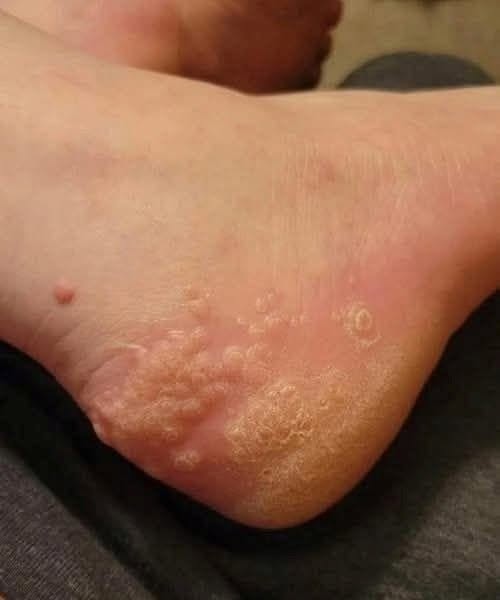
The photograph associated with this topic shows dry, peeling and thickened-looking skin around the heel and sole. Several conditions can produce a similar appearance, so a photograph alone cannot confirm that the problem is caused by sleeping with wet feet.
1. Moisture Can Encourage Fungal Growth
One of the biggest concerns with chronically damp feet is athlete’s foot, medically known as tinea pedis.
Athlete’s foot is a fungal infection that can cause:
- Itching
- Peeling skin
- Scaling
- Cracking
- Burning or stinging
- Redness or swelling
- Blisters
- Dry, scaly skin on the soles and sides of the feet
The infection often develops between the toes, although it can also affect the bottoms and sides of the feet.
Importantly, sleeping with wet feet doesn’t mean you will automatically develop athlete’s foot. The fungus generally needs an opportunity to grow, and exposure can occur through contaminated floors, towels, footwear or close contact with an infected person.
2. Your Skin May Become Softer and More Vulnerable
When skin remains wet for an extended period, its protective barrier can become less resilient.
If your feet are repeatedly exposed to moisture overnight—especially between the toes—the skin may become irritated or develop small cracks.
Those cracks matter because damaged skin provides an easier entry point for bacteria and other microorganisms.
Athlete’s foot itself can also cause tiny cracks in the skin, which may increase the risk of a bacterial skin infection such as cellulitis.
3. Peeling and Cracking May Become More Noticeable
If your feet frequently remain damp and then dry out repeatedly, the skin can become uncomfortable and flaky.
However, peeling or cracking doesn’t necessarily mean you have a fungal infection.
Dry skin, eczema, contact dermatitis, friction, footwear irritation and several other skin conditions can produce similar symptoms.
For example, shoes and socks can cause contact dermatitis in some people because of materials such as rubber, leather, dyes, fabrics or adhesives.
That’s why persistent symptoms should be evaluated rather than automatically blamed on wet feet.
4. Foot Odor Can Become More Noticeable
Moisture, sweat and enclosed footwear can create an environment where microorganisms multiply more easily.
This can contribute to unpleasant foot odor, particularly if feet remain sweaty for long periods.
Keeping the feet clean and thoroughly dry is therefore an important part of everyday foot care.
5. Fungal Problems Can Spread
Athlete’s foot isn’t always limited to one small area.
The fungus can spread from the feet to other parts of the body. It can also spread to other people through contaminated towels, shoes, bedding and surfaces.
This is one reason dermatologists recommend keeping feet dry and avoiding the sharing of towels, footwear and other personal items.
What Does the Image Show?
The skin in the photograph appears dry, scaly and thickened around the heel and sole, with some areas that look like peeling or cracking.
That appearance can occur with athlete’s foot, but it is not possible to diagnose the condition from the photograph alone.
A fungal infection is more suspicious when scaling is accompanied by symptoms such as itching, burning, peeling between the toes or a spreading rash.
If the area is painful, swollen, increasingly red, producing pus, or associated with fever, medical attention is important because these can be signs of infection.
How to Keep Your Feet Healthy Before Bed
You don’t need an elaborate nighttime routine. A few simple habits can make a big difference.
Dry Your Feet Completely
After bathing or washing your feet, gently dry them with a clean towel.
Pay particular attention to the spaces between your toes.
The American Academy of Dermatology recommends washing the feet and completely drying them afterward to help prevent athlete’s foot.
Don’t Go to Bed With Wet Socks
If your socks become wet or sweaty, change them rather than sleeping in them.
Dermatologists recommend changing socks at least daily and more often if they become wet or heavily sweaty.
Give Your Feet Some Air
Whenever practical, allow your feet to breathe rather than keeping them enclosed in tight, non-breathable footwear.
Open footwear can help reduce moisture accumulation, particularly in warm weather.
Keep Shoes Dry
If your shoes become sweaty during the day, give them enough time to dry before wearing them again.
Rotating between pairs of shoes can help provide additional drying time.
Keep Towels Personal
Don’t share towels, socks or shoes with someone who has athlete’s foot.
Fungi can survive on contaminated objects and surfaces and may spread from one person to another.
What If You Already Have a Rash?
If your feet are itchy, peeling or scaly, don’t immediately assume that moisture is the only cause.
Athlete’s foot is treatable, and over-the-counter antifungal products are commonly used. Mayo Clinic notes that antifungal creams, powders or sprays may be used after washing and thoroughly drying the feet.
However, persistent rashes may require a proper diagnosis because fungal infections can resemble other skin conditions.
If an athlete’s foot-type rash isn’t improving after about two weeks of over-the-counter antifungal treatment, Mayo Clinic recommends seeing a healthcare professional.
When Should You Seek Medical Advice?
Don’t ignore a foot rash that is getting worse.
Consider contacting a healthcare professional if you notice:
- Increasing redness or swelling
- Significant pain
- Pus or drainage
- Fever
- Open sores
- Rapidly spreading redness
- A rash that repeatedly returns
- Symptoms that don’t improve with appropriate treatment
People with diabetes should be particularly careful with foot problems and should seek medical advice if they suspect athlete’s foot.
The Bottom Line
Sleeping with wet or damp feet isn’t guaranteed to cause a medical problem, but leaving your feet moist for prolonged periods can create conditions that favor fungal growth and irritation.
The simple solution is equally straightforward: wash your feet, dry them thoroughly—especially between the toes—and avoid staying in wet socks or damp footwear.
And if your feet already look like the ones in the photograph, remember that appearance alone isn’t enough to determine the cause. Persistent scaling, cracking, itching or inflammation deserves proper evaluation so you can treat the actual problem rather than guessing.
Quick Foot-Care Checklist
✔ Wash your feet regularly
✔ Dry thoroughly after bathing
✔ Dry carefully between the toes
✔ Change wet or sweaty socks
✔ Keep shoes dry
✔ Avoid sharing towels and footwear
✔ Let your feet breathe when possible
✔ Seek medical advice if a rash persists or becomes infected