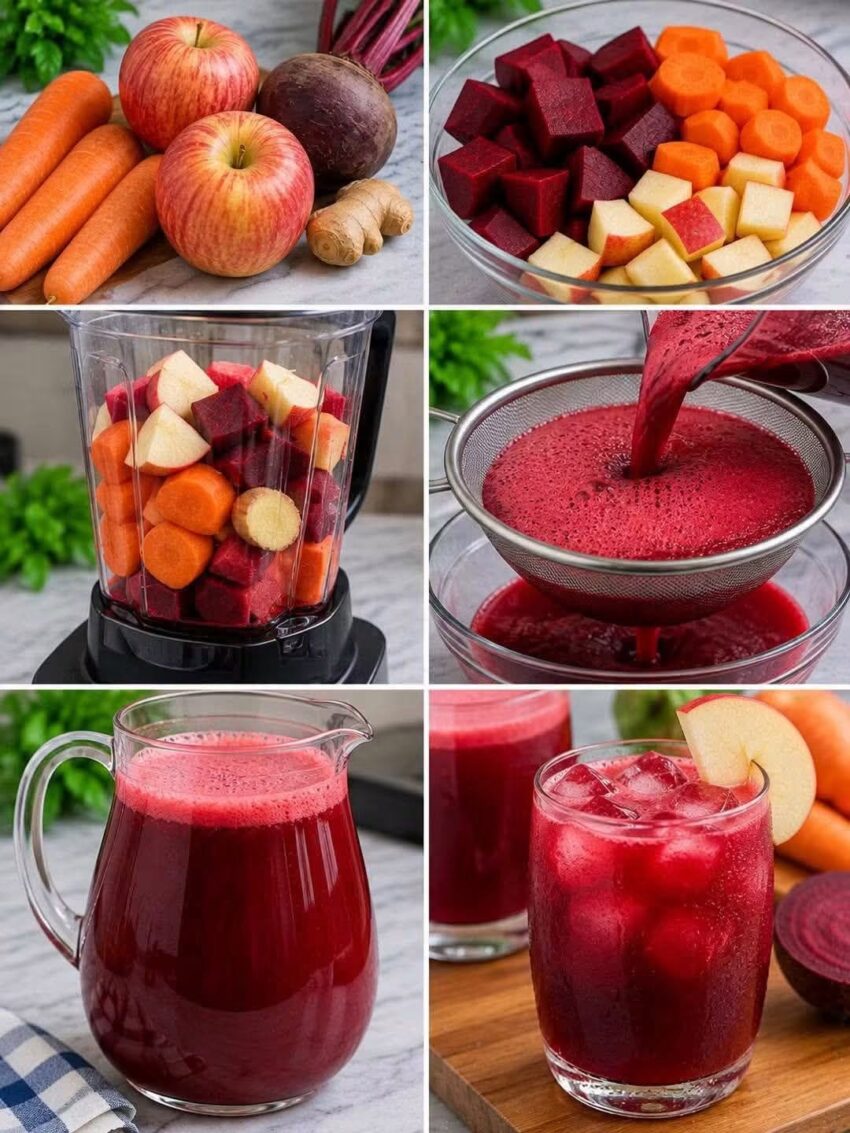
Discover how nutrient-rich juices may support hydration, energy, and overall health, and learn what science says about claims involving cancer, diabetes, and liver disease.
Juices made from fresh fruits and vegetables are popular among people looking to improve their diets and support their overall health. Depending on the ingredients, a homemade juice may provide vitamins, minerals, antioxidants, and other beneficial plant compounds.
You may have seen claims that a particular juice can kill cancer cells, improve diabetes, or reverse liver disease in just 42 days. Such statements can sound encouraging, especially to people searching for natural ways to feel healthier.
However, it is important to separate the potential benefits of nutritious foods from claims that have not been demonstrated in reliable human studies.
No particular juice has been proven to cure cancer, eliminate diabetes, or reverse liver disease in 42 days. Nevertheless, certain fruits and vegetables can be part of a balanced diet that supports general well-being.
1. How Nutrient-Rich Juices May Support Overall Health
Fresh juices can provide some of the nutrients found in their ingredients. Depending on the recipe, these may include vitamin C, folate, potassium, and various plant compounds.
These nutrients play important roles in normal body functions, including immune function, cellular processes, and maintaining fluid balance.
For example, juices made with suitable amounts of citrus fruits, carrots, or other vegetables can contribute vitamins and antioxidants to the diet.
However, juicing removes much of the fiber found in whole fruits and vegetables. Blending whole produce instead of straining it can help retain more fiber.
2. Can Juice Kill Cancer Cells?
Cancer is a group of complex diseases involving abnormal cell growth. Treatment depends on the cancer type, its stage, and other individual factors.
Some plant compounds have demonstrated biological effects in laboratory experiments, including effects on cancer cells grown under controlled conditions. But a laboratory finding does not establish that drinking a juice produces the same effect in the human body.
There is currently no reliable clinical evidence that a specific homemade juice kills cancer throughout the body or cures cancer within 42 days.
A balanced diet can help people maintain their nutritional status during cancer care, but juice should never replace surgery, chemotherapy, radiation, immunotherapy, or other recommended treatments.
People receiving cancer treatment should also discuss concentrated juices and herbal mixtures with their oncology team because certain ingredients can interact with medications.
3. Can Juice Help People With Diabetes?
Some juices provide vitamins and minerals, but fruit juice can also contain substantial amounts of naturally occurring sugar and may raise blood glucose quickly.
For people with diabetes, portion size and ingredients matter.
Consider these practical tips:
- Choose whole fruit more often than fruit juice because whole fruit retains more fiber.
- Avoid adding sugar, honey, or sweet syrups.
- Monitor blood glucose as advised by your healthcare professional.
- Discuss juice portions with your diabetes care team, especially if your blood glucose is difficult to control.
Vegetable-based drinks without added sugar may contain less sugar than fruit-heavy juices, but their nutritional content varies.
No juice has been proven to eliminate diabetes in 42 days. Prescribed medication, appropriate nutrition, physical activity, and regular medical monitoring remain important parts of diabetes management.
4. Can Juice Improve Liver Health?
The liver performs essential functions, including processing nutrients, producing important proteins, and helping the body metabolize substances.
A healthy dietary pattern can support liver health. Eating vegetables, whole fruits, legumes, whole grains, and appropriate sources of protein while limiting excess added sugar and alcohol can be beneficial.
However, liver diseases have different causes, including fatty liver disease, viral hepatitis, autoimmune conditions, and medication-related injury. They do not all respond to the same treatment.
A juice cannot be assumed to cleanse the liver, remove liver disease, or repair liver damage within a fixed period.
People with diagnosed liver disease should seek medical advice before using concentrated herbal drinks or detox products, as some ingredients can actually harm the liver.
5. Can Juice Support Energy Levels?
A nutrient-rich drink can provide fluids and carbohydrates that the body uses for energy. It may be particularly useful when included as part of a varied, balanced diet.
However, persistent fatigue can have many causes, including inadequate sleep, anemia, thyroid disorders, diabetes, and other medical conditions.
If tiredness continues despite adequate food, fluids, and rest, it is worth discussing with a healthcare professional rather than relying on a juice remedy.
6. Does Juice Improve Blood Circulation?
Good circulation depends on several factors, including healthy blood vessels, heart function, blood pressure, and normal blood composition.
Some fruits and vegetables contain nutrients and plant compounds that contribute to a healthy dietary pattern. Certain ingredients, such as beetroot, have also been studied for their potential effects on blood pressure.
However, the effects depend on the ingredient, quantity, individual health, and the available scientific evidence. There is no guarantee that a homemade juice will improve circulation or treat a vascular disease.
Anyone experiencing sudden chest pain, severe breathlessness, or sudden weakness should seek emergency medical attention rather than trying a dietary remedy.
7. A Safer Way to Include Juice in Your Diet
If you enjoy fresh juice, you can include it as one part of a balanced eating pattern.
Here is a simple vegetable drink idea:
Ingredients
- 1 small carrot
- A small piece of cucumber
- A little fresh ginger, if tolerated
- Water as needed
Preparation
- Wash all ingredients thoroughly under running water.
- Peel ingredients when appropriate and remove any damaged portions.
- Blend them with water.
- Drink a modest portion alongside a balanced meal, or retain the pulp to preserve more fiber.
This drink can provide some nutrients and fluids, but it is not a treatment for cancer, diabetes, or liver disease. People with specific medical conditions may need individualized dietary advice.
8. Why the 42-Day Claim Needs Careful Evaluation
A precise claim such as “kills cancer cells in 42 days” should be supported by well-designed human clinical trials, not simply testimonials, laboratory experiments, or before-and-after photographs.
Before trusting a health claim, ask:
- Has the juice been studied in humans with the condition?
- Was the study published in a reputable medical journal?
- Did researchers measure meaningful clinical outcomes?
- Were the results independently replicated?
- Does the claim encourage people to stop proven treatment?
Without credible evidence, a fixed timeline should not be treated as a medical promise.
Final Thoughts
Fresh fruit and vegetable juices can contribute fluids and nutrients to a balanced diet. Depending on the ingredients, they may support general nutritional health, but their benefits should not be confused with a cure for serious disease.
Cancer, diabetes, and liver disease require appropriate diagnosis and condition-specific care. No particular juice has been established as a treatment that cures these conditions in 42 days.
The safest approach is to enjoy nutritious foods as part of a healthy lifestyle while following evidence-based medical advice.
Medical disclaimer: This article is for educational purposes only and does not replace professional medical advice, diagnosis, or treatment.