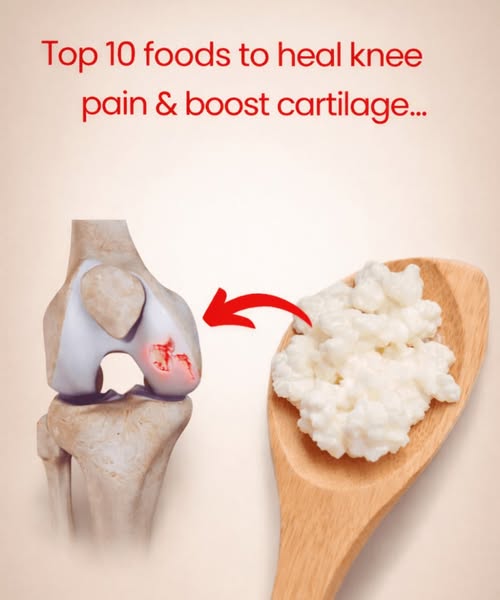
Discover 10 nutritious foods that may help support cartilage, reduce inflammation, strengthen bones, and promote healthier knees naturally.
Knee pain can be related to osteoarthritis, previous injuries, excess strain, muscle weakness, or inflammation. No single food can “heal” damaged cartilage, but a nutrient-rich diet can support joint health and may help manage inflammation and overall mobility.
1. Fatty Fish 🐟
Salmon, sardines, mackerel, and trout provide omega-3 fatty acids, which have anti-inflammatory properties. Eating fish regularly may be especially helpful for people dealing with inflammatory joint discomfort.
Try: 2 servings of fatty fish per week.
2. Eggs 🥚
Eggs provide high-quality protein, which is important for maintaining the muscles around your knees. Stronger leg muscles can help support the knee joint and reduce mechanical stress.
They also contain nutrients such as vitamin D and selenium.
3. Berries 🍓
Blueberries, strawberries, raspberries, and blackberries are rich in polyphenols and vitamin C. Vitamin C is needed for collagen production, an important component of cartilage and connective tissue.
Tip: Add berries to oatmeal, yogurt, or a smoothie.
4. Extra-Virgin Olive Oil 🫒
Extra-virgin olive oil contains healthy monounsaturated fats and plant compounds with anti-inflammatory effects. It can be a healthier replacement for butter and highly processed cooking fats.
5. Leafy Green Vegetables 🥬
Spinach, kale, broccoli, and other vegetables provide vitamin K, vitamin C, folate, magnesium, and antioxidants.
Vitamin K is particularly important for normal bone health, while the overall nutrient combination supports healthy connective tissues.
6. Nuts and Seeds 🌰
Walnuts, almonds, chia seeds, and flaxseeds provide healthy fats, minerals, fiber, and plant-based omega-3s.
Easy option: A small handful of unsalted nuts as a snack.
7. Citrus Fruits 🍊
Oranges, lemons, grapefruit, and other citrus fruits are excellent sources of vitamin C. Since vitamin C contributes to normal collagen formation, adequate intake is important for cartilage and connective tissue maintenance.
8. Greek Yogurt 🥛
Greek yogurt supplies protein and calcium, two nutrients important for maintaining muscles and bones around the knee.
Choose plain varieties and add fruit rather than relying on heavily sweetened flavored yogurt.
9. Beans and Lentils 🫘
Lentils, chickpeas, kidney beans, and other legumes provide protein, fiber, magnesium, and other micronutrients.
They can help make an overall anti-inflammatory eating pattern more filling while providing protein needed for muscle maintenance.
10. Bone Broth 🍲
Bone broth contains collagen-derived proteins and amino acids. However, claims that drinking bone broth directly rebuilds worn knee cartilage are stronger than the current evidence supports.
Think of it as a nutritious food that can fit into a balanced diet—not a cartilage-repair treatment.
What to Limit
If you’re trying to support your knees, don’t focus only on adding “superfoods.” Also reduce foods that can make maintaining a healthy weight and an anti-inflammatory diet more difficult:
- Sugary drinks and excessive sweets
- Highly processed snacks
- Deep-fried foods
- Excessive refined carbohydrates
- Processed meats
- Excessive alcohol
The Bottom Line
For healthier knees, focus on a Mediterranean-style eating pattern rich in fish, vegetables, fruits, legumes, nuts, whole grains, and healthy fats. Food can support your joints, but damaged cartilage generally cannot simply be rebuilt by eating a particular food.
If knee pain is persistent, severe, associated with significant swelling, locking, instability, or follows an injury, it is worth getting the cause evaluated rather than relying on diet alone.