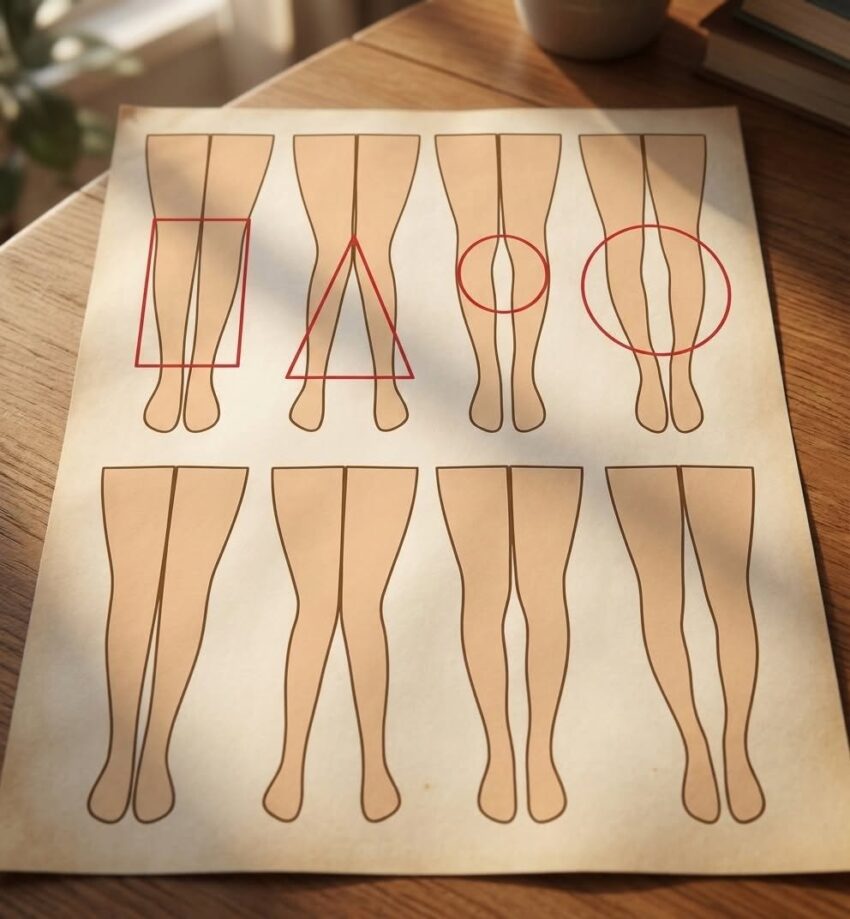
A woman’s legs can say surprisingly little about who she is—but quite a lot about how she chooses to present herself. From the way she walks to the shoes she wears, leg posture, proportions, and styling choices can influence the overall impression of an outfit.
It’s important, however, not to confuse appearance with personality, health, or character. Body shape and proportions naturally vary, and there is no single “ideal” leg shape.
Instead, think of the legs as one element of a larger visual picture that includes clothing, footwear, posture, movement, and personal confidence.
1. Proportion Influences the Overall Silhouette
Leg length is one of the first things people may notice about an outfit’s silhouette.
High-waisted trousers, shorter jackets, and skirts positioned above the natural knee can visually lengthen the legs. Conversely, long tops or low-rise trousers can create a different proportion.
This doesn’t mean one proportion is better than another. It simply shows how clothing can change the way the body is visually balanced.
2. Posture Can Transform an Outfit
Good posture can make almost any outfit appear more polished.
Standing with the shoulders relaxed, chest naturally lifted, and weight distributed comfortably can create a more confident silhouette.
When walking, a natural stride generally looks more effortless than consciously trying to change the way you move.
The goal isn’t to imitate someone else’s walk. It’s to move comfortably and confidently in your own body.
3. Footwear Changes the Appearance of the Legs
Shoes can dramatically influence the visual line of the legs.
Heels
Heels can alter posture and make the legs appear longer, while also changing the angle of the ankles and calves.
However, extremely high heels can be uncomfortable and may place additional stress on the feet and ankles.
Pointed-Toe Shoes
A pointed toe can visually extend the foot and create a longer-looking line.
Ankle Straps
Ankle straps create a horizontal visual break, which may make the legs appear slightly shorter depending on the shoe and outfit.
Boots
Boot height can change the visual proportions of the lower leg. Knee-high boots, for example, create a continuous vertical line that can work beautifully with dresses, skirts, and fitted trousers.
4. Clothing Length Matters
The point where a skirt, dress, or pair of shorts ends can affect how the legs appear.
A hemline that finishes at a narrow part of the leg can sometimes create a more elongated visual effect.
Midi skirts, for example, can create very different proportions depending on where they fall and what footwear accompanies them.
The most flattering length is ultimately the one that makes you feel comfortable and confident.
5. Trousers Can Create Different Visual Effects
The cut of trousers plays a major role in leg proportions.
Straight-leg trousers create a clean, classic line.
Wide-leg trousers can create an elegant, flowing silhouette, particularly when paired with a structured top.
Slim or tapered trousers emphasise the natural shape of the legs.
High-rise trousers can visually lengthen the lower body by raising the apparent waistline.
6. Colour Creates Visual Continuity
Wearing similar colours in your trousers and shoes can create a continuous visual line.
For example, dark trousers paired with dark shoes can make the lower body appear more streamlined.
The opposite is also true: contrasting shoes can deliberately draw attention toward the feet and create a more playful outfit.
Neither approach is inherently better.
7. The Way Someone Stands Can Affect Their Silhouette
Everyone has a naturally different stance.
Some people stand with their feet closer together, while others naturally keep a wider stance. Hip structure, muscle distribution, footwear, and posture all influence how someone stands.
There is no universal “correct” leg position for appearance.
Comfort and natural alignment matter more than trying to force the legs into a particular shape.
8. Muscle Tone Reflects Lifestyle—But Not Character
Strong-looking legs may reflect activities such as:
- Walking
- Cycling
- Running
- Dancing
- Strength training
- Sports
But appearance doesn’t tell you exactly how active someone is.
People have different genetics, body compositions, occupations, and health circumstances. Two equally active people can have completely different-looking legs.
9. Skin and Grooming Can Complete the Look
When legs are visible, grooming can become part of the overall styling decision.
Depending on personal preference, someone might choose:
- Natural body hair
- Shaving
- Waxing
- Moisturising
- Body lotion
- Self-tanning products
- Minimal or no grooming
There is no single correct approach. Personal style is about choosing what feels right rather than meeting an arbitrary standard.
10. Confidence Is Often More Noticeable Than Proportions
Perhaps the biggest lesson is that style isn’t determined by leg length, shape, or size.
A person who feels comfortable in her clothing tends to look more natural and self-assured.
Confidence can come from something as simple as:
- Wearing shoes that feel comfortable
- Choosing clothes that fit properly
- Standing naturally
- Moving without self-consciousness
- Dressing according to personal taste
These factors often have a greater effect on an outfit than physical proportions alone.
How to Style Different Leg Proportions
Rather than trying to “fix” your natural shape, use clothing to create the visual effect you enjoy.
To Create a Longer-Looking Leg Line
Try:
- High-waisted bottoms
- Monochromatic outfits
- Similar colours between shoes and trousers
- Vertical details
- Shorter jackets
To Create More Balance
Try:
- Structured jackets
- Belted waistlines
- Proportional hems
- Contrasting colours
- Layering
For a Relaxed, Casual Look
Try:
- Straight-leg jeans
- Sneakers
- Oversized shirts
- Flat sandals
- Simple accessories
For a More Polished Look
Try:
- Tailored trousers
- A fitted or structured jacket
- Clean-lined footwear
- Coordinated colours
- Minimal accessories
What Legs Cannot Tell You
It’s tempting to make assumptions based on someone’s appearance, but legs cannot reliably tell you a person’s personality, intelligence, attractiveness, health, age, or character.
Even physical appearance doesn’t necessarily reveal fitness or health. Genetics, medications, injuries, occupation, and countless other factors influence the way legs look and function.
Style is therefore best understood as self-expression rather than a measurement of the body.
Frequently Asked Questions
Can clothing really make legs look longer?
Yes. Waist placement, garment length, colour continuity, and footwear can all influence perceived proportions.
Are long legs considered more stylish?
Not necessarily. Fashion works with many different body proportions. Styling, fit, posture, and confidence generally matter more than having a particular leg length.
Do heels make legs look longer?
They can create the visual impression of longer legs by changing posture and extending the line of the foot, although the effect varies depending on the shoe and outfit.
What’s the most important factor in making an outfit look good?
Fit and confidence are among the most important factors. Clothes that fit comfortably and suit your personal style are usually more effective than simply following trends.
Final Thoughts
A woman’s legs are simply one part of her overall silhouette. Their proportions, posture, and movement can influence how clothing looks, while footwear, hems, colour, and tailoring can dramatically change the visual effect.
But there is no perfect leg shape—and there doesn’t need to be.
The most compelling style isn’t about disguising your natural body. It’s about understanding proportions, choosing clothes intentionally, and feeling comfortable enough to let your personality come through.