Your ears can sometimes provide clues about your health. Learn which ear changes may be linked to aging, skin conditions, hearing problems, circulation, and other health concerns.
What Your Ears Can Reveal About Your Health
Your ears do much more than allow you to hear. They help maintain balance, and changes involving the ears, skin around them, or hearing ability can sometimes provide clues about your overall health.
However, it’s important not to treat every unusual ear feature as a diagnosis. Many ear changes are harmless, while others may have several possible causes.
Here are some ear-related signs worth knowing about.
1. Gradual Hearing Loss
Difficulty hearing conversations, frequently asking people to repeat themselves, or turning the television volume higher than usual can indicate hearing loss.
Age-related hearing loss is common, but hearing problems can also result from repeated loud-noise exposure, certain medications, earwax buildup, infections, or other conditions.
If hearing changes gradually or interfere with daily life, a hearing evaluation can help determine the cause.
2. Ringing or Buzzing in the Ears
Hearing ringing, buzzing, humming, or other sounds without an external source is commonly called tinnitus.
Tinnitus can occur temporarily after exposure to loud music or machinery. It can also be associated with hearing loss, earwax, certain medications, or other underlying problems.
Persistent tinnitus deserves medical evaluation, particularly if it affects sleep or concentration.
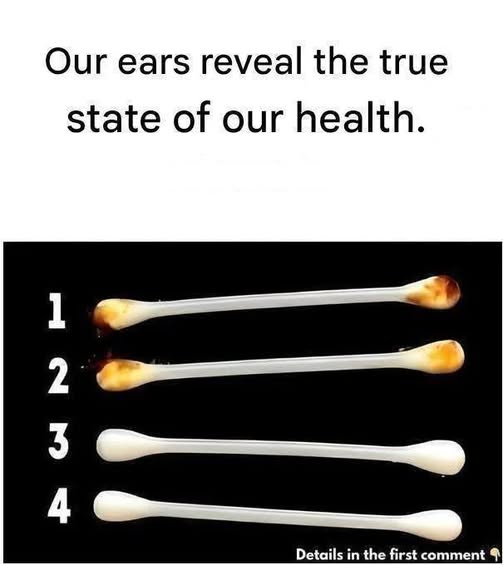
3. Earwax Buildup
Earwax is normal and actually helps protect the ear canal. Problems can arise when too much accumulates and blocks the canal.
A buildup may cause:
- Muffled hearing
- A feeling of fullness
- Ear discomfort
- Ringing
- Occasionally dizziness
Avoid putting cotton swabs or other objects deep inside the ear because they can push wax farther inward or injure the ear.
4. Itchy or Flaky Ears
Dry, itchy, or flaky skin around the ear may be caused by something as simple as dry skin.
Other possibilities include:
- Eczema
- Psoriasis
- Contact dermatitis
- Seborrheic dermatitis
- Irritation from hair or skincare products
If the skin becomes painful, swollen, cracked, or infected-looking, it’s worth having it examined.
5. Pain or Discharge
Ear pain isn’t something to ignore, particularly when accompanied by drainage.
Possible causes include an ear infection, irritation, injury, or a problem involving the eardrum or ear canal.
Blood, pus-like discharge, severe pain, or sudden hearing loss should be evaluated promptly.
6. Dizziness or Balance Problems
The inner ear contains structures involved in maintaining balance. Problems affecting the inner ear can sometimes cause vertigo, dizziness, or a sensation that the surroundings are spinning.
But dizziness can have many causes beyond the ears, including neurological, cardiovascular, medication-related, and other conditions.
Sudden severe dizziness accompanied by weakness, difficulty speaking, facial drooping, severe headache, or trouble walking requires urgent medical attention.
7. Changes in the Earlobe
You may have heard claims that a diagonal crease across the earlobe indicates heart disease.
This is sometimes called Frank’s sign, and researchers have investigated a possible association with cardiovascular disease. However, an earlobe crease cannot diagnose heart disease, and having one doesn’t mean that someone has blocked arteries.
Heart health should be assessed using established risk factors such as blood pressure, cholesterol, diabetes, smoking, family history, diet, and physical activity—not the appearance of the earlobe alone.
8. Unusual Growths or Persistent Skin Changes
A new lump, sore, scaly patch, ulcer, or changing spot on or around the ear should be monitored.
The ears receive significant sun exposure, and skin cancers can develop on exposed areas, including the ears.
A lesion that doesn’t heal, repeatedly bleeds, changes appearance, grows, or becomes painful should be examined by a healthcare professional.
9. Sudden Hearing Loss
Sudden hearing loss is particularly important.
If hearing suddenly decreases in one or both ears, especially over a period of hours or a few days, don’t simply assume that earwax is responsible.
Sudden sensorineural hearing loss can require urgent assessment, and early treatment may be important.
10. Your Ears and Aging
Some hearing changes become more common with age, particularly difficulty hearing higher-pitched sounds or understanding speech in noisy environments.
But significant hearing difficulty isn’t something you simply have to accept as an unavoidable part of getting older. Hearing tests, hearing aids, assistive devices, and other treatments can help many people communicate more effectively.
When Should You See a Doctor?
Seek medical attention for symptoms such as:
- Sudden hearing loss
- Severe or worsening ear pain
- Blood or persistent drainage
- A new or changing growth on the ear
- Persistent dizziness or vertigo
- Hearing problems that interfere with everyday activities
- Tinnitus that is persistent or occurs with other concerning symptoms
The Bottom Line
Your ears can provide useful clues about hearing, balance, skin health, and certain other conditions, but they cannot reliably diagnose your overall health by appearance alone.
Instead of relying on viral health claims about ear shapes, colors, or creases, pay attention to new, persistent, or sudden changes. When something seems unusual, a proper medical examination is far more reliable than self-diagnosis.