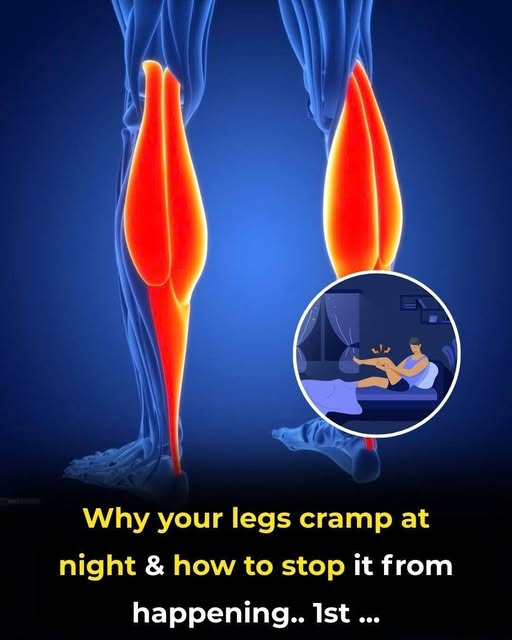
Why do leg cramps happen while sleeping? Learn the common causes of nighttime leg cramps, what may trigger them, how to ease a cramp quickly, and when frequent cramps need medical attention.
Why Do Leg Cramps Happen While Sleeping? Experts Reveal the Common Reasons
You finally fall asleep, only to suddenly wake up with a painful tightening in your calf or foot. The muscle feels hard, tense, and almost impossible to relax.
These sudden contractions are commonly called nighttime leg cramps or nocturnal leg cramps. They’re particularly common in the calves, although they can also affect the feet or thighs.
Most nighttime cramps aren’t dangerous, but frequent or severe episodes can interfere with sleep and may sometimes be associated with an underlying problem.
What Exactly Is a Leg Cramp?
A leg cramp occurs when a muscle suddenly contracts involuntarily and doesn’t relax normally.
The affected muscle can become extremely tight, and the pain may last from several seconds to several minutes. The area can sometimes remain sore afterward.
Nighttime cramps are different from restless legs syndrome. Restless legs syndrome typically creates an urge to move the legs and uncomfortable sensations rather than a sudden, painful muscle contraction.
1. Muscle Fatigue or Overuse
One common trigger is simply asking your muscles to do more than they’re accustomed to.
A long walk, intense workout, prolonged standing, or unusual physical activity during the day can leave the muscles more prone to cramping at night.
If you’ve recently increased your exercise routine, give your muscles time to adapt.
2. Staying in One Position
Sleeping in one position for a long period may contribute to muscle shortening or discomfort.
Certain sleeping positions can also keep the foot pointed downward for extended periods, potentially making the calf muscles more susceptible to cramping.
Gentle stretching before bed may help some people.
3. Dehydration
Not drinking enough fluids can contribute to muscle discomfort and may increase the likelihood of cramps in some situations.
Your hydration needs vary depending on your activity level, climate, diet, and health.
Instead of drinking excessive amounts of water immediately before bed, aim to stay adequately hydrated throughout the day.
4. Mineral Imbalances
People often hear that nighttime cramps are caused by a lack of potassium, magnesium, or calcium.
These minerals are important for normal muscle and nerve function, but supplementation isn’t automatically the solution.
Low levels can occur for certain medical reasons, through some medications, or after significant fluid losses. However, many people with ordinary nighttime cramps do not have a simple mineral deficiency.
Taking large doses of supplements without medical advice can be harmful.
5. Pregnancy
Leg cramps are common during pregnancy, particularly later in pregnancy.
Changes in circulation, increased physical demands on the body, and other pregnancy-related changes may contribute.
If you’re pregnant and experiencing frequent or severe cramps, mention them at a routine prenatal appointment, especially if swelling or other symptoms are also present.
6. Certain Medications
Some medicines can increase the likelihood of muscle cramps in certain people.
If your cramps started soon after beginning a new medication or changing a dose, talk with your doctor or pharmacist.
Don’t stop a prescribed medicine on your own.
7. Circulation or Nerve Problems
Sometimes recurring cramps can occur alongside conditions affecting blood vessels or nerves.
If cramps are accompanied by persistent numbness, weakness, changes in skin color, swelling, or significant pain while walking, medical evaluation may be appropriate.
8. Age-Related Changes
Nighttime leg cramps become more common with age.
Changes in muscle mass, activity levels, flexibility, circulation, and medications may all play a role.
Regular gentle movement and stretching can help maintain flexibility and strength.
What to Do When a Leg Cramp Strikes
When a cramp wakes you up, try to gently lengthen the affected muscle.
For a calf cramp, you can carefully straighten the leg and pull your toes toward your face. Standing up and placing gentle weight on the affected leg may also help if you’re able to do so safely.
You can gently massage the tight muscle until it begins to relax.
Avoid forceful stretching or sudden movements that could cause an injury.
How to Reduce Nighttime Cramps
If cramps happen regularly, consider these simple habits:
- Stay adequately hydrated during the day.
- Stretch your calves gently before bedtime.
- Maintain regular physical activity.
- Increase exercise intensity gradually.
- Avoid prolonged periods of inactivity.
- Wear comfortable, supportive footwear during the day.
- Review medications with a healthcare professional if cramps began after a medication change.
Keeping a simple record of when cramps occur can also be useful. Note what you did during the day, how much activity you had, and which muscles were affected.
When Should You Talk to a Doctor?
Occasional nighttime cramps are usually not a reason for alarm.
However, speak with a healthcare professional if cramps are frequent, severe, worsening, or regularly disrupting your sleep.
You should also seek medical advice if cramps occur with:
- Persistent leg swelling
- Numbness or weakness
- Significant redness or warmth
- Changes in skin color
- Severe or persistent pain
- Muscle changes that don’t improve
Sudden swelling and pain in one leg, particularly when accompanied by warmth or redness, requires prompt medical assessment.
The Bottom Line
Nighttime leg cramps can happen for many reasons, including muscle fatigue, prolonged positioning, dehydration, pregnancy, medications, and changes associated with aging.
There’s no single cause for every cramp, and taking supplements isn’t automatically the answer.
If cramps are occasional, gentle stretching, regular movement, and good hydration may help. But if they’re happening frequently or are accompanied by other unusual symptoms, it’s worth finding out what’s behind them rather than simply putting up with the pain.