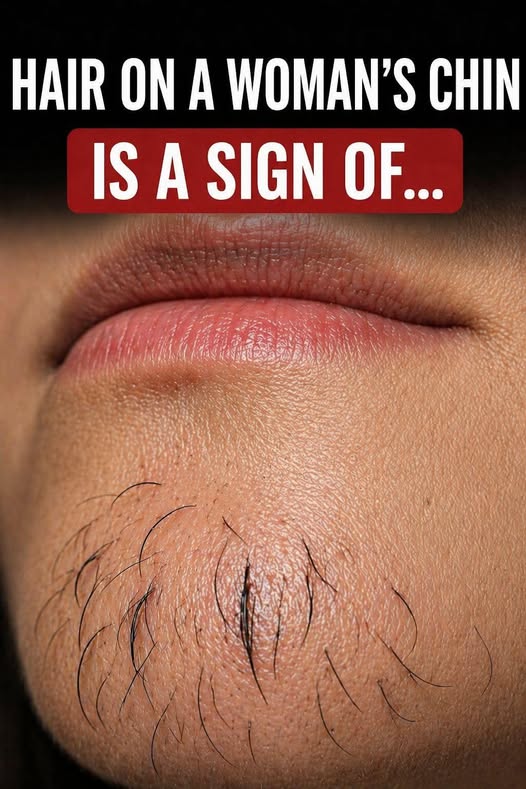
Why do some women develop noticeable facial hair? Learn about common causes of excess facial hair, including genetics, hormones, PCOS, medications, and menopause, plus safe ways to manage it.
Why Do Some Women Grow Facial Hair? Causes and Solutions
Finding a few dark hairs on the chin, upper lip, cheeks, or jawline can be surprising, but facial hair in women is actually quite common. Fine facial hair is normal, and some women naturally have more visible hair because of genetics, age, or hormonal changes.
When facial hair becomes noticeably thicker, darker, or more widespread, however, it can sometimes be related to increased androgen activity. This condition is often called hirsutism when excess coarse hair grows in areas typically influenced by male hormones.
The good news is that unwanted facial hair can often be managed, and when an underlying condition is responsible, treating that condition may help.
1. Genetics Can Play a Major Role
Some women naturally have more facial hair than others.
Genetics can influence hair thickness, color, growth pattern, and how sensitive hair follicles are to hormones. If women in your family tend to have noticeable facial hair, you may be more likely to experience it as well.
This doesn’t necessarily mean that anything is medically wrong.
2. Hormonal Changes
Androgens are hormones that are present in both women and men. Higher androgen levels—or hair follicles that are particularly sensitive to these hormones—can encourage thicker, darker hair growth.
Hormonal changes can occur during different stages of life, including puberty, pregnancy, and menopause.
A gradual increase in facial hair with age doesn’t automatically indicate a serious health problem, but a sudden or dramatic change deserves attention.
3. PCOS Can Cause Excess Facial Hair
Polycystic ovary syndrome (PCOS) is one of the more common conditions associated with hirsutism.
PCOS can involve higher androgen activity and may also cause symptoms such as irregular menstrual cycles, acne, difficulty with weight management, or thinning hair on the scalp.
Not every woman with facial hair has PCOS, and facial hair alone isn’t enough to diagnose it.
4. Menopause Can Change Hair Growth
As estrogen levels change during and after menopause, the balance between estrogen and androgens can shift.
Some women notice thicker hairs appearing on the chin, upper lip, or jawline during this period.
This can be a normal part of aging, although sudden or very rapid changes should still be discussed with a healthcare professional.
5. Certain Medications May Be Involved
Some medications can influence hormone levels or hair growth.
If you notice a significant change after starting a new medicine, speak with your doctor or pharmacist. Don’t stop a prescribed medication without professional guidance.
6. Less Common Hormonal Conditions
Occasionally, excessive facial hair can be associated with conditions affecting the ovaries or adrenal glands.
These causes are less common, but they become more important to consider when hair growth appears suddenly or is accompanied by other signs of increased androgen activity.
Warning signs can include:
- Rapid development of coarse facial hair
- A deeper voice
- Increased muscle mass
- Severe or sudden acne
- Significant scalp hair loss
- Irregular or absent periods
- Increased body hair in other areas
These symptoms warrant medical evaluation.
Safe Ways to Remove Facial Hair
If facial hair is mainly a cosmetic concern, there are several options.
Shaving
Shaving is inexpensive, quick, and doesn’t make hair grow back thicker. The hair may feel slightly stubbly as it grows because the tip has been cut bluntly, but shaving does not change the hair’s actual thickness or growth rate.
Tweezing
Tweezing works well for a few individual chin or facial hairs.
However, repeatedly plucking large areas can irritate the skin and may contribute to ingrown hairs.
Waxing or Threading
Waxing and threading remove hair from the root and can provide longer-lasting results than shaving.
Sensitive skin may become temporarily red or irritated afterward, so proper technique and hygiene are important.
Depilatory Creams
Some facial hair-removal creams chemically dissolve hair.
Only use products specifically designed for the face and follow the instructions carefully. A patch test can help identify irritation before applying the product to a larger area.
Laser Hair Reduction
Laser treatments can provide longer-term reduction in hair growth by targeting the pigment in hair follicles.
Results vary depending on hair color, skin tone, hair thickness, and the type of laser used. Multiple sessions are generally required.
Electrolysis
Electrolysis uses an electrical current to destroy individual hair follicles and can provide permanent hair removal when performed properly.
Because individual follicles are treated, the process can take time, especially when there is extensive facial hair.
Can Diet or Home Remedies Stop Facial Hair?
There are many online claims about foods, drinks, oils, and homemade remedies that supposedly stop facial hair growth.
Most of these claims aren’t supported by strong scientific evidence.
A healthy diet can support overall health, but it shouldn’t be presented as a guaranteed way to eliminate hormone-related facial hair.
If excessive hair growth is caused by a hormonal condition, treating the underlying problem is generally more useful than relying on homemade remedies.
When Should You See a Doctor?
Occasional facial hairs are usually nothing to worry about.
Consider speaking with a healthcare professional if facial hair becomes suddenly heavier, darker, or more widespread, particularly if you also experience irregular periods, severe acne, scalp hair thinning, unexplained weight changes, or other signs of hormonal changes.
A doctor can review your symptoms and, when appropriate, recommend hormone testing or other investigations.
The Bottom Line
Facial hair in women is common and can have many explanations. Genetics, age, hormonal changes, PCOS, and certain medications are among the possible causes.
There’s no need to feel embarrassed about it. If the hair is simply a cosmetic concern, several safe removal options are available. If the growth is sudden or accompanied by other hormonal symptoms, getting the underlying cause checked is the best next step.