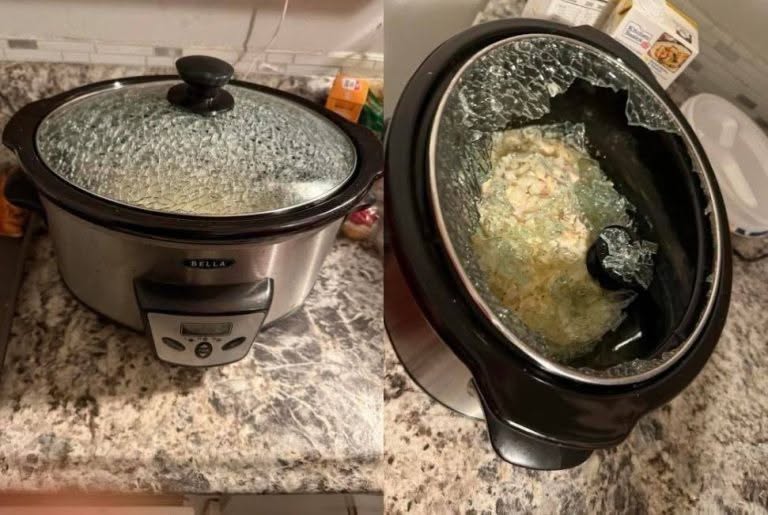
Slow cookers are incredibly convenient. You can add your ingredients, set the temperature, and let a meal cook slowly while you get on with your day. But not every ingredient is suited to hours of low, slow cooking.
Some foods can become mushy, separate, turn bitter, lose their texture, or even create food-safety problems if they are handled incorrectly. Knowing what to leave out—or when to add it—can make a big difference to the final meal.
Here are 11 foods that deserve special attention when using a slow cooker.
1. Raw Kidney Beans
Raw or inadequately cooked kidney beans contain a naturally occurring toxin called phytohaemagglutinin. Slow cookers may not reliably reach or maintain the high temperature needed to destroy enough of it.
If you’re using dried kidney beans, follow proper preparation instructions and boil them vigorously before transferring them to a slow cooker. Canned kidney beans are already cooked and can generally be added directly.
2. Seafood
Delicate seafood such as shrimp, prawns, scallops, and many types of fish can become rubbery or fall apart after several hours in a slow cooker.
For better texture, add seafood toward the end of cooking rather than leaving it in the pot for the entire cooking period.
3. Fresh Dairy Products
Milk, cream, and some soft dairy products can separate or curdle during prolonged cooking, particularly when exposed to heat for several hours.
For creamy soups and sauces, dairy is often best added during the final 15–30 minutes, depending on the recipe.
4. Pasta
Dry pasta can become overly soft and gummy when cooked for hours in a slow cooker.
If your recipe calls for pasta, consider cooking it separately and stirring it into the finished dish. Alternatively, add it near the end of cooking when the recipe specifically allows for it.
5. Fresh Herbs
Delicate herbs such as parsley, basil, cilantro, and dill can lose their fresh flavor during long cooking.
Heartier herbs such as rosemary, thyme, and bay leaves can tolerate longer cooking better. Fresh delicate herbs are usually best stirred in shortly before serving.
6. Rice
Rice can be tricky in a slow cooker. Depending on the variety and the amount of liquid, it may become overly soft or absorb more liquid than expected.
For many dishes, cooking rice separately gives you better control over its texture. If a slow-cooker recipe specifically includes rice, follow its liquid and timing instructions carefully.
7. Frozen Meat
One of the most important slow-cooker rules concerns frozen meat.
Putting frozen meat directly into a slow cooker can allow it to remain in the food-safety “danger zone” for too long as it slowly thaws and heats.
Instead, thaw meat safely in the refrigerator before placing it in the slow cooker.
8. Tender Vegetables
Vegetables such as zucchini, peas, spinach, and other delicate produce can become extremely soft when cooked for many hours.
For a better texture and fresher flavor, add tender vegetables during the later stages of cooking.
9. Certain Fresh Fruits
Soft fruits such as berries, peaches, and bananas generally don’t hold their texture well during prolonged slow cooking.
They may break down completely and release additional liquid. If you’re making a dessert, compote, or sauce, this may be desirable—but otherwise, consider adding fruit near the end.
10. Large Amounts of Alcohol
Adding a large quantity of alcohol to a slow cooker can produce an unexpectedly strong flavor because evaporation is limited compared with cooking in an uncovered pan.
If a recipe calls for wine, beer, or another alcoholic ingredient, use the specified amount and consider reducing it separately when appropriate.
11. Ingredients You Want to Stay Crisp
Ingredients such as fresh greens, crunchy toppings, fried onions, croutons, and nuts are generally poor candidates for hours of slow cooking.
They can lose their texture and become soft or chewy.
Instead, add them immediately before serving or use them as toppings.
What Should You Add at the Beginning?
Slow cookers are particularly well suited to ingredients that benefit from extended cooking, including:
- Tough cuts of meat
- Root vegetables
- Onions
- Carrots
- Potatoes
- Dried herbs
- Beans that have been properly prepared
- Hearty stews and braises
These ingredients can develop deeper flavors and become tender during prolonged cooking.
A Few Slow-Cooker Rules to Remember
Don’t Overfill the Cooker
As a general rule, a slow cooker should not be filled to the very top. Follow the manufacturer’s instructions for the recommended fill level.
Keep the Lid Closed
Every time you remove the lid, heat escapes and cooking takes longer. Unless a recipe tells you otherwise, keep the lid closed.
Thaw Meat First
Refrigerator-thaw meat before putting it into a slow cooker. Never rely on the slow cooker to safely thaw frozen meat.
Don’t Assume “Low” Means Unlimited Cooking Time
Even foods that are suitable for slow cooking can eventually become dry, mushy, or lose their quality if left cooking far longer than the recipe specifies.
Final Thoughts
A slow cooker is one of the easiest ways to prepare hearty meals, but the cooking method isn’t ideal for every ingredient. Raw kidney beans and frozen meat require particular attention for safety, while seafood, dairy, pasta, delicate vegetables, and fresh herbs are often better added later.
The best slow-cooker meals are not necessarily the ones where everything goes into the pot at the same time. Knowing which ingredients need hours of cooking and which should be added near the end can give you safer, tastier, and better-textured results.