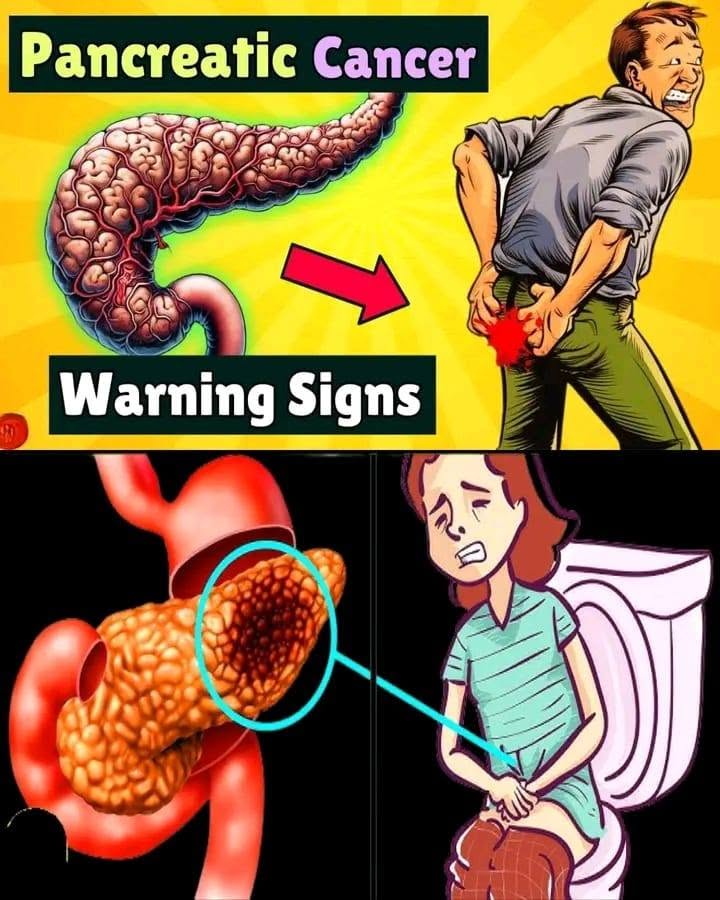
Pancreatic cancer is often called a “silent disease” because it may not cause obvious symptoms in its early stages. The pancreas is located deep in the abdomen, and signs can be subtle or easily mistaken for common digestive problems.
While experiencing any of these symptoms does not mean you have pancreatic cancer, knowing what to watch for can help you recognize when it may be time to speak with a healthcare professional.
1. Unexplained Weight Loss
Losing weight without changing your diet or exercise routine can be a warning sign of several health conditions, including pancreatic cancer. A reduced appetite, digestive problems, or changes in how the body processes nutrients may contribute to unexpected weight loss.
2. Yellowing of the Skin or Eyes
Jaundice is one of the more recognizable signs associated with pancreatic cancer. It can cause the skin and whites of the eyes to turn yellow and may also lead to dark urine, pale-colored stools, or itchy skin.
Jaundice can have many causes, including gallstones and liver disease, so it should be medically evaluated.
3. Persistent Abdominal Pain
Some people experience discomfort or pain in the upper abdomen. The pain may come and go initially and can sometimes become more persistent.
4. Back Pain
Pain that begins in the upper abdomen and spreads toward the back can occur with pancreatic problems. Persistent or unexplained back pain should not automatically be attributed to muscle strain, particularly when it occurs alongside other symptoms.
5. Loss of Appetite
A noticeable decrease in appetite or feeling full after eating only a small amount can occur with pancreatic cancer. However, appetite changes are extremely common and can result from many other conditions.
6. Digestive Problems
Indigestion, bloating, nausea, and changes in digestion may sometimes accompany pancreatic disease. Because these symptoms are common, they can easily be overlooked.
7. Changes in Stool
Pancreatic problems can interfere with digestion and the absorption of fats. This may result in stools that are unusually greasy, oily, pale, or difficult to flush.
Persistent changes in bowel habits deserve medical attention, especially when combined with weight loss or abdominal discomfort.
8. New-Onset Diabetes
A surprising diagnosis of diabetes—particularly in an older adult with no obvious risk factors—can sometimes be associated with pancreatic cancer.
Importantly, most people with diabetes do not have pancreatic cancer. Diabetes is far more commonly caused by other factors.
9. Changes in Existing Diabetes
People who already have diabetes may sometimes notice unexpected changes in blood sugar control. If blood glucose becomes significantly harder to manage without an obvious explanation, discussing the change with a doctor is sensible.
10. Persistent Fatigue
Feeling unusually tired or weak can accompany many illnesses, including pancreatic cancer. Fatigue may be related to poor nutrition, changes in metabolism, anemia, or the body’s response to disease.
Because fatigue is nonspecific, it is rarely meaningful on its own.
11. Itchy Skin
Intense or persistent itching can occur when bile flow is blocked and bilirubin builds up in the bloodstream. When itching occurs together with jaundice or dark urine, medical evaluation is particularly important.
12. Nausea and Vomiting
Pancreatic tumors can sometimes interfere with digestion or the normal movement of food through the digestive system. This may lead to nausea, vomiting, or feeling uncomfortably full.
Persistent vomiting should always be evaluated because it can have numerous causes.
13. Unexplained Blood Clots
In some people, pancreatic cancer can increase the tendency for blood to clot. An unexplained clot—particularly one causing swelling, warmth, pain, or redness in a leg—requires prompt medical attention.
Sudden chest pain or difficulty breathing can indicate a potentially life-threatening pulmonary embolism and requires emergency care.
14. Gallbladder Enlargement or Recurrent Gallbladder Problems
A blockage of the bile duct can sometimes cause the gallbladder to become enlarged. Gallstones and other gallbladder conditions are much more common causes of related symptoms, but persistent or unusual problems may warrant further investigation.
15. Unexplained Mood Changes
Depression, anxiety, or other changes in mood have occasionally been reported alongside pancreatic cancer. However, mood changes are not a specific warning sign and have countless possible causes.
When Should You See a Doctor?
Having one of these symptoms does not mean you have pancreatic cancer. In fact, many of them are far more likely to be caused by conditions such as acid reflux, gallstones, irritable bowel syndrome, diabetes, infections, or other digestive disorders.
However, you should consider talking with a healthcare professional if symptoms are:
- Persistent or getting worse
- Accompanied by unexplained weight loss
- Occurring together rather than individually
- Associated with jaundice
- Accompanied by new or unexplained changes in blood sugar
- Significantly affecting your appetite, digestion, or daily life
The Bottom Line
Pancreatic cancer can be difficult to detect early because its symptoms may be subtle and nonspecific. Paying attention to persistent, unexplained changes in your body is important—but it is equally important not to assume that common symptoms automatically indicate cancer.
If you’re concerned about symptoms, a healthcare professional can assess your individual risk and determine whether blood tests, imaging, or other investigations are appropriate.
Early medical evaluation is always better than ignoring persistent or unexplained symptoms.