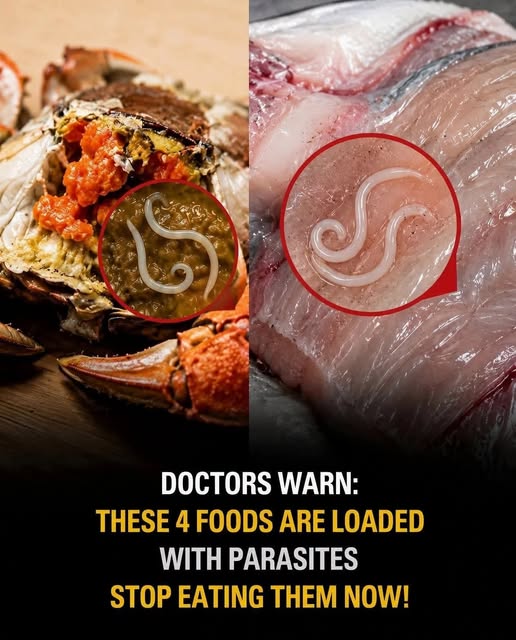
Learn about 4 common foods that can carry foodborne parasites when raw, undercooked, or contaminated. Discover safer preparation and cooking practices that can reduce your risk of infection.
4 Common Foods That May Hide Parasites — Doctors Say You Should Know This Before Eating
The idea of finding parasites in your food can be unsettling. But the good news is that proper food handling, hygiene, and thorough cooking can greatly reduce the risk of foodborne parasitic infections.
Parasites are organisms that can live in or on another organism and, in some circumstances, can infect humans. Certain foods are more commonly associated with parasitic infections, particularly when they’re eaten raw or undercooked.
Here are four food categories worth knowing about.
1. Raw or Undercooked Pork
Pork can be associated with parasites such as Trichinella when meat comes from infected animals and is eaten raw or insufficiently cooked.
Infection can cause gastrointestinal symptoms and, in some cases, more serious illness.
How to reduce the risk:
- Cook pork thoroughly.
- Use a food thermometer rather than relying only on color.
- Avoid tasting meat before it is fully cooked.
- Prevent raw meat juices from contacting ready-to-eat foods.
Freezing does not reliably eliminate every parasite under every circumstance, so proper cooking remains important.
2. Raw or Undercooked Fish
Certain raw or undercooked fish can carry parasitic worms, including species responsible for illnesses such as anisakiasis.
This is particularly relevant when eating raw fish dishes such as certain types of sushi, sashimi, or ceviche.
Commercial fish intended for raw consumption may undergo specific parasite-control procedures, such as appropriate freezing, but this doesn’t mean every piece of raw fish is automatically safe.
Safer approach: Choose fish prepared according to food-safety requirements and follow proper cooking or freezing guidance.
3. Freshwater Fish
Freshwater fish can carry parasites capable of infecting humans, especially when fish is eaten raw or undercooked.
Some parasitic infections associated with freshwater fish can affect the digestive system, while others can involve the liver or bile ducts.
Thorough cooking is one of the most effective ways to reduce this risk.
If you’re preparing freshwater fish at home, avoid serving it raw or partially cooked unless it has been specifically prepared under appropriate parasite-control procedures.
4. Raw or Poorly Washed Produce
Fruits and vegetables don’t necessarily contain parasites naturally, but they can become contaminated through soil, contaminated water, animals, food handlers, or poor sanitation.
Produce eaten raw can therefore carry organisms such as Giardia or Cyclospora if contamination occurs.
This is especially important for leafy greens, herbs, berries, and other produce that may be eaten without cooking.
Before eating:
- Wash your hands with soap and water.
- Rinse fresh produce thoroughly under running water.
- Rub firm produce gently while rinsing.
- Remove damaged or bruised portions.
- Keep produce away from raw meat and seafood.
- Don’t use soap or household disinfectants to wash food.
Does This Mean You Should Stop Eating These Foods?
No.
These foods can be part of a healthy diet. The concern is primarily about how they are sourced, handled, prepared, and cooked.
You don’t need to become afraid of pork, fish, fruits, vegetables, or other foods simply because parasites are possible. Basic food-safety practices substantially reduce the risk.
The 4 Key Rules to Remember
Cook: Thoroughly cook meat and fish when appropriate.
Clean: Wash hands, utensils, surfaces, and fresh produce properly.
Separate: Keep raw meat and seafood away from foods that are ready to eat.
Chill: Refrigerate perishable foods promptly and maintain appropriate storage temperatures.
What Symptoms Can Foodborne Parasites Cause?
Symptoms vary depending on the organism and the type of infection. Possible symptoms can include:
- Diarrhea
- Abdominal pain or cramping
- Nausea
- Vomiting
- Fatigue
- Loss of appetite
- Fever
- Unexplained weight loss in some cases
However, these symptoms do not prove that someone has a parasite. Many common infections and digestive conditions can cause similar symptoms.
If persistent gastrointestinal symptoms develop after eating potentially contaminated food, especially after travel or consumption of raw/undercooked foods, speak with a healthcare professional.
One Important Myth to Avoid
You may see claims online about certain foods, herbs, drinks, or “detoxes” that supposedly kill all parasites naturally.
Be skeptical of these claims.
If someone actually has a parasitic infection, the appropriate treatment depends on the specific organism. A healthcare professional may recommend testing and a targeted antiparasitic medication when necessary.
Final Takeaway
Parasites in food are a real food-safety concern, but they aren’t a reason to panic.
The biggest risks generally involve raw or undercooked animal products and contaminated produce. Thorough cooking, careful washing, preventing cross-contamination, and good hand hygiene are simple steps that can dramatically improve food safety.
When it comes to food, prevention is far more reliable than trying to “cleanse” an infection afterward.