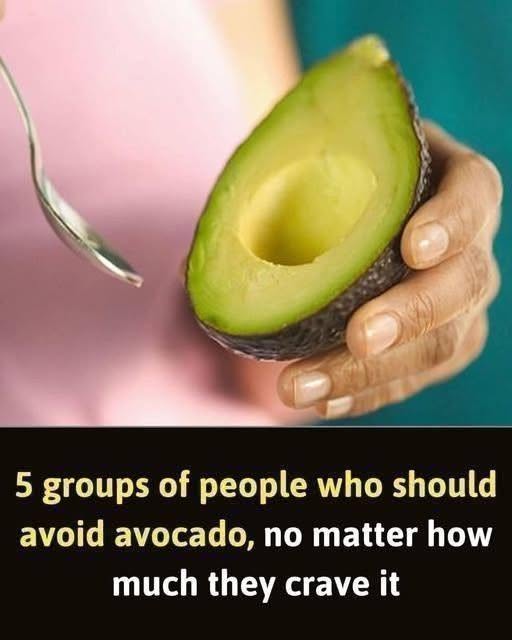
Avocados are nutritious, but some people may need to limit or avoid them because of allergies, kidney disease, digestive sensitivity, or medication concerns.
5 Groups of People Who May Need to Limit or Avoid Avocados
Avocados are often celebrated as a nutrient-rich food. They provide monounsaturated fats, fiber, folate, and potassium, making them a healthy addition to many diets.
But healthy doesn’t mean suitable for everyone.
For certain people, eating large amounts of avocado may cause problems because of allergies, potassium restrictions, digestive sensitivities, or interactions with particular medications.
Importantly, most people do not need to avoid avocados completely. Whether you should limit them depends on your individual health circumstances.
Here are five groups who may need to be particularly careful.
1. People With an Avocado Allergy
Although uncommon, avocado allergy is possible.
Some people experience symptoms shortly after eating avocado, including:
- Itching or tingling in the mouth
- Hives
- Swelling of the lips, tongue, or throat
- Stomach cramps
- Vomiting
- Difficulty breathing
People with a known avocado allergy should avoid avocado and products containing it unless their healthcare professional has advised otherwise.
What about latex allergy?
There is also a phenomenon known as latex-fruit syndrome, in which some people with latex allergy may also react to certain fruits, including avocado.
This does not mean everyone with a latex allergy must automatically stop eating avocados. If you’ve previously reacted to avocado or have a significant latex allergy, discuss the issue with an allergist.
Emergency warning: swelling of the throat, difficulty breathing, dizziness, or widespread symptoms after eating avocado can indicate a severe allergic reaction and requires emergency medical attention.
2. People With Advanced Kidney Disease or a Potassium Restriction
Avocados contain a significant amount of potassium.
For most healthy people, dietary potassium is beneficial and helps support normal muscle and nerve function.
However, people with advanced kidney disease may have difficulty removing excess potassium from the bloodstream. Some may therefore be instructed by their healthcare team to follow a low-potassium diet.
If you’ve been specifically told to restrict potassium, don’t assume that avocado is automatically safe simply because it is a “healthy fat.”
Your dietitian or doctor can tell you:
- How much potassium you should consume
- Whether avocado fits into your meal plan
- What serving size is appropriate
- Which lower-potassium foods can replace it
Don’t dramatically restrict potassium on your own, because potassium requirements vary considerably between individuals.
3. People Who Develop Digestive Symptoms After Eating Avocado
Avocado contains fiber and certain fermentable carbohydrates that can cause digestive symptoms in some sensitive individuals.
People with irritable bowel syndrome (IBS) or other digestive sensitivities may experience:
- Bloating
- Gas
- Abdominal discomfort
- Changes in bowel movements
The amount matters. A person may tolerate a small portion but experience symptoms after eating a large avocado.
Some people following a low-FODMAP diet may need to pay attention to avocado portion size because larger servings can provide enough polyols to trigger symptoms in sensitive individuals.
That doesn’t necessarily mean avocado has to be eliminated permanently.
A registered dietitian can help determine whether the problem is the food itself, the serving size, or another ingredient eaten alongside it.
4. People Taking Warfarin Who Have Been Told to Keep Vitamin K Intake Consistent
Avocados contain vitamin K, although they are not among the foods with the highest concentrations of the vitamin.
If you take warfarin, the important issue is generally consistency, not automatically eliminating every food containing vitamin K.
Suddenly making a major change to your intake of vitamin-K-containing foods can affect warfarin management.
If you regularly eat avocado, don’t suddenly start eating large quantities—or completely stop eating it—without discussing significant dietary changes with the healthcare professional managing your anticoagulation.
Your healthcare team can adjust monitoring and treatment based on your overall diet and medical situation.
Never stop or change your warfarin dose because of an internet article.
5. People Who Have Been Specifically Advised to Restrict Their Calorie or Fat Intake
Avocado is nutritious, but it is also relatively energy-dense because it contains a substantial amount of fat.
Most of that fat is unsaturated fat, which can be part of a healthy diet.
However, people following a medically prescribed calorie-controlled diet may need to pay attention to portion sizes.
A common mistake is assuming that because avocado is healthy, unlimited amounts are appropriate.
A few tablespoons can fit comfortably into many diets, while eating an entire large avocado on top of other calorie-dense foods can significantly increase total calorie intake.
The answer usually isn’t “never eat avocado.”
It’s portion control.
Who Usually Doesn’t Need to Avoid Avocado?
For most people, avocado can be part of a balanced diet.
Its nutritional profile includes:
- Monounsaturated fats
- Fiber
- Folate
- Potassium
- Vitamin E
- Vitamin K
- Other vitamins and minerals
Healthy adults who don’t have an avocado allergy, a medically prescribed potassium restriction, significant digestive intolerance, or another specific reason to avoid it generally don’t need to fear this fruit.
Is Eating Avocado Every Day Dangerous?
Not necessarily.
Eating avocado regularly can fit into a healthy eating pattern. The appropriate amount depends on your overall diet, calorie needs, health conditions, and personal tolerance.
The bigger issue is portion size and what the avocado replaces.
For example, using avocado instead of butter or another source of saturated fat may be a very different nutritional choice from adding a large amount of avocado on top of an already calorie-dense meal.
Don’t Confuse “May Need to Limit” With “Must Avoid”
This is especially important with viral health headlines.
Saying that “five groups should never eat avocado” would be misleading.
There are only certain circumstances in which avoiding avocado completely may be appropriate—such as a confirmed allergy.
For other groups, the recommendation may simply be to control portions, maintain consistency, or follow individualized dietary advice.
Your medical history matters.
When Should You Talk to a Doctor or Dietitian?
Consider getting personalized advice if you:
- Have chronic kidney disease
- Have been prescribed a potassium-restricted diet
- Take warfarin
- Have recurrent digestive symptoms after eating avocado
- Have experienced an allergic reaction to avocado
- Have multiple food allergies
- Are following a medically prescribed diet
A healthcare professional can determine whether avocado needs to be avoided, limited, or simply eaten in an appropriate portion.
Final Takeaway
Avocado is not a dangerous food for the general population. In fact, it can be a nutritious part of a balanced diet.
However, people with specific medical conditions or dietary restrictions may need to modify how much they eat.
The five groups to pay particular attention to are:
- People with an avocado allergy
- People with advanced kidney disease or a potassium restriction
- People who experience digestive symptoms from avocado
- People taking warfarin who need consistent vitamin K intake
- People following a medically prescribed calorie or fat restriction
So before completely removing avocado from your diet, consider the reason behind the restriction. In many cases, the issue is not the avocado itself but the individual’s medical condition, serving size, or medication management.