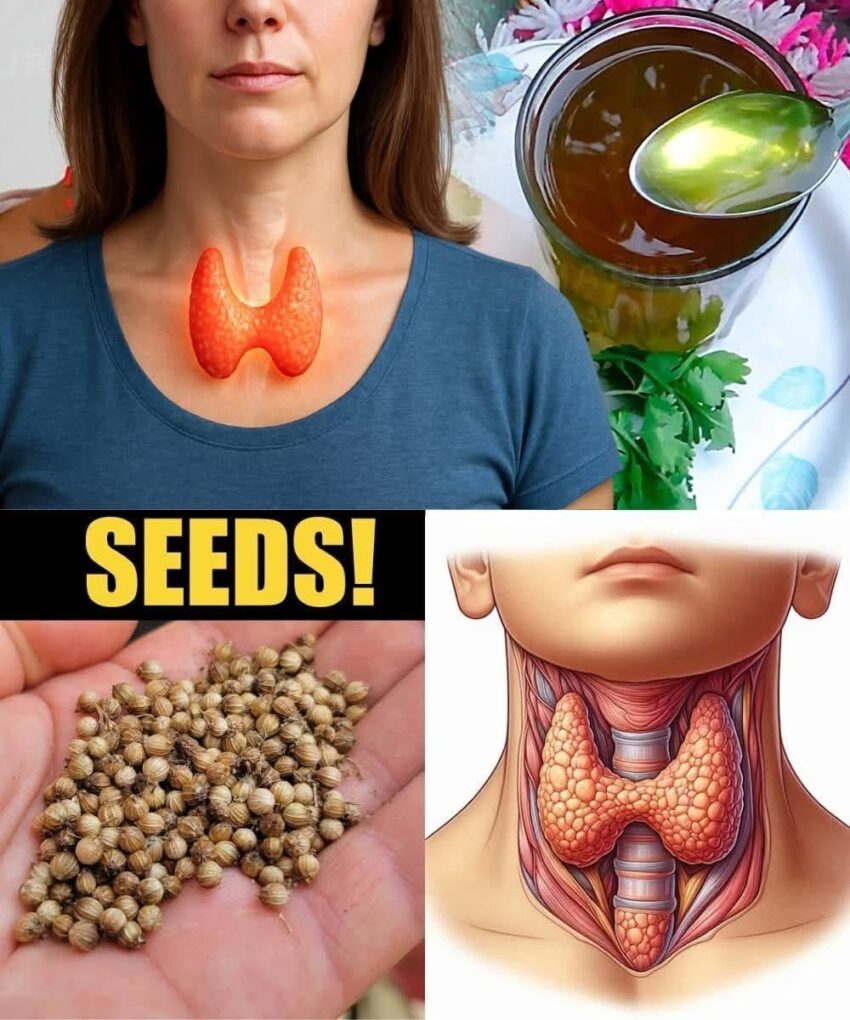
Learn 6 simple, natural lifestyle steps that may support healthy thyroid function, including balanced nutrition, adequate iodine, exercise, stress management, and better sleep.
The thyroid is a small, butterfly-shaped gland in the front of your neck, but it plays a major role in your overall health. It helps regulate metabolism, energy production, body temperature, heart rate, and many other important functions.
When thyroid hormone levels become too high or too low, you may experience symptoms such as tiredness, changes in weight, feeling unusually cold or hot, dry skin, constipation, rapid heartbeat, or changes in mood.
The good news is that several healthy lifestyle habits can support normal thyroid function. However, these steps should complement—not replace—medical evaluation and prescribed treatment when a thyroid disorder is present.
1. Eat a Balanced, Nutrient-Rich Diet
Your thyroid needs several nutrients to produce and regulate thyroid hormones. Instead of relying on a single “thyroid-boosting” food, focus on an overall nutritious eating pattern.
Include foods such as:
- Eggs
- Fish and seafood
- Beans and lentils
- Yogurt and other dairy foods
- Nuts and seeds
- Whole grains
- Fresh fruits and vegetables
- Lean meats or other protein sources
Protein is particularly important because it provides amino acids needed for many processes involved in hormone production and metabolism.
Try to limit highly processed foods, excessive added sugar, and diets that are extremely restrictive.
2. Get Enough Iodine—but Don’t Overdo It
Iodine is essential because the thyroid uses it to make thyroid hormones. Common sources include iodized salt, seafood, dairy products, and eggs.
However, more iodine is not necessarily better. Excessive iodine from supplements or concentrated products can sometimes interfere with thyroid function, particularly in people with certain thyroid conditions.
For most people, using an appropriate amount of iodized salt as part of a balanced diet is preferable to taking high-dose iodine supplements without medical advice.
3. Pay Attention to Selenium and Zinc
Selenium and zinc are trace minerals involved in normal thyroid function.
Selenium can be found in foods such as:
- Eggs
- Fish
- Meat
- Sunflower seeds
- Whole grains
- Some nuts
Zinc is found in foods including meat, seafood, dairy products, beans, and seeds.
Food sources are generally preferable to high-dose supplements. If you suspect a deficiency, speak with a healthcare professional before taking large amounts of any mineral.
4. Exercise Regularly
Regular physical activity supports overall metabolic and cardiovascular health and can help improve energy, muscle strength, mood, and weight management.
You don’t need an extreme workout routine. Consider:
- 20–30 minutes of brisk walking
- Strength training 2–3 times per week
- Gentle stretching
- Cycling
- Swimming
- Other activities you enjoy
If you already have a thyroid disorder and are experiencing significant fatigue, weakness, or a very fast heartbeat, talk with your healthcare provider before beginning an intense exercise program.
5. Prioritize Sleep and Stress Management
Poor sleep and chronic stress can affect energy, mood, appetite, and overall hormonal health.
Aim for a consistent sleep schedule and try simple stress-management techniques such as:
- Deep breathing
- Meditation
- Gentle yoga
- Walking outdoors
- Reading
- Spending time with family and friends
- Limiting caffeine late in the day
These habits won’t “cure” a thyroid disorder, but they can contribute to better overall health and well-being.
6. Don’t Ignore Thyroid Symptoms
Lifestyle changes are helpful, but they cannot replace proper thyroid testing when symptoms are present.
Talk to a healthcare professional if you experience persistent:
- Unexplained weight changes
- Extreme fatigue
- Feeling unusually cold or hot
- Hair thinning
- Dry skin
- Constipation
- Trembling or rapid heartbeat
- Neck swelling
- Menstrual changes
- Significant mood changes
A healthcare professional may recommend blood tests such as TSH and free T4, depending on your symptoms and medical history.
What About “Thyroid Detox” Drinks?
You may see claims online that lemon water, herbal teas, apple cider vinegar, or special detox drinks can cleanse or heal the thyroid.
There is no magic drink that detoxes or repairs the thyroid. Staying hydrated and eating nutritious foods are healthy habits, but they should not be presented as a cure for hypothyroidism, hyperthyroidism, Hashimoto’s disease, or other thyroid conditions.
Final Thoughts
Supporting your thyroid naturally is less about finding one miracle food or remedy and more about building healthy daily habits.
A balanced diet, adequate—but not excessive—iodine, nutrient-rich foods, regular movement, good sleep, stress management, and appropriate medical testing can all play a role in maintaining overall health.
If you have been diagnosed with a thyroid condition, continue any treatment prescribed by your healthcare professional and discuss dietary supplements or major diet changes with them before making changes.