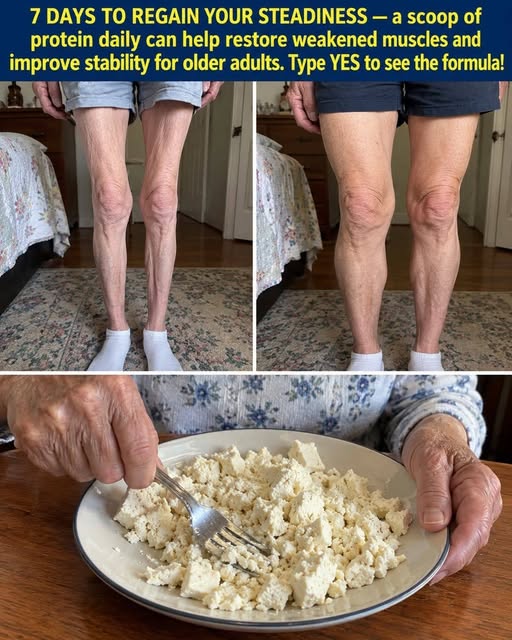
Adequate protein, combined with resistance exercise and a balanced diet, may help older adults maintain muscle strength, mobility, and stability. Learn how protein supports healthy aging.
As we get older, maintaining muscle strength becomes increasingly important. Everyday activities such as climbing stairs, getting up from a chair, carrying groceries, or walking confidently can become more difficult when muscle mass and strength decline.
One nutrient that plays an important role in maintaining muscle is protein.
But can simply taking one scoop of protein every day restore weakened muscles in just seven days?
The answer is more nuanced.
Why Muscle Strength Can Decline With Age
Age-related loss of muscle mass and strength is commonly known as sarcopenia. It can develop gradually and may be influenced by aging, physical inactivity, illness, inadequate nutrition, and other factors.
Reduced muscle strength can affect balance, mobility, and independence.
That is why nutrition and regular physical activity become increasingly important as people age.
How Does Protein Help?
Protein provides amino acids, which the body uses to build and maintain muscle tissue.
Older adults may need to pay particular attention to getting enough protein because the muscles can become less responsive to smaller amounts of protein as we age.
Including a good protein source throughout the day can therefore support muscle maintenance, especially when combined with appropriate exercise.
Is One Scoop of Protein Enough?
Not necessarily.
A scoop of protein powder can be a convenient way to add protein to the diet, but the amount of protein a person needs depends on factors such as body size, activity level, health status, and overall diet.
Protein powder is also not a replacement for a balanced diet.
Foods such as eggs, milk, yogurt, fish, chicken, beans, lentils, and other protein-rich foods can all contribute to daily protein intake.
What About the “7-Day” Claim?
This is where viral health posts can become misleading.
Seven days is not enough to guarantee that weakened muscles will be restored or that balance problems will disappear.
Improving muscle strength generally requires consistent nutrition and physical activity over time. Some people may notice changes in energy or exercise performance relatively quickly, but meaningful improvements in muscle strength usually take longer.
The good news is that even small, consistent habits can contribute to healthier aging.
Protein Works Best With Exercise
Protein alone cannot replace muscle-strengthening activity.
For older adults who are medically able to exercise, activities such as:
- Chair stands
- Light resistance exercises
- Leg strengthening
- Walking
- Balance exercises
- Resistance-band exercises
can help support strength and mobility.
Anyone who has significant weakness, frequent falls, dizziness, severe joint pain, or difficulty walking should speak with a healthcare professional before beginning a new exercise program.
A Simple Daily Protein Routine
A practical approach is to spread protein across meals rather than relying entirely on one large serving.
For example:
Breakfast: Eggs with yogurt or milk
Lunch: Lentils, beans, chicken, or fish
Snack: Yogurt, milk, or another protein-rich food
Dinner: Fish, chicken, eggs, beans, or another suitable protein source
A protein shake can be added when getting enough protein from regular meals is difficult.
Who Should Be Careful With Protein Supplements?
Protein supplements are not appropriate for everyone without consideration.
People with certain kidney diseases, specific medical conditions, or dietary restrictions should ask their healthcare professional before regularly using protein supplements.
It is also important to check the ingredients. Some commercial protein powders contain substantial amounts of added sugar, stimulants, or other ingredients that may not be suitable for everyone.
The Bigger Picture: Strength, Nutrition and Balance
If an older adult is becoming unsteady, the solution should not simply be “take protein.”
Poor balance can have many causes, including muscle weakness, vision problems, medication effects, neurological conditions, inner-ear disorders, low blood pressure, and other health problems.
New or worsening balance problems deserve proper evaluation rather than being treated only with supplements.
Final Takeaway
A daily serving of protein may help older adults maintain and support muscle, particularly when combined with adequate nutrition and appropriate strength training.
But there is no reliable formula that can restore weakened muscles or completely regain steadiness in only seven days.
The more realistic goal is consistent nutrition, regular movement, strength training, and addressing any underlying medical problems.
Small daily habits can add up—and supporting muscle strength is one of the most valuable things older adults can do to help maintain mobility and independence.