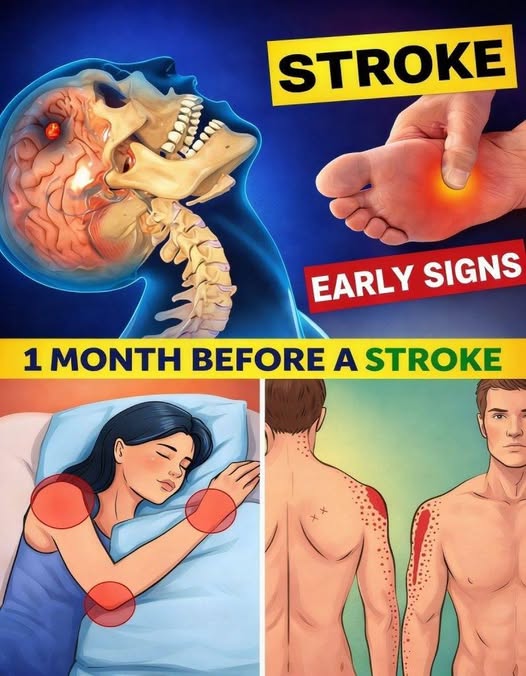
Learn 8 possible warning symptoms associated with stroke and 9 evidence-based ways to reduce your risk, plus when sudden symptoms require emergency medical attention.
A stroke happens when blood flow to part of the brain is interrupted or when a blood vessel in the brain ruptures. Because brain cells can be damaged within minutes, recognizing symptoms and getting emergency treatment quickly can make a major difference.
You may see claims that eight specific warning signs reliably appear one month before a stroke. That’s not medically accurate. A stroke can happen suddenly, and there is no dependable checklist that predicts a stroke exactly 30 days in advance.
However, some people experience a transient ischemic attack (TIA) before an ischemic stroke. A TIA can produce stroke-like symptoms that disappear after a short time, but it is still a medical emergency and an important warning that a stroke may follow.
8 Warning Signs You Should Never Ignore
1. Sudden weakness or numbness
Sudden weakness or numbness of the face, arm, or leg—particularly on one side of the body—is one of the classic signs of stroke.
It may begin mildly and then become more noticeable.
2. Sudden difficulty speaking
A person may suddenly:
- Slur their words
- Have difficulty finding words
- Say things that don’t make sense
- Have trouble understanding what others are saying
Sudden speech changes should always be taken seriously.
3. Sudden vision problems
A stroke or TIA can cause sudden blurred, double, or lost vision in one or both eyes.
Even if vision returns to normal, sudden unexplained vision loss requires urgent medical assessment.
4. Sudden dizziness or loss of balance
A person may suddenly become extremely dizzy, unsteady, or unable to walk normally.
When these symptoms appear suddenly—particularly alongside other neurological symptoms—they can indicate a stroke.
5. Sudden severe headache
A sudden, unusually severe headache with no obvious explanation can be a warning sign of bleeding in or around the brain.
This is especially concerning when accompanied by vomiting, confusion, weakness, fainting, or neurological changes.
6. Sudden confusion
A person may suddenly have difficulty understanding what is happening, following a conversation, or answering simple questions.
Sudden confusion should not simply be attributed to tiredness or aging.
7. Sudden difficulty walking or coordinating movements
A person may suddenly stumble, lose coordination, or have difficulty controlling an arm or leg.
This can occur with certain types of stroke and requires urgent evaluation.
8. Symptoms that disappear after a few minutes
This is particularly important.
Stroke-like symptoms that completely disappear may represent a TIA. A TIA is sometimes called a “mini-stroke,” but it should not be considered harmless.
It can be a warning that a major stroke may occur later.
🚨 Remember FAST
If you suspect that someone is having a stroke, think FAST:
F — Face: Ask the person to smile. Does one side droop?
A — Arms: Ask them to raise both arms. Does one drift downward?
S — Speech: Ask them to repeat a simple sentence. Is their speech strange or slurred?
T — Time: If any of these signs are present, seek emergency medical help immediately.
Do not wait for symptoms to improve.
9 Ways to Reduce Your Stroke Risk
Not every stroke can be prevented, but controlling major risk factors can substantially reduce risk.
1. Control your blood pressure
High blood pressure is one of the most important modifiable stroke risk factors.
Have your blood pressure checked regularly and follow your healthcare professional’s treatment recommendations if it is elevated.
2. Don’t smoke
Smoking damages blood vessels and increases the risk of stroke. Quitting is one of the most important steps a smoker can take for cardiovascular health.
3. Manage cholesterol
High LDL cholesterol contributes to atherosclerosis, which can increase cardiovascular and stroke risk.
A healthcare professional can determine whether lifestyle changes, medication, or both are appropriate.
4. Keep diabetes under control
Persistently high blood glucose can damage blood vessels and increase stroke risk.
If you have diabetes, follow your treatment plan and monitor your blood sugar as recommended.
5. Exercise regularly
Regular physical activity can help improve blood pressure, cholesterol, blood sugar, fitness, and weight management.
For many adults, a combination of moderate aerobic activity and muscle-strengthening exercise is beneficial.
6. Eat a heart-healthy diet
Focus on foods such as:
- Vegetables and fruits
- Whole grains
- Beans and lentils
- Nuts and seeds
- Fish and other lean protein sources
Limit excessive sodium, highly processed foods, added sugars, and unhealthy fats.
7. Maintain a healthy weight
Excess body weight can contribute to high blood pressure, diabetes, sleep apnea, and other conditions that increase stroke risk.
Even modest improvements in weight and physical activity can benefit cardiovascular health.
8. Limit alcohol
Excessive alcohol consumption can increase blood pressure and contribute to stroke risk.
If you drink, keeping consumption within recommended limits is safer than heavy or binge drinking.
9. Don’t ignore heart rhythm problems
Certain heart rhythm disorders, particularly atrial fibrillation, can increase the risk of blood clots that travel to the brain.
If you experience persistent palpitations or have been diagnosed with an abnormal rhythm, speak with a healthcare professional about appropriate evaluation and treatment.
A Stroke Is an Emergency
The most important message isn’t identifying symptoms “one month before.” It’s recognizing sudden neurological changes when they happen.
If someone suddenly develops facial drooping, weakness or numbness, difficulty speaking, vision loss, severe unexplained dizziness, or another concerning neurological symptom, seek emergency medical care immediately—even if the symptoms disappear.
Treatment options for some strokes are time-sensitive, so delaying care can result in preventable brain injury.
Final Thoughts
There is no medically reliable list of symptoms that predicts a stroke exactly one month beforehand. However, TIA and sudden neurological symptoms can provide an important warning and should never be dismissed.
The best long-term protection comes from controlling blood pressure, cholesterol, diabetes, smoking, physical activity, diet, weight, alcohol intake, and heart rhythm problems.