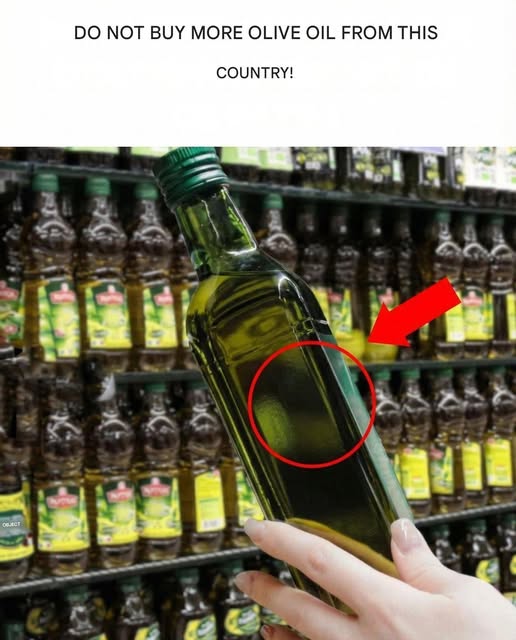
Is your olive oil really extra virgin? Learn how olive oil fraud happens, what “extra virgin” means, how to spot questionable bottles, and how to choose a better-quality oil.
Olive oil is often described as one of the healthiest cooking fats, especially when it is extra virgin olive oil (EVOO). But sensational claims that “80% of olive oil is fake” can make shoppers wonder whether the bottle in their kitchen is genuine.
The reality is more nuanced.
Olive-oil fraud and mislabeling have been documented, but there is no reliable evidence that exactly 80% of all olive oil sold is fake. Fraud rates vary considerably depending on the country, product category, testing method, and market being studied.
So how can you make a smarter choice?
What Does “Extra Virgin” Actually Mean?
Extra virgin olive oil is not simply olive oil with a fancy label.
It is the highest recognized commercial grade of olive oil and must meet specific chemical and sensory standards.
It should have desirable flavor characteristics and no significant sensory defects. It is also produced through mechanical or other physical means rather than chemical extraction.
That means a bottle labeled “extra virgin” is making a specific quality claim.
What Does “Fake Olive Oil” Mean?
There are several different problems that may be described as olive-oil fraud.
For example, a product may be:
- Blended with cheaper vegetable oils
- Made from lower-quality olive oil but marketed as extra virgin
- Misrepresented regarding its geographical origin
- Incorrectly labeled regarding its quality grade
- Sold using misleading packaging or claims
These aren’t all the same type of fraud.
A bottle can contain real olive oil but still fail to meet the standards required for the grade printed on the label.
Why Is Olive Oil Sometimes Adulterated?
High-quality extra virgin olive oil can be relatively expensive to produce.
Lower-cost oils may therefore create an incentive for dishonest suppliers to dilute or misrepresent products.
The problem is particularly difficult for consumers because you generally cannot determine authenticity simply by looking at the liquid.
Color, clarity, and even taste aren’t reliable enough to prove that an oil is genuine.
Don’t Believe the “Put It in the Fridge” Test
One popular internet trick claims that genuine olive oil will solidify or become cloudy when refrigerated.
This isn’t a reliable authenticity test.
Olive oil contains different fatty acids and compounds, and its behavior at low temperatures varies. Refrigeration cannot reliably distinguish authentic olive oil from adulterated oil.
Similarly, using a freezer test at home doesn’t provide a scientifically dependable answer.
Can You Tell by the Color?
Not reliably.
Extra virgin olive oil can range from green to golden yellow depending on factors such as olive variety, ripeness, processing, and storage.
A darker green color does not automatically mean better quality.
In professional olive-oil tasting, color is often deliberately prevented from influencing sensory evaluation for precisely this reason.
Look Carefully at the Label
When shopping, pay attention to what the bottle actually says.
Look for:
“Extra virgin olive oil”
rather than vague descriptions such as “olive oil blend” if you’re specifically looking for EVOO.
Also look for information about:
- Producer or bottler
- Country or region of origin
- Harvest information when available
- Lot or batch information
- Appropriate quality certifications
A harvest date can be particularly useful because olive oil is best enjoyed relatively fresh.
Buy From Reputable Producers
One of the simplest strategies is to purchase from established producers or retailers with transparent sourcing.
A very low price compared with similar products isn’t proof of fraud, but an unusually cheap bottle marketed as premium extra virgin olive oil deserves some skepticism.
Independent certification programs can also provide additional assurance, depending on where you live.
“Cold Pressed” Doesn’t Automatically Mean Better
You may see phrases such as “cold pressed” or “first cold pressed” on bottles.
These terms can be informative, but they don’t automatically guarantee that an oil is excellent or authentic.
If you’re specifically looking for extra virgin olive oil, the most important consideration is that it actually meets the applicable standards for that grade.
What About Taste?
Taste can provide useful information about quality, although it cannot prove authenticity on its own.
High-quality extra virgin olive oil may have fresh, fruity characteristics and can sometimes have a pleasantly bitter or peppery sensation.
Those characteristics are not defects. They can be associated with naturally occurring compounds in good-quality oil.
On the other hand, rancid, musty, or otherwise unpleasant flavors can indicate that an oil is old, poorly stored, or defective.
Store Your Olive Oil Properly
Even authentic extra virgin olive oil can deteriorate if stored poorly.
The main enemies are:
Light, heat, oxygen, and time.
For better preservation:
- Keep the bottle tightly closed.
- Store it somewhere cool and dark.
- Avoid leaving it beside a hot stove.
- Prefer appropriately sized bottles if you use olive oil slowly.
- Don’t keep an opened bottle for years.
Dark glass or opaque packaging can provide better protection from light than clear bottles.
Does Expensive Always Mean Authentic?
No.
Price can provide context, but it isn’t an authenticity test.
A very expensive bottle can still be poorly stored or mislabeled, while a reasonably priced product from a reputable producer may be excellent.
The combination of reputable sourcing, clear labeling, appropriate certification, and good storage is more useful than price alone.
The Bottom Line
The statement that “80% of olive oil is fake” should not be treated as a universal fact. Olive-oil fraud is a genuine concern, but the actual prevalence varies by market and by what researchers classify as fraud or non-compliance.
You don’t need to panic about every bottle in your pantry.
Choose extra virgin olive oil from reputable producers, examine the label carefully, look for credible certification where available, and store the bottle away from heat and light.
And remember: there is no reliable refrigerator, freezer, or color test that can prove whether your olive oil is authentic. Proper laboratory analysis is far more dependable.
This article is for general educational purposes. Olive-oil grading and labeling requirements vary by country.