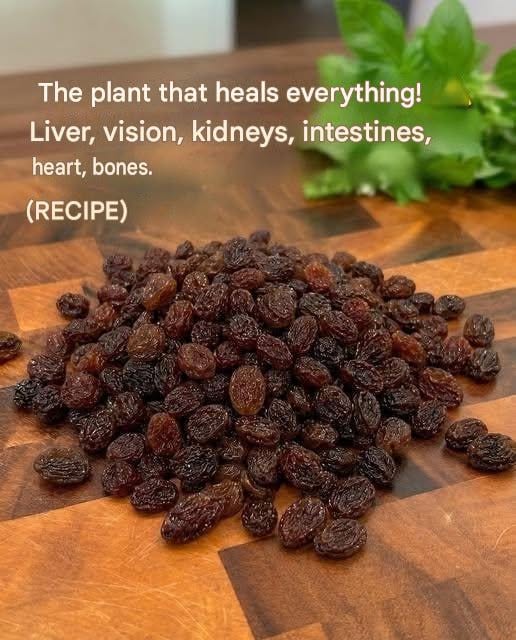
Can one plant really heal the liver, kidneys, eyes, intestines, heart, and bones? Learn what medicinal plants can realistically do, why “cure-all” claims are misleading, and how to use herbal remedies safely.
The idea of a single plant that can heal everything from the liver and kidneys to the eyes, heart, intestines, and bones sounds almost too good to be true.
And medically speaking, it is.
There is no scientifically established plant that can cure or “heal everything” in the human body. Different organs can develop very different diseases, and each condition may require a completely different form of treatment.
However, many plants do contain biologically active compounds that can contribute to a healthy diet and may have specific health effects.
The key is separating reasonable nutritional benefits from exaggerated cure-all claims.
Why Are “Miracle Plants” So Popular?
Plants have been used medicinally for thousands of years. Modern medicine has also developed important drugs from plant compounds.
That history can make it tempting to believe that one particular herb can solve numerous unrelated health problems.
But laboratory findings do not automatically mean that eating or drinking the whole plant will treat a disease in humans.
A compound may show an effect in a laboratory experiment while having little or no proven therapeutic effect when consumed as food or tea.
Can a Plant Heal the Liver?
Some plant foods contain antioxidants and other compounds that support a healthy diet.
But this is very different from saying that a plant can repair liver damage or cure liver disease.
Liver problems can have many causes, including viral infections, alcohol-related injury, metabolic disease, medications, autoimmune conditions, and inherited disorders.
If liver tests are abnormal or symptoms such as jaundice, persistent abdominal pain, swelling, or unexplained weight loss occur, medical evaluation is much more important than relying on an herbal remedy.
What About Kidney Health?
A balanced diet and adequate hydration can support normal kidney function.
However, people with kidney disease need to be especially careful with herbal products.
Some supplements can contain substances that affect kidney function or interact with prescription medications.
A “natural kidney cleanse” should therefore never be assumed to be safe simply because it comes from a plant.
Can Plants Improve Vision?
Certain nutrients found in leafy green vegetables, colorful fruits, and other plant foods are important for normal eye health.
Carotenoids such as lutein and zeaxanthin are examples of nutrients that have been studied in relation to eye health.
But nutrition cannot be used as a substitute for treatment of conditions such as cataracts, glaucoma, retinal disease, or sudden vision loss.
A sudden change in vision requires prompt medical attention.
Do Plants Heal the Heart?
Many plant-based foods can be part of a heart-healthy eating pattern.
Vegetables, fruits, legumes, whole grains, nuts, and seeds can provide fiber, potassium, vitamins, minerals, and other compounds that support overall cardiovascular health.
But no single herb should be expected to unclog arteries, reverse heart disease, or replace prescribed medication.
If someone has chest pressure, severe shortness of breath, fainting, or other possible heart-attack symptoms, emergency medical care is essential.
What About the Intestines?
Fiber-rich plant foods can be extremely helpful for digestive health.
Fiber supports normal bowel movements and feeds beneficial gut bacteria.
Different plants also contain different types of fiber, so eating a variety of vegetables, fruits, legumes, and whole grains is generally more useful than searching for one “magic” plant.
Persistent abdominal pain, blood in the stool, unexplained weight loss, or prolonged changes in bowel habits should be evaluated by a healthcare professional.
Can a Plant Strengthen Bones?
Plants can contribute important nutrients to bone health.
Depending on the food, these may include:
- Calcium
- Magnesium
- Vitamin K
- Potassium
- Protein
- Other micronutrients
But strong bones depend on much more than one food.
Adequate nutrition, resistance or weight-bearing activity, vitamin D status, and overall health all play roles.
People with osteoporosis or a high fracture risk may require specific medical treatment.
The Important Difference: Support vs. Cure
This is the most important point to remember.
A plant can be nutritious without being a medicine.
For example, a food may provide antioxidants or fiber that contribute to overall health. That does not mean it can cure a damaged organ.
Words such as:
- “Heals everything”
- “Cleanses every organ”
- “Regrows damaged tissue”
- “Cures disease naturally”
- “Doctors don’t want you to know this”
should immediately make you question the claim.
Are Herbal Remedies Always Safe?
No.
Herbal products can have powerful biological effects. They may also interact with medications or cause side effects.
Extra caution is appropriate for people who:
- Take prescription medicines
- Have liver or kidney disease
- Have heart conditions
- Are pregnant or breastfeeding
- Are preparing herbal products for children
- Are undergoing cancer treatment
- Have allergies to plants or herbs
“Natural” does not automatically mean “safe.”
How to Approach a Viral Plant Remedy
If you encounter a claim that one plant can heal several organs, ask:
What exactly is the plant?
What condition is it supposed to treat?
Has the claim been studied in humans?
Was the research performed on the plant itself, an extract, or an isolated compound?
Could it interact with medications?
These questions can help distinguish genuine nutritional information from sensational health claims.
The Bottom Line
There is no single plant scientifically proven to heal the liver, vision, kidneys, intestines, heart, and bones all at once.
Plants can absolutely be valuable parts of a healthy diet, and some plant-derived compounds have important medical uses. But treating serious diseases requires identifying the actual cause and using evidence-based care.
Instead of searching for one miracle plant, focus on a varied diet rich in vegetables, fruits, legumes, whole grains, nuts, and other nutrient-dense foods—and seek medical advice when symptoms or abnormal test results occur.
This article is for general educational purposes and does not replace diagnosis or treatment from a qualified healthcare professional.