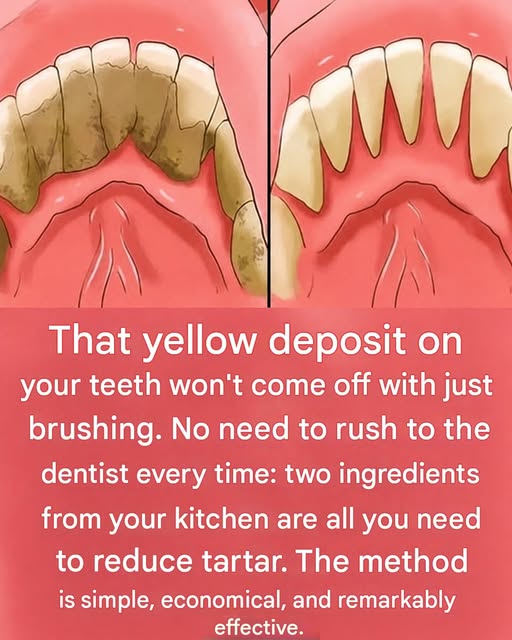
Discover safe ways to reduce tartar buildup at home, improve oral hygiene, and prevent new deposits. Learn what you can safely do yourself—and when professional dental cleaning is necessary.
Be Your Own Dentist? Tips for Managing Tartar Buildup at Home
Tartar, also called dental calculus, is hardened plaque that sticks firmly to the teeth. Unlike soft plaque, tartar generally cannot be completely removed with ordinary brushing once it has hardened.
However, you can take several steps at home to reduce plaque, slow tartar buildup, and protect your teeth and gums.
1. Brush Twice a Day
Brush for about two minutes twice daily using a fluoride toothpaste and a soft-bristled toothbrush. Pay particular attention to the gumline, where plaque commonly accumulates.
Avoid brushing aggressively, as excessive pressure can irritate the gums and wear down tooth enamel.
2. Floss Every Day
A toothbrush cannot effectively clean between the teeth. Daily flossing—or using an interdental brush—helps remove food particles and plaque from these difficult-to-reach areas.
3. Consider an Electric Toothbrush
An electric toothbrush can make it easier to clean thoroughly, especially around the gumline and other hard-to-reach areas. Follow the manufacturer’s instructions and replace the brush head regularly.
4. Use an Antiseptic Mouthwash
A therapeutic mouthwash may help reduce bacteria and plaque as part of a good oral-hygiene routine. It should complement brushing and flossing rather than replace them.
5. Don’t Try to Scrape Tartar Off Yourself
This is one of the most important points. Do not use needles, knives, metal tools, or sharp household objects to remove tartar. Trying to scrape hardened deposits away yourself can damage your gums, scratch tooth surfaces, or cause bleeding and infection.
Likewise, popular DIY mixtures such as baking soda, vinegar, or lemon should not be relied on to dissolve tartar. Acidic substances can contribute to enamel erosion.
6. Drink More Water
Drinking water throughout the day helps rinse away food particles and supports saliva production. Water is especially useful after meals when brushing isn’t immediately possible.
7. Limit Frequent Sugary Snacks
Frequent consumption of sugary foods and drinks can encourage plaque formation and increase the risk of tooth decay. Choosing water instead of sugary beverages and limiting between-meal snacking can help protect your teeth.
When Should You See a Dentist?
If tartar has already hardened, professional dental cleaning is the safest and most effective way to remove it. A dentist or dental hygienist can remove deposits that brushing and flossing cannot.
Make a dental appointment if you have:
- Bleeding or swollen gums
- Persistent bad breath
- Gum tenderness or pain
- Loose teeth
- Significant tartar buildup
- Tooth sensitivity or persistent toothache
Bottom line: You can prevent and control plaque at home, but you shouldn’t try to become your own dentist by scraping hardened tartar away. Good daily oral hygiene plus professional cleanings when needed is the safest approach.