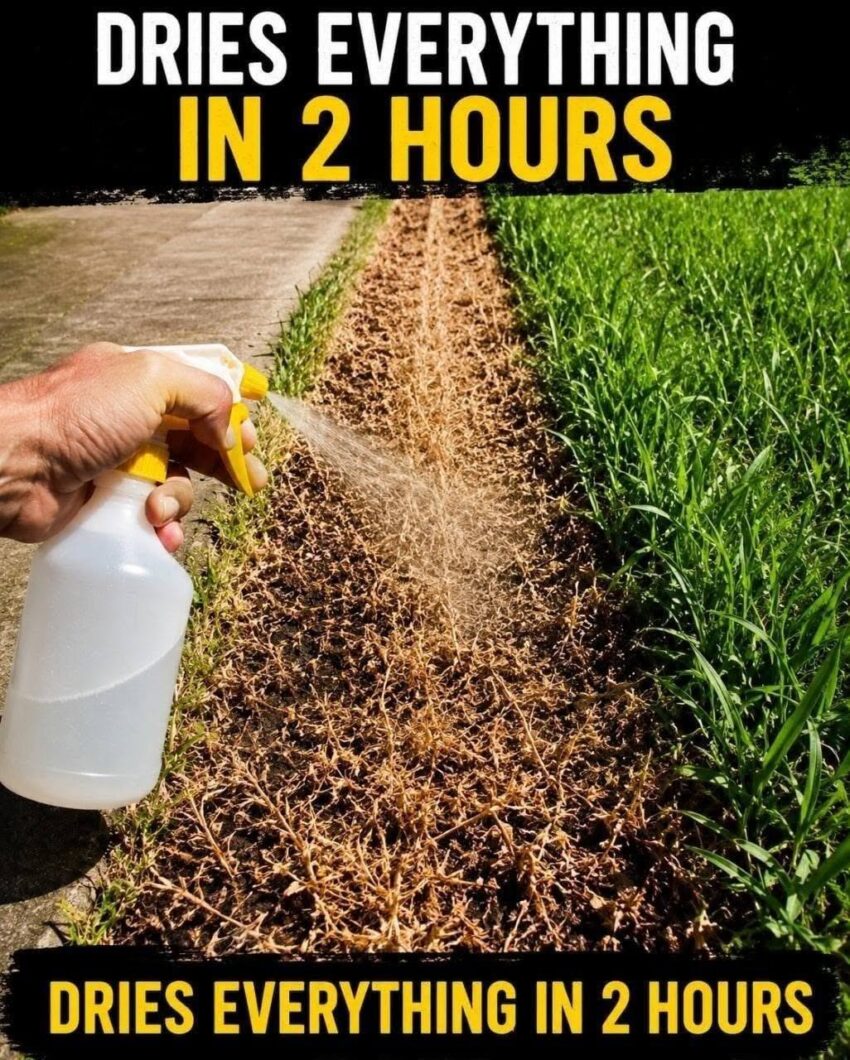
Discover simple homemade herbicide recipes for controlling unwanted weeds using common household ingredients, plus safe application tips for your garden.
Best Homemade Herbicide: A Simple Solution for Unwanted Weeds
Unwanted weeds can quickly take over garden beds, pathways, driveways, and other outdoor spaces. While commercial weed killers are widely available, many gardeners prefer simpler alternatives made from ingredients they already have at home.
A homemade herbicide can be useful for controlling weeds when applied carefully. One of the most common approaches uses white vinegar, sometimes combined with a small amount of dish soap to help the solution spread across the leaves.
However, homemade weed killers are generally non-selective. That means they can damage desirable plants as well as weeds, so careful application is essential.
What Is a Homemade Herbicide?
A homemade herbicide is a weed-control mixture prepared from household or readily available ingredients.
Unlike commercial herbicides, homemade formulas usually have limited effectiveness and may work best on small, young, or actively growing weeds. They are particularly useful for weeds growing in cracks, gravel areas, paths, and other locations where desirable plants are not nearby.
Simple Homemade Vinegar Herbicide
A straightforward option is:
Ingredients
- 1 gallon of white vinegar
- A small amount of liquid dish soap
How to Make It
- Pour the vinegar into a suitable container.
- Add a small amount of liquid dish soap.
- Stir gently to combine.
- Transfer the mixture to a labeled spray bottle or garden sprayer.
The dish soap is not primarily the weed-killing ingredient. Instead, it can help the liquid spread over the waxy surface of leaves.
How to Apply Homemade Herbicide
For the best results, apply the mixture directly to the foliage of unwanted weeds.
Choose a dry, calm day when rain is not expected shortly after application. Thoroughly wet the weed leaves without spraying surrounding plants.
Young weeds are generally easier to control than large, established weeds with extensive roots.
For persistent weeds, the plants may require repeated removal rather than relying on a single application.
Where Homemade Herbicide Works Best
Homemade vinegar-based solutions can be particularly convenient for weeds growing in:
- Cracks in sidewalks
- Driveways
- Gravel paths
- Patio edges
- Areas between paving stones
- Other locations away from desirable vegetation
They are less suitable for areas where you want to preserve surrounding grass, flowers, vegetables, or other plants.
Why Vinegar Can Kill Weeds
Household vinegar contains acetic acid. When concentrated enough and applied directly to plant foliage, acetic acid can damage plant tissues and cause visible browning or wilting.
However, this effect does not necessarily mean the entire root system has been eliminated. Some established perennial weeds may grow back after the foliage is damaged.
Important: Homemade Herbicides Are Not Selective
One of the biggest disadvantages of homemade weed killers is that they generally cannot distinguish between weeds and plants you want to keep.
If vinegar lands on flowers, vegetables, ornamental plants, or grass, it can cause damage.
For this reason, avoid spraying on windy days and use a targeted application method when weeds are growing close to desirable plants.
What About Salt?
Salt is sometimes recommended as a homemade weed killer, but it is not a good choice for most garden soil.
Salt can accumulate in soil and interfere with the ability of plants to absorb water. It can also damage desirable vegetation and negatively affect soil conditions.
For these reasons, it is generally better to avoid adding salt to garden beds or areas where you intend to grow plants in the future.
Does Dish Soap Kill Weeds?
Dish soap by itself is generally not an effective herbicide. Its main potential role in a homemade spray is as a surfactant, helping the liquid coat plant leaves more evenly.
Using too much soap can unnecessarily increase the risk of plant damage and may also create problems if the mixture runs into surrounding soil or water.
Natural Weed-Control Alternatives
If you want to minimize the use of herbicides altogether, several physical methods can be highly effective.
Hand Pulling
For small gardens, pulling weeds by hand is one of the simplest options. Try to remove as much of the root system as possible, particularly with perennial weeds.
Mulching
A layer of organic mulch can block light from reaching weed seeds and emerging seedlings. Mulching also helps conserve soil moisture.
Hoeing
Shallow hoeing can remove young weeds before they become established.
Boiling Water
Carefully applying boiling water directly to weeds can damage their tissues. This method is most appropriate for weeds growing in cracks or other areas where nearby plants will not be affected.
Be extremely careful when handling and transporting boiling water to prevent burns.
Tips for Preventing Weeds
The best weed-control strategy is often prevention.
Maintain a layer of suitable mulch around garden plants, remove weeds before they produce seeds, keep pathways maintained, and avoid disturbing soil unnecessarily.
Healthy, densely growing plants can also reduce the amount of open space available for weeds to establish.
Safety Tips
Even though homemade herbicides may contain common household ingredients, that does not automatically make them harmless.
Keep these precautions in mind:
- Label homemade mixtures clearly.
- Keep them away from children and pets.
- Avoid spraying near ponds, streams, drains, and other waterways.
- Do not spray edible crops unless the method is specifically appropriate for that crop.
- Wear gloves and eye protection when handling concentrated solutions.
- Avoid spraying desirable plants.
- Follow local regulations concerning weed-control products.
Final Thoughts
A simple vinegar-based spray can be a convenient option for controlling small weeds in areas such as cracks, paths, and driveways. However, it is not a universal replacement for commercial herbicides and may not permanently eliminate established perennial weeds.
For garden beds, mulching, hand-pulling, hoeing, and other physical control methods are often better choices because they reduce the risk of damaging plants and soil.
The best homemade weed-control method depends on where the weeds are growing, what type of weeds you are dealing with, and whether nearby plants need to be protecte