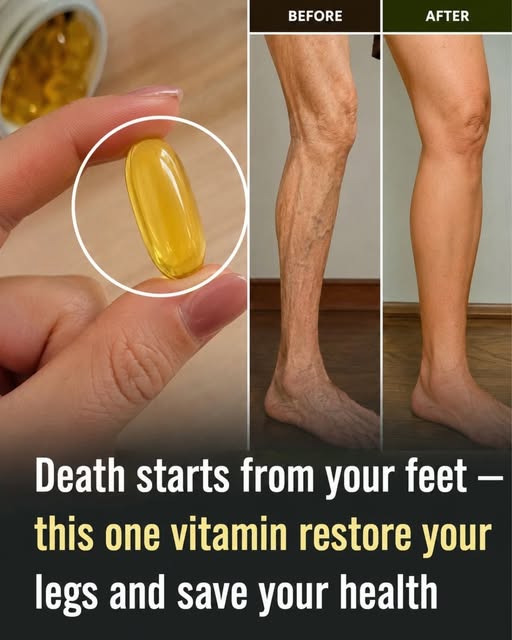
Learn which vitamins and nutrients may support healthy blood circulation in the legs and feet, what deficiencies can contribute to circulation problems, and when poor blood flow needs medical attention.
6 Vitamins That May Support Healthy Leg and Foot Circulation
Cold feet, tingling toes, numbness, or a heavy feeling in the legs can make you wonder whether your circulation is not working properly. While these symptoms can sometimes be related to nutrition, they can also have many other causes.
Certain vitamins and nutrients play important roles in maintaining healthy blood vessels, nerves, red blood cells, and overall cardiovascular function. Correcting a deficiency may help when inadequate nutrition is contributing to symptoms—but vitamins are not a guaranteed instant cure for poor circulation.
If you frequently experience circulation-related symptoms, it is important to identify the underlying cause rather than simply taking supplements.
1. Vitamin B12
Vitamin B12 is essential for healthy red blood cells and normal nerve function. A significant B12 deficiency can contribute to anemia and neurological symptoms such as numbness, tingling, weakness, and balance problems.
People at increased risk of B12 deficiency can include those with certain digestive conditions, people following strict vegan diets without fortified foods or supplements, and people taking certain medications.
Foods containing B12 include:
- Fish and seafood
- Meat
- Eggs
- Milk and dairy products
- Fortified foods
If numbness or tingling in your feet is persistent, a healthcare professional can determine whether checking your B12 level is appropriate.
2. Vitamin B6
Vitamin B6 is involved in numerous processes in the body, including normal nervous-system function and the production of red blood cells.
However, more is not necessarily better. Taking excessive amounts of vitamin B6 supplements for extended periods can actually cause nerve damage and lead to symptoms such as tingling or numbness.
Good food sources include poultry, fish, potatoes, chickpeas, bananas, and fortified cereals.
For this reason, it is better to avoid high-dose B6 supplements unless a healthcare professional recommends them.
3. Folate (Vitamin B9)
Folate is necessary for DNA production and the formation of healthy red blood cells. Severe folate deficiency can contribute to a type of anemia that may cause fatigue, weakness, and shortness of breath.
Natural sources include:
- Leafy green vegetables
- Beans and lentils
- Asparagus
- Avocado
- Citrus fruits
- Fortified grains
Getting adequate folate through a balanced diet is generally preferable to taking large doses without medical advice.
4. Vitamin C
Vitamin C is an antioxidant that contributes to normal collagen production and helps maintain healthy connective tissues, including those associated with blood vessels.
Excellent food sources include:
- Oranges
- Guava
- Kiwi
- Strawberries
- Bell peppers
- Broccoli
- Tomatoes
Rather than relying on high-dose supplements, adding a variety of vitamin-C-rich fruits and vegetables to your meals can be a simple way to meet your nutritional needs.
5. Vitamin D
Vitamin D is important for bone health, muscle function, and several other processes in the body. Low vitamin D levels are common in some populations, although taking vitamin D supplements should not be considered a direct treatment for poor circulation.
If you suspect you are deficient, a healthcare professional can recommend whether a blood test is appropriate.
Food sources include fatty fish, egg yolks, and fortified foods. Sunlight exposure also contributes to vitamin D production, although the amount produced varies considerably depending on factors such as skin type, season, location, and sun exposure.
6. Vitamin E
Vitamin E is an antioxidant that helps protect cells from oxidative damage. Nuts, seeds, vegetable oils, and some green vegetables provide vitamin E.
However, taking large amounts of vitamin E supplements is not a proven way to quickly improve circulation and can be inappropriate for some people, particularly because high doses may increase bleeding risk or interact with medications.
Getting vitamin E primarily from food is generally the safer approach for most people.
Don’t Ignore Persistent Poor Circulation
Although nutritional deficiencies can contribute to certain symptoms, poor circulation should not automatically be blamed on a vitamin deficiency.
Reduced blood flow to the legs can occur with conditions such as peripheral artery disease (PAD), diabetes, vascular disease, smoking-related damage, or other medical problems.
Symptoms that deserve medical attention include:
- Persistent numbness or tingling
- Leg pain while walking that improves with rest
- One foot consistently feeling colder than the other
- Pale, bluish, or unusually dark skin
- Slow-healing wounds on the feet or legs
- Recurrent cramps or weakness
- Swelling that does not go away
When It Could Be an Emergency
Sudden severe leg pain, a suddenly cold or pale foot, significant swelling, or a limb that becomes numb or weak unexpectedly should not be treated with vitamins at home.
These symptoms can sometimes indicate an urgent circulation problem and require prompt medical assessment.
What Can You Do Naturally?
Supporting cardiovascular health involves much more than taking supplements.
Regular physical activity, avoiding tobacco, maintaining a healthy weight, managing blood pressure and blood sugar, eating a balanced diet, and following treatment prescribed for underlying conditions can all be important for vascular health.
Walking is particularly useful for many people because regular movement engages the muscles of the legs and supports overall cardiovascular fitness. However, people with significant leg pain or diagnosed vascular disease should ask their healthcare professional what level of exercise is appropriate.
The Bottom Line
Vitamins B12, B6, folate, C, D, and E all have important roles in normal body function, and correcting a genuine nutritional deficiency can improve health.
But there is no vitamin that can reliably “instantly” reverse poor blood flow in the legs and feet.
If you regularly experience cold feet, numbness, tingling, leg pain, or slow-healing wounds, finding the cause is much more important than simply taking a supplement. A healthcare professional can help determine whether the problem is nutritional, neurological, vascular, or related to another condition.
The best approach is simple: use food to meet nutritional needs whenever possible, avoid unnecessary high-dose supplements, and get persistent circulation symptoms checked rather than trying to mask them.