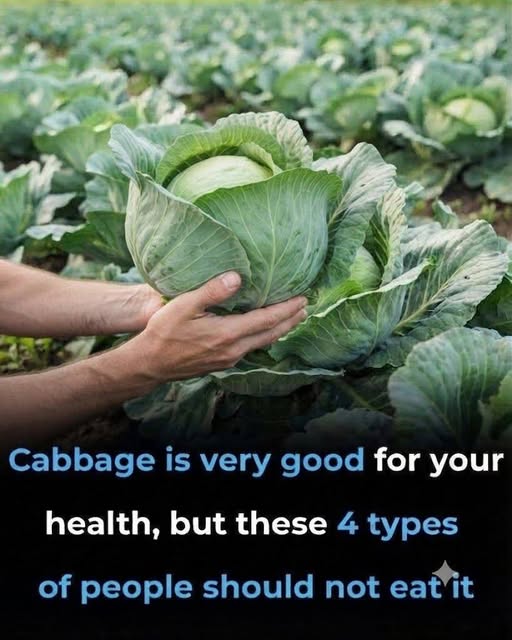
Cabbage is nutritious for most people, but certain individuals may need to limit or modify their intake. Learn who should be cautious with cabbage and how preparation and portion size can make a difference.
Cabbage May Not Be the Best Choice for These 4 Groups of People
Cabbage is packed with nutrients, fiber, vitamin C, vitamin K, and other beneficial plant compounds. For most people, it can be a healthy addition to a balanced diet.
However, cabbage isn’t ideal for everyone in unlimited amounts. Certain health conditions, medications, and digestive sensitivities may make it necessary to adjust how much you eat.
Here are four groups of people who may need to be particularly careful.
1. People Taking Warfarin
Cabbage and other leafy vegetables contain vitamin K, which plays an important role in blood clotting.
People taking the blood thinner warfarin don’t necessarily need to avoid cabbage completely. The more important issue is maintaining a consistent intake of vitamin K rather than suddenly eating dramatically more or less than usual.
Large changes in vitamin K intake can affect how warfarin works.
If you take warfarin, talk with your healthcare professional before making major changes to your diet.
Don’t stop eating vegetables simply because you’re taking warfarin.
2. People With Sensitive Digestion or IBS
Cabbage contains fermentable carbohydrates that can cause digestive symptoms in some people.
Eating large portions may lead to:
- Gas
- Bloating
- Abdominal discomfort
- Changes in bowel movements
People with irritable bowel syndrome (IBS) can be particularly sensitive to certain fermentable carbohydrates.
If cabbage consistently causes digestive problems, try a smaller portion or experiment with how your body responds to cooked versus raw cabbage.
3. People With Certain Thyroid Concerns
Cabbage belongs to the cruciferous vegetable family, along with broccoli, cauliflower, kale, and Brussels sprouts.
These vegetables contain compounds sometimes described as “goitrogens.” This can sound alarming, but for most people, eating normal amounts of cooked cruciferous vegetables isn’t a problem.
The concern is greater with very large amounts of raw cruciferous vegetables, particularly in people with inadequate iodine intake or certain thyroid conditions.
Cooking cabbage reduces the activity of some of these compounds.
If you have a thyroid disorder, you generally don’t need to eliminate cabbage automatically. Instead, discuss your individual diet with your healthcare professional.
4. People With Certain Kidney-Stone Concerns
Cabbage is not one of the foods highest in oxalates, but people who have been specifically advised to follow a low-oxalate diet because of recurrent calcium oxalate kidney stones should discuss their overall vegetable choices with their healthcare professional or dietitian.
The right diet depends on the type of kidney stone and the person’s individual risk factors.
More importantly, people with kidney stones should not assume that simply eliminating one vegetable will prevent future stones. Adequate fluid intake and an individualized dietary approach are usually much more important.
Does Cabbage Need to Be Avoided?
For most healthy people, no.
Cabbage can provide:
- Vitamin C
- Vitamin K
- Folate
- Fiber
- Antioxidant plant compounds
- Relatively few calories
The key is choosing an appropriate portion and preparation method for your individual situation.
Raw vs. Cooked Cabbage
Raw cabbage can be crunchy and nutritious, but it may cause more gas or bloating in people with sensitive digestion.
Cooking it can make it easier for some people to tolerate.
Try steaming, sautéing, roasting, or adding cabbage to soups instead of eating a very large raw portion.
One Important Myth
You may encounter claims online that cabbage is “dangerous” for everyone with thyroid problems or that it should never be eaten with certain medications.
These statements are generally far too broad.
Food effects depend on the quantity consumed, the person’s health, the medication involved, and the overall diet.
The Bottom Line
Cabbage is a healthy vegetable for most people, but four groups may need extra consideration:
People taking warfarin, people with digestive sensitivities, people with certain thyroid concerns, and people following an individualized diet for kidney-stone prevention.
That doesn’t automatically mean cabbage is forbidden.
In many cases, portion size, preparation, and consistency matter more than completely eliminating the food.
If you take prescription medication or have a medical condition, check with your doctor or dietitian before making major dietary changes.