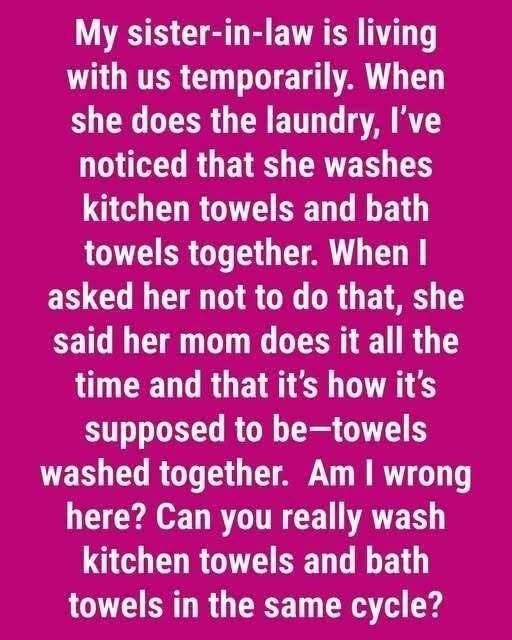
It may seem convenient to throw all your towels into the same washing machine load, especially when you’re trying to save time, water, and detergent. But kitchen towels and bath towels are used for very different purposes, so washing them together is not always the best idea.
Kitchen towels can come into contact with food residue, grease, raw meat juices, and other kitchen contaminants. Bath towels, meanwhile, are exposed mainly to skin, body oils, moisture, and bathroom bacteria.
So, can you wash kitchen towels and bath towels together? Technically, yes—but in most households, keeping them separate is the more hygienic choice.
1. Kitchen Towels Can Carry Food-Related Germs
Kitchen towels are often used to wipe countertops, dry dishes, clean spills, or dry hands.
If they’re used around raw meat, poultry, eggs, or unwashed vegetables, they may pick up microorganisms that you don’t want transferred to other laundry.
Even when a towel looks clean, it can contain bacteria from repeated use.
That’s one of the main reasons kitchen towels are better washed separately.
2. Bath Towels Have Their Own Type of Dirt
Bath towels aren’t necessarily “clean” just because they’re used after a shower.
They absorb moisture, dead skin cells, body oils, and sweat. If they’re left damp for too long, they can also develop a musty odor.
This doesn’t mean bath towels are dangerous, but their washing needs are different from kitchen towels.
3. Grease From Kitchen Towels Can Transfer
Kitchen towels can become surprisingly greasy.
A towel used to wipe cooking surfaces may contain oils, butter, sauces, or food particles. Washing these towels with bath towels can allow some of that residue to spread throughout the load.
This is particularly undesirable if you’re trying to keep white or light-colored bath towels fresh.
4. Different Towels May Need Different Washing Temperatures
Kitchen towels that are heavily soiled may benefit from a hotter wash, provided the care label allows it.
Some bath towels, especially those made with particular blends or decorative materials, may have different washing instructions.
Before combining them, check the care labels. If the recommended temperatures, detergent requirements, or washing instructions differ significantly, separate loads are the safer option.
5. Avoid Mixing Heavily Soiled Towels With Lightly Used Ones
Not every kitchen towel is equally dirty.
A towel used only to dry clean hands is very different from one used to wipe raw chicken juice from a counter.
Likewise, a bath towel used once after a shower is different from a towel that has remained damp for several days.
The more heavily soiled the towel, the stronger the reason to wash it separately.
6. Don’t Overload the Washing Machine
Another problem with combining towels isn’t necessarily bacteria—it’s the size of the load.
Towels are heavy and absorb a lot of water. A washing machine packed with bath towels and kitchen towels may not have enough room for proper movement.
When clothes and towels can’t move freely, detergent and water may not circulate effectively.
Give towels enough space to tumble properly.
7. When Can You Wash Them Together?
There are situations where washing them together may be reasonable.
For example, if the kitchen towels have been used only for drying clean hands or dishes and aren’t heavily soiled, and the bath towels are also relatively clean, you can technically wash them in the same load.
Use an appropriate detergent and follow the care labels.
However, if the kitchen towels have been used around raw meat or significant food spills, it’s better to keep them separate.
8. How to Wash Kitchen Towels Properly
For kitchen towels, good laundry habits are more important than simply choosing a particular detergent.
Try these habits:
- Wash kitchen towels regularly rather than letting them sit damp.
- Don’t leave wet towels crumpled in the laundry basket.
- Wash heavily soiled towels separately.
- Follow the care label for temperature.
- Use enough detergent for the size of the load.
- Dry towels completely after washing.
- Replace towels that remain stained or develop persistent odors.
9. How to Keep Bath Towels Fresh
Bath towels also need proper care.
Hang them up immediately after use so they can dry properly rather than leaving them in a pile.
Avoid putting a damp towel directly into a closed laundry basket for several days. Moisture trapped inside fabric can contribute to unpleasant smells.
Wash towels according to the manufacturer’s instructions and make sure they’re completely dry before storing them.
10. What About Using Bleach?
Bleach isn’t automatically necessary for every towel load.
If you’re washing white towels, chlorine bleach may be appropriate for some fabrics, but always check the care label first. Colored towels may require a color-safe alternative.
Also, never mix bleach with acids, ammonia, or other cleaning chemicals. Dangerous fumes can result.
Kitchen Towels vs. Bath Towels: The Simple Rule
A useful rule is:
If a kitchen towel has touched food, grease, raw meat, or dirty kitchen surfaces, wash it separately from your bath towels.
If a kitchen towel has only been used lightly—for example, to dry clean hands—it poses less of a concern, but separate loads are still the simplest way to maintain good hygiene.
What About Dishcloths and Cleaning Cloths?
These should generally be treated separately from bath towels.
Cleaning cloths can contain grease, cleaning chemicals, dirt, and microorganisms from surfaces around the home.
It’s better to create separate laundry groups:
Kitchen: dish towels, kitchen towels, dishcloths
Bathroom: bath towels, hand towels, washcloths
Cleaning: floor cloths, dusting cloths, heavily soiled cleaning rags
This system makes laundry easier and reduces unnecessary cross-contamination.
Final Verdict
Yes, kitchen towels and bath towels can physically be washed in the same washing machine, but separating them is usually the better hygiene practice.
Kitchen towels can carry food residue, grease, and microorganisms from food-preparation surfaces, while bath towels have different types of soil and moisture.
For the cleanest routine, keep kitchen, bathroom, and heavily soiled cleaning towels in separate loads whenever practical.
It takes a little more laundry, but it’s a simple habit that can help keep your household textiles cleaner and fresher.
Meta Description
Can you wash kitchen towels and bath towels together? Learn when it’s safe, why separating them is usually better, and how to wash towels hygienically.