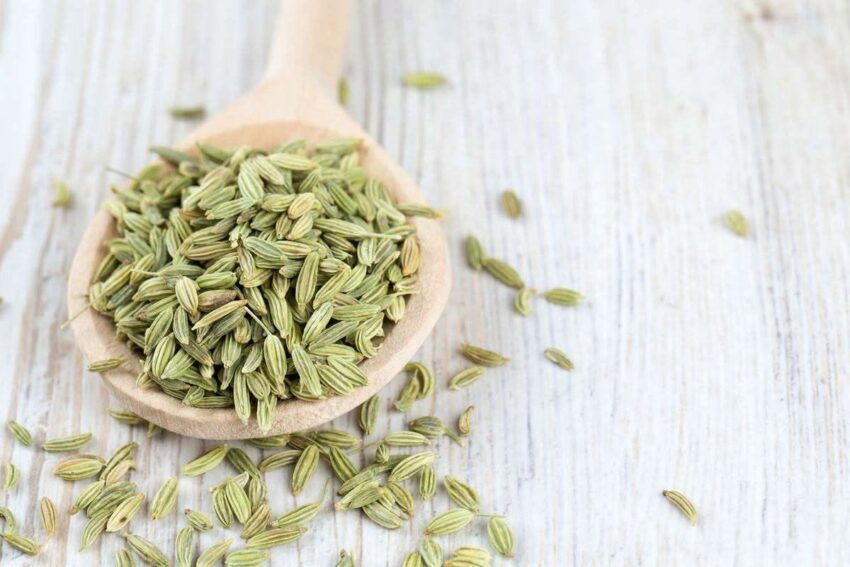
For generations, fennel seeds have been used as a traditional after-meal digestive aid. In many homes, a small spoonful of fennel seeds—known as saunf—is offered after lunch or dinner, sometimes simply as a refreshing way to finish a meal.
But is there more to this familiar habit than its pleasant taste?
Fennel contains plant compounds and dietary fiber, and it has a long history of traditional use for digestive discomfort. Some early research has also explored whether fennel and its compounds could influence blood glucose and other aspects of metabolic health.
However, there’s an important distinction between traditional use, promising research, and proven medical treatment.
Chewing fennel seeds after a meal may be a pleasant addition to a healthy routine, but it shouldn’t be viewed as a way to control diabetes or replace prescribed treatment.
Let’s look at what this aromatic seed may—and may not—do.
What Exactly Are Fennel Seeds?
Fennel seeds come from the fennel plant, Foeniculum vulgare.
They have a naturally sweet, slightly licorice-like flavor and are commonly used in cooking, teas, spice blends, and traditional remedies.
Fennel contains various plant compounds, including aromatic oils such as anethole. It also provides small amounts of nutrients and fiber.
Because of its distinctive flavor and traditional association with digestion, fennel has become a popular after-meal food in several cultures.
Why Do People Chew Fennel After Eating?
The tradition is partly connected to digestion.
Some people find chewing fennel seeds soothing after a heavy meal, and fennel has traditionally been used for complaints such as gas, bloating, and abdominal discomfort.
The important word here is may.
People respond differently, and scientific evidence for fennel as a treatment for digestive disorders is not strong enough to guarantee that chewing the seeds will prevent or cure digestive problems.
Still, incorporating a small amount into an otherwise healthy diet is a reasonable culinary practice for most people.
1. Fennel May Support Comfortable Digestion
Fennel has traditionally been used as a digestive herb.
Its aromatic compounds may have effects on the gastrointestinal tract, and fennel preparations have been studied for digestive symptoms.
Some people report that chewing the seeds after a meal makes them feel less bloated or more comfortable.
However, persistent bloating, abdominal pain, reflux, diarrhea, constipation, or other digestive symptoms shouldn’t automatically be attributed to the meal.
If symptoms are frequent or severe, it’s better to investigate the underlying cause with a healthcare professional.
2. Fennel Contains Fiber
Whole fennel seeds contain dietary fiber.
Fiber is important for normal digestive health and can help support regular bowel movements when consumed as part of an adequate-fiber diet.
But a small spoonful of fennel seeds isn’t enough to provide all the fiber you need in a day.
A variety of foods—including vegetables, fruits, beans, lentils, whole grains, nuts, and seeds—should contribute to your overall fiber intake.
3. What About Blood Sugar?
This is where headlines about fennel need some caution.
Research has investigated fennel and its compounds for possible effects on blood glucose, but evidence in humans is limited and does not establish chewing fennel seeds after meals as a reliable blood-sugar-lowering treatment.
If you have diabetes or prediabetes, don’t use fennel seeds as a substitute for:
- Prescribed medication
- Blood-glucose monitoring
- A balanced eating pattern
- Physical activity
- Regular medical care
There is also an important practical point: fennel seeds are still a food. Eating large amounts isn’t a sensible strategy for controlling blood glucose.
Could Fennel Be Helpful After a Heavy Meal?
Possibly, particularly if you enjoy it as part of your normal eating routine.
Instead of thinking of fennel as a “detox” or medicinal cure, it’s more useful to view it as a flavorful seed that can complement a healthy diet.
A small amount after a meal can provide flavor and may feel refreshing.
The biggest digestive benefits, however, are likely to come from the overall meal and lifestyle—not one ingredient eaten afterward.
How Much Fennel Should You Eat?
There isn’t a universally established dose of fennel seeds specifically for improving digestion or blood sugar after meals.
For culinary use, a small amount is generally sufficient.
You can:
- Chew a small spoonful after a meal
- Add fennel seeds to cooked dishes
- Include them in homemade spice blends
- Brew fennel as a tea
If you’re using fennel for a specific health condition, speak with a healthcare professional rather than relying on a particular dose from social media or home-remedy websites.
Are Fennel Seeds Safe for Everyone?
Fennel is commonly consumed as a food, but “natural” doesn’t automatically mean risk-free.
Some people may experience allergic reactions, particularly those who are sensitive to plants in the carrot family.
People who are pregnant, breastfeeding, taking medications, or managing a chronic condition should discuss concentrated herbal products or supplements with a qualified healthcare professional.
Food-level use is different from taking concentrated fennel extracts or supplements.
Fennel Seeds vs. Fennel Tea
Both are common ways to consume fennel.
Chewing the Seeds
Chewing whole seeds provides their fiber and allows you to enjoy their natural flavor.
Drinking Fennel Tea
Fennel tea provides a warm, aromatic drink and may be a pleasant alternative to sugary beverages.
Neither should be considered a proven treatment for diabetes or a replacement for medical care.
What Really Helps Digestion After a Meal?
If your goal is better digestion, fennel can be only one small part of the picture.
Other helpful habits include:
Eat Slowly
Taking your time while eating can make meals more comfortable and gives your body time to recognize fullness.
Include Fiber Gradually
Vegetables, fruits, whole grains, legumes, nuts, and seeds can provide fiber.
If you’re increasing fiber significantly, do it gradually and drink enough fluids.
Stay Active
A gentle walk after eating can be a simple way to incorporate movement into your day.
Limit Foods That Trigger Your Symptoms
If certain foods consistently cause bloating, reflux, or discomfort, keeping track of what you eat may help you identify patterns.
Don’t Confuse Traditional Wisdom With Medical Treatment
Fennel has a long history in traditional food and herbal practices, and there’s nothing wrong with appreciating that tradition.
But modern health claims require evidence.
A food can be nutritious without being a medicine.
Fennel seeds may contribute flavor, fiber, and plant compounds to your diet. They may also be soothing for some people after a meal.
But there isn’t enough evidence to say that chewing fennel seeds reliably lowers blood sugar or treats a digestive disorder.
The Bottom Line
Chewing a small amount of fennel seeds after a meal can be a pleasant traditional habit and may help some people feel more comfortable after eating.
Fennel contains fiber and bioactive plant compounds, and researchers continue to study its potential health effects.
But when it comes to blood sugar, the evidence isn’t strong enough to treat fennel as a proven solution.
If you’re managing diabetes or another metabolic condition, continue following your healthcare professional’s recommendations.
And if you simply enjoy the refreshing taste of fennel after dinner, there’s a good reason to keep the tradition—but think of it as a flavorful food, not a miracle remedy.