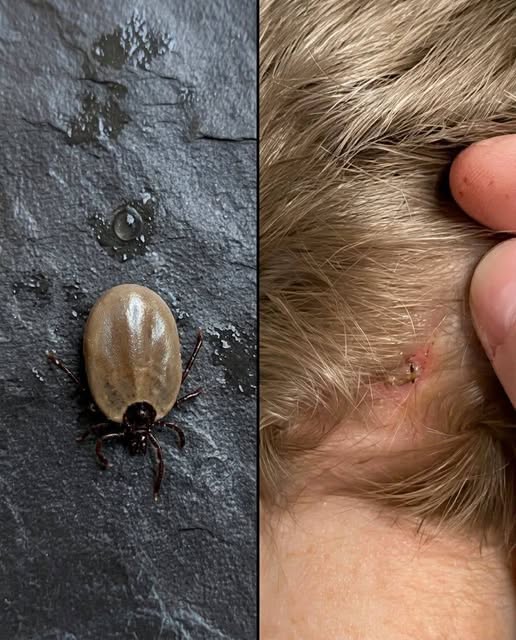
Found an insect on your child’s scalp? Learn how to distinguish head lice, ticks, and other insects, what signs to look for, and what to do safely after finding one.
Finding an unfamiliar insect on your child’s head can be alarming. The first reaction is often to assume it must be head lice, but not every insect found in the hair or on the scalp is a louse.
The safest approach is to identify what you’re dealing with before applying an insecticide, home remedy, or other treatment.
Could It Be Head Lice?
Head lice are tiny, wingless insects that live primarily on the human scalp and feed on blood.
Adult head lice are usually about the size of a small sesame seed. They can move quickly through the hair, making them difficult to spot.
Common signs include:
- Persistent scalp itching
- Scratching around the ears or back of the neck
- Small crawling insects in the hair
- Tiny eggs attached firmly to individual hairs
- Irritated or scratched areas on the scalp
A key clue is the location. Head lice generally remain close to the scalp because they need blood meals and warmth.
What Do Lice Eggs Look Like?
Lice eggs, called nits, are small and oval-shaped.
They are usually firmly attached to the hair shaft close to the scalp. This differs from ordinary dandruff or dry skin, which can usually be brushed or shaken away relatively easily.
Finding an empty shell or a nit far away from the scalp doesn’t necessarily mean there is an active infestation, so identifying live lice is particularly useful.
Could It Be a Tick?
A tick is another possibility, particularly if your child has recently been outdoors, played in grass, or been around animals.
Ticks can attach themselves to the scalp and may initially look like a small dark bump or unusual insect.
Unlike head lice, ticks attach to the skin and feed while remaining in place.
If you suspect a tick is attached, don’t crush it or cover it with oil, petroleum jelly, alcohol, or another substance. Tick-removal guidance generally recommends using fine-tipped tweezers to grasp the tick as close to the skin as possible and pulling upward steadily.
If you are unsure whether the object is actually a tick, having a healthcare professional identify it can be helpful.
What If It Was Just an Outdoor Insect?
Sometimes an insect can simply become trapped in someone’s hair after being outside.
A small beetle, ant, flea, plant insect, or other harmless insect can end up in the hair without causing an infestation.
This is why one insect by itself does not automatically mean your child has head lice.
The important question is whether additional insects or eggs are present.
How to Check Your Child’s Hair
Use bright lighting and carefully examine the scalp.
Pay particular attention to:
- Behind the ears
- The back of the neck
- Areas close to the scalp
- Hair around the temples
- Any areas your child has been scratching
A fine-toothed lice comb can also be useful. Comb through damp hair in small sections, starting close to the scalp and working toward the ends.
After each pass, inspect the comb carefully.
Don’t Immediately Use Insecticide
It’s tempting to reach for a lice treatment as soon as you see something crawling.
However, using a medicated lice product when your child doesn’t actually have lice is unnecessary and can irritate the scalp.
First establish what you’re dealing with.
If live lice are confirmed, follow the instructions for an age-appropriate treatment and consider checking other household members who have had close head-to-head contact.
When Should You Contact a Doctor?
Seek medical advice if:
- You believe a tick is attached to the scalp
- The scalp becomes increasingly red, swollen, painful, or warm
- There is pus or significant skin irritation
- Your child develops fever or feels unwell after a possible tick bite
- You cannot identify the insect
- Your child has a severe reaction after an insect bite
- You find persistent insects despite appropriate treatment
If your child develops difficulty breathing, facial swelling, widespread hives, severe weakness, or another serious allergic reaction, seek emergency medical care.
The Best Way to Identify It
If you still have the insect, take a sharp, close-up photograph. Place it on a plain surface and photograph it from above, preferably with good natural lighting. If possible, include something for scale, such as a ruler.
A photograph of the scalp or hair where you found it can also provide useful clues.
Bottom Line
Finding an insect on your son’s head doesn’t necessarily mean he has lice. Head lice, ticks, and accidental outdoor insects can look very different and require different approaches.
Before treating the scalp, try to identify the insect and check for additional insects or firmly attached eggs.
If you upload the photo, I can help you examine the visible features and explain what it most closely resembles.