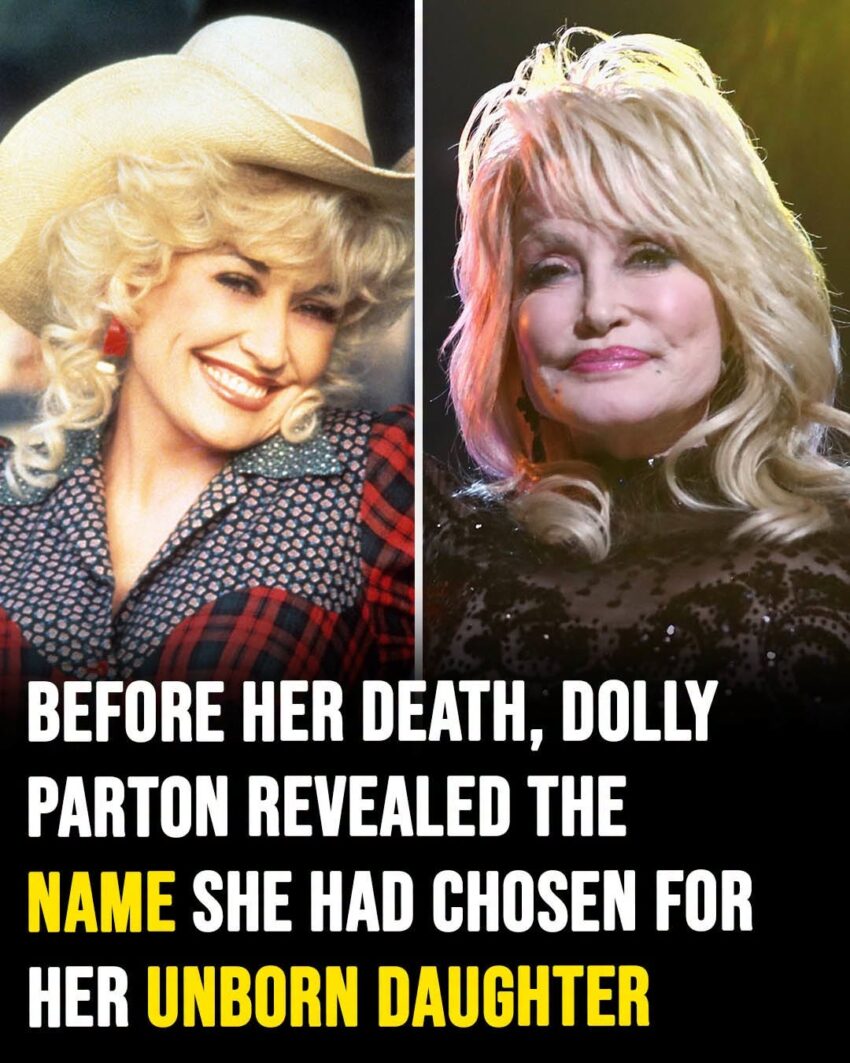
Dolly Parton has spent decades bringing joy to millions of people through her music, generosity, humor, and unmistakable personality. Although she never became a mother herself, that doesn’t mean motherhood was never part of her dreams.
Throughout her life, Parton has spoken openly about the possibility of having children and how different her life might have been if she had become a mother. Her career demanded enormous amounts of time and travel, and she has acknowledged that the path she ultimately chose came with sacrifices.
A Different Kind of Family
Parton and her husband, Carl Dean, married in 1966 and remained together for decades. They never had children, but family has always been an important part of Parton’s world.
She grew up in a large family in rural Tennessee, surrounded by siblings and relatives. That upbringing helped shape her understanding of love, family, and responsibility from an early age.
Even without children of her own, Parton developed a special connection with younger generations. She has often described herself as someone who enjoys encouraging children and helping them discover books, music, creativity, and confidence.
Her Career Changed the Picture
Parton’s extraordinary career became increasingly demanding as the years passed. She was writing songs, recording albums, performing around the world, acting, building businesses, and creating projects that eventually reached millions of people.
Motherhood and that lifestyle could have been difficult to balance.
Rather than presenting her decision as a simple choice, Parton has reflected on how life sometimes takes people in unexpected directions. What might have been one path became another, and she built a remarkable life around her music, family relationships, philanthropy, and creative work.
She Found Other Ways to Nurture Others
One of the most meaningful parts of Parton’s legacy is her work with children.
Through the Dollywood Foundation’s Imagination Library, she helped create a program that provides free books to young children. What began as a local effort in Tennessee grew into an international literacy initiative.
For Parton, encouraging children to read became one way of giving young people opportunities she believed could change their lives.
Her contribution wasn’t limited to entertainment. She used her success to invest in education, literacy, and children’s futures.
Motherhood Can Take Many Forms
Parton’s story also highlights an important truth: having no biological children doesn’t mean someone cannot have a profound influence on younger people.
A person can nurture, teach, encourage, mentor, protect, and inspire without being a parent.
Parton has played many of those roles in the lives of people around her. Her nieces and nephews have also been an important part of her family life, and she has spoken affectionately about them over the years.
A Life That Took an Unexpected Direction
There is sometimes an assumption that everyone who doesn’t have children must have experienced the same story. Real life is much more complicated.
For some people, becoming a parent simply doesn’t happen. For others, circumstances, career choices, relationships, health, or personal decisions lead them in another direction.
Parton’s life demonstrates that a person’s legacy doesn’t have to be defined by whether they became a parent.
Her songs, charitable work, business ventures, and dedication to children’s literacy have allowed her to leave an impact that reaches far beyond her immediate family.
Her Legacy Goes Beyond Motherhood
Dolly Parton’s story isn’t really about what she didn’t have. It’s about what she chose to do with the life she had.
She became one of the most recognizable figures in country music, built a successful entertainment career, supported numerous charitable causes, and created programs designed to help children.
Although she never raised children of her own, her influence on generations of young people is undeniable.
And perhaps that’s one of the most touching parts of her story: motherhood may not have unfolded in the way she once imagined, but her instinct to care for and encourage others found many different places to grow.