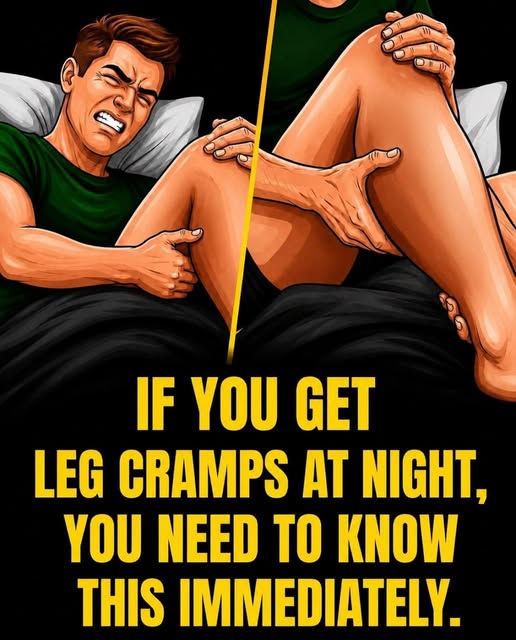
Waking up suddenly because your calf or foot has tightened into a painful knot can be frightening and frustrating. Nighttime leg cramps are common, and they often last only a few seconds to several minutes. But if they happen frequently, become severe, or are accompanied by other symptoms, they deserve attention.
A nighttime leg cramp is usually a sudden, involuntary contraction of a muscle, most often in the calf, foot, or thigh. The muscle may feel hard and intensely painful before gradually relaxing.
Most nighttime cramps are not dangerous. However, understanding possible triggers can help you reduce how often they occur and recognize when medical advice may be appropriate.
What Causes Leg Cramps at Night?
There isn’t always one clear cause. Several factors can contribute to nighttime muscle cramps.
1. Muscle Overuse or Fatigue
Doing more walking, exercise, standing, or physical activity than usual can leave muscles tired and more likely to cramp.
This can happen after a long day on your feet or after starting a new exercise routine.
2. Dehydration
Not drinking enough fluids may contribute to muscle cramps, particularly when combined with sweating or hot weather.
Rather than waiting until you feel extremely thirsty, try to drink fluids regularly throughout the day.
3. Prolonged Sitting or Standing
Spending many hours in one position can contribute to muscle stiffness and discomfort.
Gentle movement throughout the day may help keep your legs from becoming excessively tight.
4. Certain Medications
Some medications can increase the likelihood of muscle cramps in certain people. Examples include some medicines used for blood pressure or cholesterol management.
If cramps began after starting a new medication, don’t stop taking it on your own. Speak with your doctor or pharmacist.
5. Pregnancy and Age-Related Changes
Leg cramps can occur during pregnancy, while older adults also tend to experience nighttime cramps more frequently.
Changes in muscle condition, activity levels, circulation, and nerve function may all play a role.
6. Mineral or Electrolyte Imbalances
Changes involving minerals such as potassium, calcium, or magnesium can sometimes contribute to muscle problems.
However, taking supplements isn’t automatically the answer. Low mineral levels aren’t the cause of every leg cramp, and unnecessary supplementation can sometimes be harmful.
What Should You Do When a Leg Cramp Happens?
When a cramp wakes you up, your first goal is to gently relax the affected muscle.
Try these steps:
1. Gently stretch the muscle.
For a calf cramp, straighten your leg and slowly pull your toes toward your face.
2. Massage the area.
Use your hands to gently massage the tight muscle until it begins to relax.
3. Stand and walk carefully.
If you feel stable enough, slowly putting weight on the affected leg may help the muscle release.
4. Apply gentle warmth.
A warm shower, bath, or heating pad may help relax a tight muscle.
Avoid aggressive stretching or forceful massage while the muscle is intensely contracted.
How Can You Reduce Nighttime Leg Cramps?
You may be able to reduce cramps by paying attention to your daily habits.
Stay Hydrated
Drink fluids regularly, particularly during hot weather or after sweating heavily.
Your fluid needs vary depending on your activity, environment, diet, and health.
Stretch Before Bed
Gentle calf and hamstring stretches before going to sleep may be helpful for some people.
Try holding a comfortable stretch for around 20–30 seconds without bouncing.
Keep Your Legs Moving
If you sit for long periods, get up occasionally and walk around.
Simple ankle movements and gentle leg stretches can also help maintain mobility.
Don’t Suddenly Increase Exercise
If you’re starting a new workout routine, increase intensity gradually.
Going from little activity to intense exercise can place additional stress on muscles.
Pay Attention to Footwear
Uncomfortable footwear or spending long periods standing can contribute to leg and foot discomfort. Supportive, comfortable shoes may make a difference for some people.
Should You Take Magnesium for Leg Cramps?
Magnesium is often promoted as a solution for nighttime cramps, but it isn’t a universal cure.
Some people with a genuine magnesium deficiency may benefit from correcting it. However, routine magnesium supplementation doesn’t necessarily prevent ordinary nighttime leg cramps in everyone.
Before taking high-dose supplements, particularly if you have kidney problems or take medications, discuss it with a healthcare professional.
The same principle applies to potassium, calcium, and other supplements.
When Should You Talk to a Doctor?
Occasional leg cramps are usually not a reason for alarm. But frequent or worsening cramps should not simply be ignored.
Consider speaking with a healthcare professional if:
- Cramps happen repeatedly and disturb your sleep.
- They are becoming more frequent or severe.
- You have persistent muscle weakness.
- Your leg remains painful after the cramp has stopped.
- You experience numbness or changes in sensation.
- The cramps began after starting a new medication.
- You have swelling or other persistent leg symptoms.
- Cramps are interfering with your daily activities.
Seek urgent medical attention for concerning symptoms
A painful leg accompanied by significant swelling, redness, warmth, or unexplained tenderness can have causes other than an ordinary muscle cramp.
Likewise, sudden leg symptoms accompanied by chest pain, difficulty breathing, fainting, or coughing up blood require urgent medical evaluation.
Don’t assume every painful leg sensation is “just a cramp.”
A Simple Bedtime Routine for Your Legs
If nighttime cramps are bothering you, consider trying this simple routine:
- Take a short, gentle walk in the evening.
- Stretch your calves comfortably.
- Move your ankles through their normal range of motion.
- Drink fluids regularly during the day.
- Avoid suddenly increasing your exercise workload.
- Make sure your sleeping position is comfortable.
- Keep track of when the cramps occur and what you were doing that day.
Keeping a simple record can be surprisingly useful. You may notice that cramps occur after particularly active days, inadequate fluid intake, prolonged sitting, or certain medications.
The Bottom Line
Nighttime leg cramps are common and often harmless, but persistent cramps deserve attention. Dehydration, muscle fatigue, prolonged inactivity, medications, pregnancy, aging, and other factors can all play a role.
The best approach isn’t to automatically reach for a supplement or assume that one particular deficiency is responsible. Start with gentle stretching, regular movement, adequate hydration, and attention to possible triggers.
And if your cramps are frequent, unusually painful, or accompanied by swelling, weakness, numbness, or other concerning symptoms, talk with a healthcare professional.
Your body doesn’t always need panic—but recurring symptoms shouldn’t always be ignored either.
Meta Description
Nighttime leg cramps can be painful and disruptive. Learn common causes, what to do during a cramp, prevention tips, and warning signs that may require medical attention.