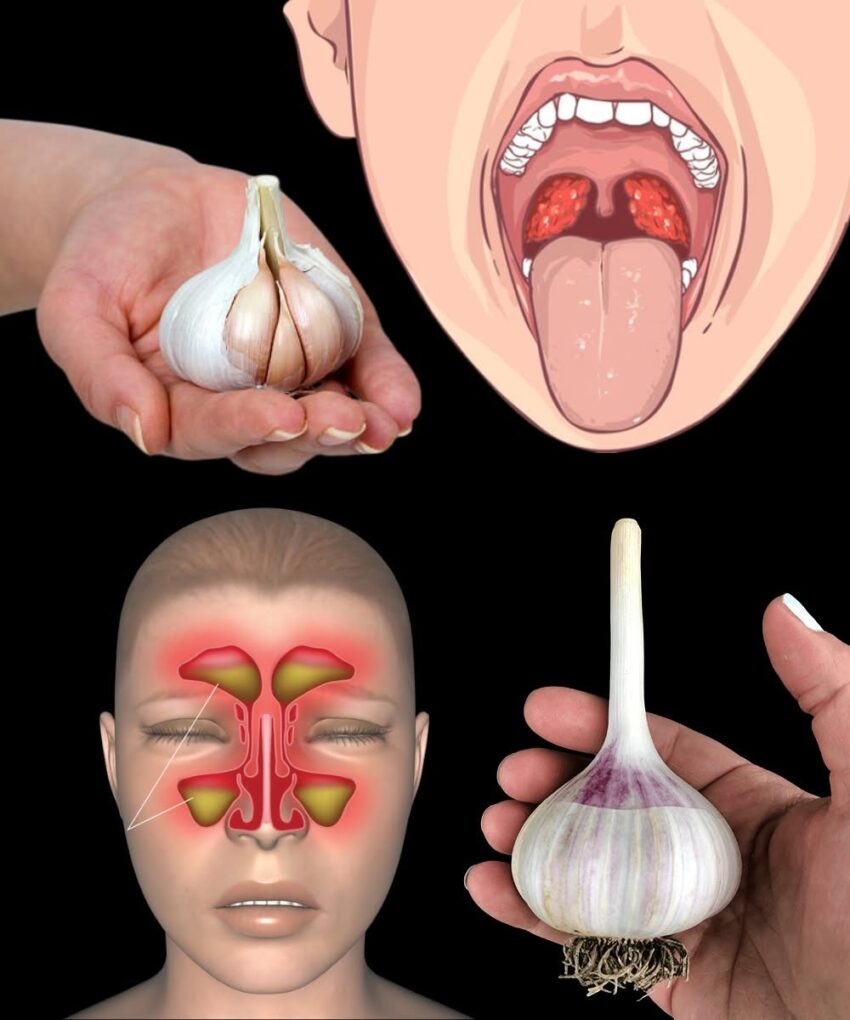
Garlic has been used in traditional medicine for centuries, and it contains compounds that have shown antimicrobial activity in laboratory studies. This has led to popular claims that garlic can “crush” urinary tract infections (UTIs) naturally.
But there is an important distinction between laboratory research and proven treatment in people.
Garlic may be part of a healthy diet, but there is currently not enough clinical evidence to recommend garlic as a treatment for an active UTI. If you have symptoms of a UTI, relying only on garlic or other home remedies could allow the infection to worsen.
What Causes a UTI?
A urinary tract infection usually occurs when bacteria enter and multiply in the urinary system. Common symptoms include:
- A burning sensation when urinating
- Needing to urinate frequently
- A strong urge to urinate
- Passing only a small amount of urine
- Cloudy or strong-smelling urine
- Pressure or discomfort in the lower abdomen
Some people may also develop blood in the urine.
Why Is Garlic Associated With UTI Treatment?
Garlic contains a sulfur-containing compound called allicin, which is produced when garlic is crushed or chopped. Laboratory research has investigated allicin and other garlic compounds for their antimicrobial properties.
However, results seen in laboratory experiments do not automatically mean that eating garlic will eliminate bacteria causing an infection inside the urinary tract.
More clinical research is needed before garlic can be considered a reliable treatment for UTIs.
Can You Eat Garlic If You Have a UTI?
For most people, garlic can be included in normal meals as part of a balanced diet.
You can add fresh garlic to foods such as:
- Soups
- Vegetables
- Rice dishes
- Sauces
- Beans and lentils
- Meat or chicken dishes
But eating extra garlic should not replace medical treatment for an established UTI.
What About Putting Garlic in the Vagina or Urinary Opening?
This is a common internet remedy, but it is not recommended.
Putting raw garlic into the vagina or urinary opening can cause irritation, burning, or tissue injury. It also does not provide a proven way to treat a urinary infection.
Garlic should be used as food—not inserted into the urinary tract or genital area.
What Should You Do If You Suspect a UTI?
If you have typical UTI symptoms, contact a healthcare professional. They may recommend a urine test and, when appropriate, antibiotic treatment.
Drink enough fluids to avoid dehydration, unless a doctor has specifically told you to restrict fluids.
Don’t delay medical care simply because symptoms seem mild. An untreated infection can sometimes travel from the bladder to the kidneys.
When a UTI Needs Urgent Attention
Seek prompt medical care if you develop:
- Fever or chills
- Pain in your back or side
- Nausea or vomiting
- Feeling very weak or unwell
- Blood in the urine
- Symptoms that are rapidly getting worse
These symptoms can indicate that the infection has become more serious.
Pregnant people should also contact their healthcare professional if they develop possible UTI symptoms because urinary infections during pregnancy deserve timely assessment and treatment.
The Bottom Line
Garlic is a nutritious food and contains compounds with interesting antimicrobial properties, but it should not be described as a natural cure for a urinary tract infection.
If you suspect you have a UTI, use garlic as part of your normal diet if you enjoy it—but don’t rely on it instead of appropriate medical evaluation and treatment.